Dr. Sameer Chepurwar | Orthopedic & Joint Replacement Surgeon In Chandrapur
Sports Injury Treatment in Chandrapur – Dr. Sameer Chepurwar
If you are searching for Sports Injury Treatment in Chandrapur, Shri Sai Gajanan Hospital | Dr. Chepurwar Orthopedic & Physiotherapy Center provides comprehensive orthopedic care for sports injuries, muscle injuries, ligament problems, fractures, joint injuries, and rehabilitation. Under the guidance of Dr. Sameer Chepurwar, an experienced orthopedic surgeon, the center focuses on accurate diagnosis and personalized treatment for athletes, fitness enthusiasts, and individuals who experience sports-related injuries. Moreover, physiotherapy and rehabilitation services help patients work toward restoring strength, flexibility, movement, balance, and functional performance.
Sports injuries can affect professional athletes as well as people who participate in recreational activities. Furthermore, injuries can occur because of falls, collisions, sudden movements, overuse, inadequate warm-up, improper technique, or repetitive stress. Therefore, timely assessment can help identify the injury and guide an appropriate recovery plan.
What Are Sports Injuries?
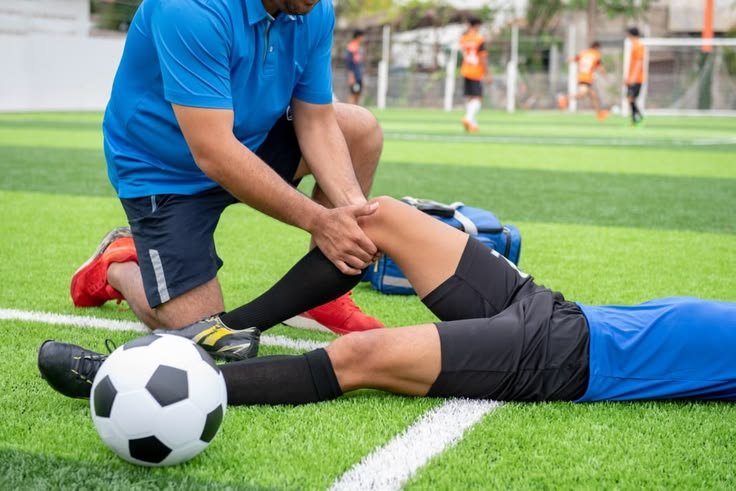
Sports injuries are injuries that occur during sports, exercise, training, physical activity, or recreational activities. These injuries can affect bones, muscles, tendons, ligaments, cartilage, and joints.
Some sports injuries occur suddenly. For example, an athlete may twist the knee while changing direction or injure the ankle while landing after a jump. On the other hand, repetitive movements can gradually cause overuse injuries.
Sports injuries range from minor muscle strains to serious ligament tears, joint injuries, and fractures. Therefore, the appropriate treatment depends on the type, location, and severity of the injury.
Furthermore, continuing intense physical activity despite significant pain can worsen certain injuries. Consequently, athletes should take persistent symptoms seriously and seek professional evaluation when necessary.
Common Sports Injuries
Athletes can experience injuries in almost any part of the body. However, the knees, ankles, shoulders, elbows, wrists, hips, and muscles commonly experience sports-related problems.
Common sports injuries include sprains, muscle strains, ligament injuries, tendon injuries, meniscus injuries, ACL injuries, shoulder injuries, dislocations, fractures, stress fractures, cartilage injuries, and overuse injuries.
Moreover, different sports create different injury risks. Running can place repetitive stress on the knees and ankles. Similarly, football, cricket, basketball, volleyball, and other sports can involve sudden movements, falls, collisions, and changes in direction.
Therefore, athletes should not ignore persistent pain, swelling, instability, or reduced movement.
Causes of Sports Injuries
Sports injuries can develop because of several physical and environmental factors.
Sudden movements, falls, collisions, incorrect landing, direct impact, repetitive activity, and excessive training can contribute to injuries. Furthermore, inadequate warm-up, poor flexibility, muscle weakness, inappropriate footwear, and incorrect exercise techniques can increase injury risk.
Overtraining can also prevent the body from recovering properly between sessions. Consequently, athletes should maintain a healthy balance between training and recovery.
Previous injuries can create another risk. If an athlete returns to sports before completely restoring strength and mobility, the same injury may recur.
Therefore, proper training, adequate recovery, appropriate equipment, and professional rehabilitation can support safer participation in sports
Symptoms of Sports Injuries
Sports injury symptoms vary according to the affected body part and severity of the injury.
Common symptoms include pain, swelling, bruising, stiffness, tenderness, weakness, reduced range of motion, instability, difficulty walking, and difficulty using the affected joint.
Some injuries cause immediate pain. However, overuse injuries may develop gradually. Initially, an athlete may experience discomfort only during training. Later, the pain may continue even after physical activity.
You should consider an orthopedic consultation if pain continues despite rest, swelling does not improve, movement becomes restricted, the joint feels unstable, or you cannot return to your normal activities.
Moreover, severe pain, significant deformity, inability to bear weight, or a suspected fracture requires prompt medical attention.
When Should You See an Orthopedic Specialist?
Not every muscle ache requires medical treatment. However, persistent or severe symptoms deserve professional attention.
You should consult an orthopedic specialist after a sports injury if you experience severe pain, significant swelling, joint instability, restricted movement, or difficulty putting weight on the affected limb.
Furthermore, seek medical evaluation if you hear or feel a popping sensation during an injury, particularly when swelling develops quickly afterward.
Recurring injuries also require attention. If the same knee, ankle, shoulder, or other joint repeatedly becomes painful during sports, an underlying weakness or structural problem may require evaluation.
Therefore, early Sports Injury Treatment in Chandrapur can help athletes understand the injury and choose an appropriate recovery strategy.
Diagnosis of Sports Injuries
Accurate diagnosis represents an important part of effective sports injury treatment.
First, the orthopedic specialist reviews the injury history and symptoms. Then, the doctor examines the affected area and evaluates swelling, tenderness, joint movement, muscle strength, stability, and functional limitations.
Depending on the suspected injury, the doctor may recommend diagnostic imaging.
X-rays can help identify fractures and certain bone abnormalities. However, doctors may recommend MRI or other investigations when they need to evaluate ligaments, tendons, cartilage, muscles, or complex joint injuries.
Therefore, the doctor selects diagnostic tests according to the patient’s symptoms and clinical findings.
An accurate diagnosis allows the treatment team to develop a more appropriate rehabilitation or surgical plan.
Non-Surgical Sports Injury Treatment
Many sports injuries improve with appropriate non-surgical treatment.
Depending on the injury, the orthopedic specialist may recommend activity modification, medication, physiotherapy, exercises, bracing, or gradual return to physical activity.
However, patients should not remain completely inactive for longer than necessary unless their doctor recommends it. Instead, appropriate rehabilitation can help maintain mobility and gradually rebuild strength.
Furthermore, physiotherapy can address muscle weakness, stiffness, reduced flexibility, poor balance, and movement problems.
Therefore, a personalized non-surgical treatment plan can help many athletes recover without immediate surgery.
Physiotherapy for Sports Injuries
Physiotherapy plays an important role in sports injury recovery.
After evaluating the patient’s condition, a physiotherapist develops exercises and rehabilitation techniques according to the injury, physical condition, and recovery goals.
Treatment may include mobility exercises, stretching, strengthening exercises, balance training, gait training, coordination exercises, flexibility work, and sport-specific rehabilitation.
Furthermore, physiotherapy can help restore strength after immobilization or reduced activity.
At Dr. Chepurwar Orthopedic & Physiotherapy Center, rehabilitation services can support patients recovering from orthopedic injuries and other musculoskeletal problems.
Consequently, combining orthopedic care with appropriate physiotherapy can provide a comprehensive approach to sports injury recovery.
Knee Sports Injury Treatment in Chandrapur
The knee performs essential movements such as running, jumping, turning, and landing. Therefore, knee injuries can significantly affect athletic performance.
Common knee sports injuries include ACL injuries, meniscus injuries, ligament sprains, cartilage injuries, patellar problems, and muscle or tendon injuries.
Some knee injuries respond well to physiotherapy, strengthening exercises, and activity modification. However, certain serious ligament injuries, fractures, and structural problems may require surgical treatment.
Therefore, athletes with persistent knee pain, swelling, locking, instability, or difficulty returning to sports should consult an orthopedic specialist.
Early diagnosis can help determine whether the athlete needs conservative treatment, rehabilitation, or surgical intervention.
Shoulder Sports Injury Treatment in Chandrapur
Shoulder injuries frequently affect athletes involved in cricket, swimming, tennis, badminton, throwing sports, weightlifting, and contact sports.
Repeated overhead movements can place stress on shoulder muscles, tendons, and joint structures. Consequently, athletes may develop pain, weakness, instability, or restricted movement.
Sports-related shoulder problems can include rotator cuff injuries, shoulder instability, dislocations, tendon problems, and other joint conditions.
Depending on the injury, treatment may include activity modification, medication, physiotherapy, strengthening exercises, or surgery.
Therefore, athletes should not repeatedly perform movements that cause significant shoulder pain without professional evaluation.
Ankle and Foot Sports Injury Treatment
The ankle and foot absorb considerable force during running, jumping, landing, and rapid changes in direction.
Ankle sprains represent common sports injuries. Furthermore, repeated ankle injuries can sometimes contribute to instability and recurrent pain.
Athletes can also experience stress fractures, tendon injuries, ligament injuries, and other foot and ankle problems.
Treatment depends on the exact diagnosis. Some injuries improve with immobilization, activity modification, strengthening, and physiotherapy. However, severe injuries may require orthopedic intervention or surgery.
Therefore, athletes should complete appropriate rehabilitation before returning to high-intensity sports.
Fracture and Sports Trauma Treatment
Sports accidents can sometimes cause fractures and significant trauma.
A fracture can occur because of a fall, collision, direct impact, or high-force movement. Depending on the injury, the bone may remain aligned or become displaced.
Stable fractures may respond to immobilization. However, displaced, unstable, open, or complex fractures may require surgical fixation.
Shri Sai Gajanan Hospital provides orthopedic trauma and fracture management along with rehabilitation services.
Furthermore, physiotherapy can help patients gradually restore movement, strength, balance, and functional ability after fracture treatment.
Therefore, athletes should receive professional orthopedic care before returning to sports after a significant fracture.
Why Choose Shri Sai Gajanan Hospital for Sports Injury Treatment in Chandrapur?
Shri Sai Gajanan Hospital | Dr. Chepurwar Orthopedic & Physiotherapy Center provides comprehensive orthopedic and rehabilitation care for sports injuries, fractures, trauma, joint problems, and other musculoskeletal conditions.
Dr. Sameer Chepurwar provides orthopedic care, including fracture management, trauma care, joint replacement, arthroscopic procedures, and sports injury treatment. Moreover, Dr. Shweta Chepurwar provides physiotherapy and rehabilitation services.
The center combines orthopedic evaluation with rehabilitation support. Consequently, patients can receive care throughout different stages of recovery.
Furthermore, treatment focuses on the individual’s injury, symptoms, functional limitations, and recovery requirements rather than following a single approach for every patient.
Therefore, patients searching for Sports Injury Treatment in Chandrapur can seek professional orthopedic assessment and physiotherapy support at the center.
How to Prevent Sports Injuries
Although athletes cannot prevent every injury, they can take several steps to reduce their risk.
A proper warm-up prepares the muscles and joints for physical activity. Similarly, strength training and flexibility exercises can support physical performance.
Athletes should also use suitable footwear and protective equipment for their sport.
Furthermore, increasing training intensity gradually allows the body to adapt. Adequate sleep and recovery time can also support physical recovery.
Most importantly, athletes should not repeatedly train through significant pain.
Therefore, appropriate preparation, technique, equipment, recovery, and professional guidance can contribute to safer sports participation.
Book Sports Injury Treatment in Chandrapur
If you need Sports Injury Treatment in Chandrapur, Shri Sai Gajanan Hospital | Dr. Chepurwar Orthopedic & Physiotherapy Center provides orthopedic consultation, sports injury management, fracture treatment, trauma care, physiotherapy, and rehabilitation.
Whether you have a knee injury, ankle sprain, shoulder injury, ligament problem, muscle strain, fracture, or recurring sports pain, timely evaluation can help identify the underlying problem.
Moreover, rehabilitation can help restore strength, mobility, flexibility, balance, and functional performance.
Therefore, do not ignore persistent sports-related pain or instability. Consult an orthopedic specialist and physiotherapist for an appropriate treatment and rehabilitation plan.
Frequently Asked Questions About Sports Injury Treatment in Chandrapur
What is the best treatment for a sports injury?
The appropriate treatment depends on the type and severity of the injury. Depending on the condition, treatment may include activity modification, medication, physiotherapy, bracing, rehabilitation, or surgery.
When should I see an orthopedic doctor for a sports injury?
You should consult an orthopedic doctor when pain persists, swelling increases, movement becomes difficult, you experience instability, or you cannot return to normal activities.
Can physiotherapy treat sports injuries?
Yes. Appropriate physiotherapy can help improve mobility, flexibility, strength, balance, coordination, and functional movement during recovery.
What are the most common sports injuries?
Common sports injuries include sprains, muscle strains, ligament injuries, tendon injuries, fractures, dislocations, meniscus injuries, cartilage injuries, and overuse injuries.
Can sports injuries heal without surgery?
Yes. Many sports injuries improve with appropriate non-surgical treatment and rehabilitation. However, certain severe ligament injuries, fractures, and structural problems may require surgery.
How long does it take to recover from a sports injury?
Recovery time varies according to the type and severity of the injury, the affected tissue, treatment approach, rehabilitation, and individual healing process.
Can I play sports while I have an injury?
Continuing intense activity despite significant pain can worsen certain injuries. Therefore, consult an orthopedic specialist or physiotherapist before returning to sports.
Do sports injuries always require an MRI?
No. The doctor determines whether imaging is necessary based on the symptoms and physical examination. X-rays, MRI, CT scans, or other investigations may be recommended when clinically appropriate.
When does a sports injury require surgery?
Some severe ligament injuries, unstable fractures, significant cartilage injuries, recurrent instability, and injuries that do not respond adequately to conservative treatment may require surgery.
Conclusion
Sports injuries can affect mobility, fitness, athletic performance, and everyday activities. Therefore, timely diagnosis and appropriate treatment can make an important difference in recovery. Whether you experience a knee injury, ankle sprain, shoulder problem, ligament injury, muscle strain, fracture, or recurring sports pain, professional orthopedic evaluation can help identify the underlying problem.
If you are looking for Sports Injury Treatment in Chandrapur, Shri Sai Gajanan Hospital | Dr. Chepurwar Orthopedic & Physiotherapy Center provides orthopedic care along with physiotherapy and rehabilitation. Moreover, the treatment approach can address the injury while supporting the gradual restoration of strength, flexibility, mobility, balance, and functional performance.