Dr. Sameer Chepurwar | Orthopedic & Joint Replacement Surgeon In Chandrapur
Advanced Spine Care & Spine Surgery by Dr. Sameer Chepurwar at Shri Sai Gajanan Hospital
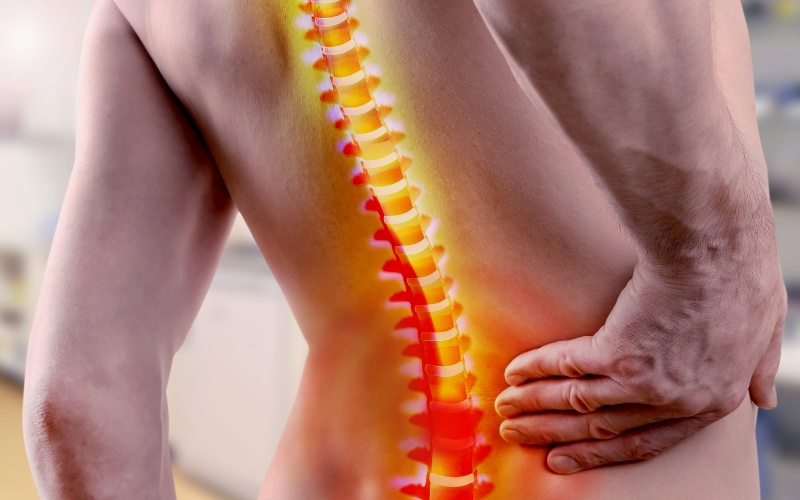
What is Spine Care?
Conditions Treated
Dr. Sameer Chepurwar provides expert treatment for a wide range of spinal disorders, including:
- Chronic Back Pain
- Neck Pain
- Slipped Disc (Herniated Disc)
- Sciatica
- Cervical Spondylosis
- Lumbar Spondylosis
- Spinal Stenosis
- Degenerative Disc Disease
- Scoliosis
- Kyphosis
- Spine Fractures
- Osteoporotic Compression Fractures
- Spinal Trauma
- Spinal Infections
- Spinal Tumors (Evaluation and Referral When Required)
- Sacroiliac Joint Pain
- Nerve Compression
- Disc Prolapse
Each patient receives an individualized treatment plan based on symptoms, imaging findings, and lifestyle needs.
Symptoms That May Require Spine Care
You should consult a spine specialist if you experience:
- Persistent back pain
- Chronic neck pain
- Pain radiating to the arms or legs
- Numbness or tingling
- Muscle weakness
- Difficulty walking
- Loss of balance
- Difficulty standing for long periods
- Reduced flexibility
- Pain while bending
- Stiffness in the neck or back
- Loss of bladder or bowel control (medical emergency)
- Difficulty performing daily activities
Ignoring these symptoms may lead to worsening nerve damage and reduced mobility.
Causes of Spine Disorders
everal factors contribute to spinal problems.
Common causes include:
- Age-related wear and tear
- Poor posture
- Heavy lifting
- Sports injuries
- Road traffic accidents
- Obesity
- Osteoporosis
- Sedentary lifestyle
- Repetitive strain
- Congenital spinal deformities
- Infections
- Tumors
Maintaining spinal health helps reduce the risk of many of these conditions.
Diagnosis of Spine Disorders
Dr. Sameer Chepurwar performs a thorough evaluation before recommending treatment.
Diagnostic investigations may include:
- Detailed medical history
- Physical examination
- Neurological assessment
- Digital X-rays
- MRI Scan
- CT Scan
- Bone Density Test
- Blood investigations
- Nerve Conduction Studies (when indicated)
Accurate diagnosis ensures the most appropriate treatment plan.
Non-Surgical Spine Care
Many spinal conditions improve without surgery.
Medications
Treatment may include:
- Pain-relieving medications
- Anti-inflammatory medicines
- Muscle relaxants
- Neuropathic pain medications
Physiotherapy
A personalized rehabilitation program helps:
- Strengthen back muscles
- Improve flexibility
- Reduce pain
- Improve posture
- Increase mobility
- Prevent future injuries
Lifestyle Modifications
Patients are advised to:
- Maintain a healthy body weight.
- Exercise regularly.
- Improve posture.
- Avoid prolonged sitting.
- Lift heavy objects correctly.
- Sleep on a supportive mattress.
Spine Injections
Selected patients may benefit from image-guided spinal injections to reduce inflammation and relieve pain.
Spine Surgery Options
When conservative treatment fails or neurological symptoms worsen, surgery may be recommended.
Dr. Sameer Chepurwar performs advanced spinal procedures, including:
Microdiscectomy
Removal of the herniated portion of a disc compressing a nerve.
Laminectomy
Removal of part of the vertebral bone to relieve pressure on the spinal cord or nerves.
Spinal Decompression Surgery
Treatment for spinal stenosis and severe nerve compression.
Spinal Fusion
Joining two or more vertebrae to stabilize the spine.
Fracture Stabilization Surgery
Advanced fixation techniques for traumatic spinal fractures.
Minimally Invasive Spine Surgery (MISS)
Smaller incisions, less tissue damage, reduced pain, and quicker recovery compared to conventional open surgery.
Benefits of Early Spine Treatment
Early intervention provides several advantages.
These include:
- Reduced pain
- Better mobility
- Prevention of nerve damage
- Improved posture
- Faster recovery
- Better spinal stability
- Reduced risk of permanent disability
- Improved quality of life
Consequently, patients can return to work and daily activities sooner.
Recovery After Spine Surgery
Recovery depends on the type of surgery and the patient’s overall health.
Patients are encouraged to:
- Walk as advised after surgery.
- Attend physiotherapy sessions.
- Perform prescribed exercises.
- Avoid heavy lifting initially.
- Maintain proper posture.
- Follow medication instructions.
- Attend regular follow-up appointments.
- Gradually resume normal activities.
Following the rehabilitation plan supports optimal healing and long-term spinal health.
Possible Complications if Left Untreated
Untreated spine disorders may lead to:
- Chronic pain
- Permanent nerve damage
- Muscle weakness
- Loss of sensation
- Difficulty walking
- Progressive spinal deformity
- Reduced mobility
- Bladder or bowel dysfunction
- Decreased quality of life
Timely diagnosis and treatment help prevent these complications.
Tips to Keep Your Spine Healthy
Healthy habits help maintain a strong spine.
- Maintain proper posture while sitting and standing.
- Exercise regularly.
- Strengthen your core muscles.
- Lift heavy objects correctly.
- Maintain a healthy body weight.
- Avoid smoking.
- Stretch regularly.
- Sleep on a supportive mattress.
- Take breaks during prolonged sitting.
- Seek medical advice for persistent back or neck pain.