Dr. Sameer Chepurwar | Orthopedic & Joint Replacement Surgeon In Chandrapur

Advanced Shoulder Replacement Surgery by Dr. Sameer Chepurwar at Shri Sai Gajanan Hospital
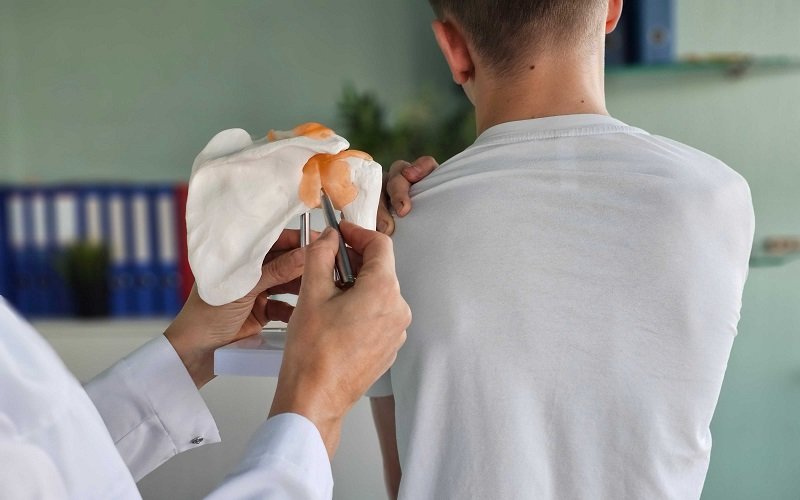
What is Shoulder Replacement Surgery?
Who Needs Shoulder Replacement Surgery?
Dr. Sameer Chepurwar may recommend shoulder replacement surgery for patients experiencing:
- Severe shoulder arthritis
- Osteoarthritis
- Rheumatoid arthritis
- Rotator cuff arthropathy
- Complex shoulder fractures
- Shoulder joint degeneration
- Avascular necrosis of the shoulder
- Failed previous shoulder surgery
- Persistent shoulder pain affecting daily activities
- Limited shoulder movement despite conservative treatment
Early consultation helps determine the most appropriate treatment before permanent joint damage occurs.
Symptoms That May Indicate Shoulder Replacement
Patients may experience:
- Persistent shoulder pain
- Pain during movement
- Night pain affecting sleep
- Difficulty lifting the arm
- Shoulder stiffness
- Clicking or grinding sounds
- Weakness in the shoulder
- Reduced range of motion
- Difficulty combing hair or dressing
- Inability to perform overhead activities
If these symptoms continue despite medications, physiotherapy, or injections, shoulder replacement surgery may be the best option.
Causes of Shoulder Joint Damage
Several conditions can damage the shoulder joint.
Common causes include:
- Osteoarthritis
- Rheumatoid arthritis
- Post-traumatic arthritis
- Severe shoulder fractures
- Rotator cuff tear arthropathy
- Avascular necrosis
- Recurrent shoulder dislocation
- Sports injuries
- Age-related joint degeneration
- Previous shoulder injuries
Accurate diagnosis is essential before planning surgery.
Types of Shoulder Replacement Surgery
Dr. Sameer Chepurwar performs different shoulder replacement procedures based on the patient’s condition.
➤ Total Shoulder Replacement
Both the ball and socket of the shoulder joint are replaced with artificial implants.
➤ Reverse Shoulder Replacement
The positions of the ball and socket are reversed. This procedure is ideal for patients with severe rotator cuff damage and complex arthritis.
➤ Partial Shoulder Replacement (Hemiarthroplasty)
Only the damaged ball portion of the shoulder joint is replaced while preserving the natural socket.
➤ Revision Shoulder Replacement
Replacement of worn or failed shoulder implants to restore joint function.
Diagnosis Before Shoulder Replacement
A comprehensive evaluation helps determine the most suitable treatment.
Investigations may include:
- Detailed medical history
- Physical examination
- Digital X-rays
- MRI Scan
- CT Scan
- Blood investigations
- Bone quality assessment
- Cardiac fitness evaluation
- Pre-anesthetic assessment
These investigations help ensure safe surgery and optimal implant selection.
Shoulder Replacement Procedure
The surgery is performed under anesthesia.
During the procedure:
- Damaged cartilage and bone are removed.
- The artificial implant is positioned accurately.
- The joint alignment is restored.
- Soft tissues are repaired when required.
- The incision is closed carefully.
Modern surgical techniques improve implant stability and reduce postoperative discomfort.
Benefits of Shoulder Replacement Surgery
Shoulder replacement surgery offers numerous advantages.
These include:
- Significant pain relief
- Improved shoulder movement
- Better arm strength
- Enhanced joint stability
- Improved quality of life
- Better sleep
- Easier daily activities
- Long-lasting implant performance
- Faster return to routine activities
Consequently, most patients experience remarkable improvement after rehabilitation.
Recovery After Shoulder Replacement
Recovery is gradual and depends on patient participation in rehabilitation.
Patients are generally advised to:
- Wear a shoulder sling as instructed.
- Begin physiotherapy under supervision.
- Perform prescribed shoulder exercises.
- Avoid lifting heavy objects initially.
- Attend regular follow-up visits.
- Take medications as prescribed.
- Maintain good nutrition.
- Gradually resume daily activities.
Most patients regain significant shoulder function within several months.
Rehabilitation After Surgery
Rehabilitation plays a crucial role in recovery.
Physiotherapy focuses on:
- Pain management
- Gentle range-of-motion exercises
- Muscle strengthening
- Flexibility improvement
- Functional training
- Return to work and sports when appropriate
Following the rehabilitation program improves long-term results.
Possible Complications
Although shoulder replacement surgery is generally safe, potential risks include:
- Infection
- Bleeding
- Implant loosening
- Shoulder stiffness
- Nerve injury
- Blood clots
- Joint dislocation
- Implant wear over time
Dr. Sameer Chepurwar follows strict surgical protocols to minimize these risks.
Tips to Maintain Healthy Shoulders
Healthy habits help protect your shoulder joints.
- Exercise regularly.
- Strengthen shoulder muscles.
- Maintain proper posture.
- Avoid repetitive overuse.
- Lift heavy objects correctly.
- Treat shoulder injuries promptly.
- Maintain a healthy body weight.
- Follow physiotherapy recommendations.
- Schedule orthopedic evaluations for persistent pain.