Dr. Sameer Chepurwar | Orthopedic & Joint Replacement Surgeon In Chandrapur
Advanced Minimally Invasive Shoulder Arthroscopy by Dr. Sameer Chepurwar at Shri Sai Gajanan Hospital
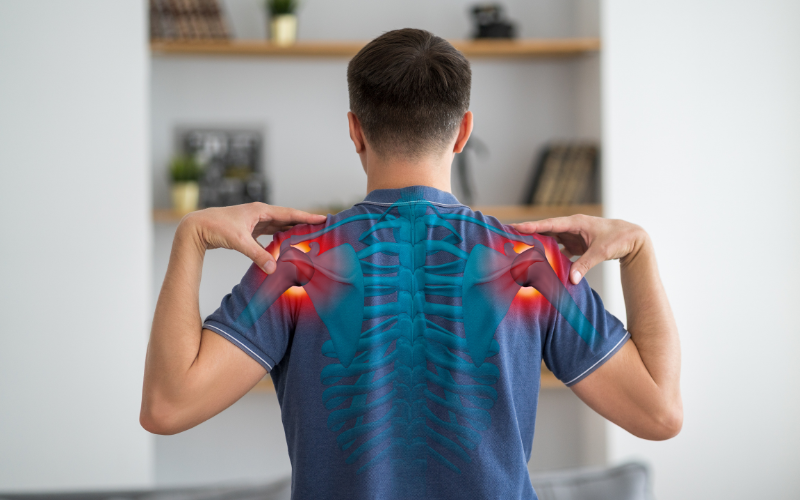
What is Shoulder Arthroscopy?
Conditions Treated with Shoulder Arthroscopy
Dr. Sameer Chepurwar specializes in arthroscopic treatment for various shoulder conditions, including:
- Rotator Cuff Tear
- Shoulder Impingement Syndrome
- Frozen Shoulder (Selected Cases)
- Shoulder Instability
- Recurrent Shoulder Dislocation
- SLAP Tear (Superior Labrum Tear)
- Labral Tears
- Bankart Lesion
- Biceps Tendon Injuries
- Shoulder Bursitis
- Shoulder Synovitis
- Cartilage Damage
- Loose Bodies in the Shoulder Joint
- AC Joint Disorders
- Sports-Related Shoulder Injuries
Every patient receives an individualized treatment plan based on the severity of the injury, age, activity level, and lifestyle.
Symptoms That May Need Shoulder Arthroscopy
You should consult an orthopedic shoulder specialist if you experience:
- Persistent shoulder pain
- Difficulty lifting the arm
- Shoulder weakness
- Recurrent shoulder dislocation
- Clicking or popping sounds
- Reduced range of motion
- Night pain while sleeping
- Pain during sports activities
- Shoulder stiffness
- Swelling around the shoulder
- Difficulty performing overhead activities
- Shoulder instability
Ignoring these symptoms may worsen the condition and increase the risk of permanent joint damage.
Causes of Shoulder Injuries
Several factors can lead to shoulder disorders requiring arthroscopy.
Common causes include:
- Sports injuries
- Falls
- Road traffic accidents
- Heavy lifting
- Repetitive overhead movements
- Age-related tendon degeneration
- Occupational strain
- Shoulder instability
- Previous shoulder injuries
Early medical evaluation helps prevent further damage and improves treatment outcomes.
Diagnosis Before Shoulder Arthroscopy
Dr. Sameer Chepurwar performs a comprehensive evaluation before recommending surgery.
Diagnostic investigations may include:
- Detailed medical history
- Physical examination
- Shoulder movement assessment
- X-rays
- MRI Scan
- Ultrasound Scan
- CT Scan (when required)
- Blood investigations before surgery
These tests help determine the exact cause of shoulder pain and identify the most suitable treatment option.
Shoulder Arthroscopy Procedures Performed
Depending on the diagnosis, Dr. Sameer Chepurwar performs advanced arthroscopic procedures such as:
- Arthroscopic Rotator Cuff Repair : Repair of torn shoulder tendons to restore strength, stability, and movement.
- Arthroscopic Bankart Repair : Treatment for recurrent shoulder dislocation caused by labral injuries.
- SLAP Tear Repair : Repair of superior labral tears commonly seen in athletes and overhead workers.
- Shoulder Decompression Surgery : Removal of inflamed tissues and bone spurs causing shoulder impingement.
- Arthroscopic Capsular Release : Treatment for selected patients with severe frozen shoulder who do not improve with conservative care.
- Arthroscopic Biceps Tendon Surgery : Repair or stabilization of damaged biceps tendons causing shoulder pain.
- Loose Body Removal : Removal of cartilage fragments or loose bodies causing locking and pain inside the shoulder joint.
Benefits of Shoulder Arthroscopy
Compared with traditional open surgery, arthroscopic shoulder surgery offers several advantages.
These include:
- Tiny surgical incisions
- Less postoperative pain
- Minimal blood loss
- Lower infection risk
- Faster recovery
- Shorter hospital stay
- Better cosmetic results
- Earlier return to work
- Quicker return to sports
- Improved shoulder function
Therefore, shoulder arthroscopy has become the preferred treatment for many shoulder disorders.
Recovery After Shoulder Arthroscopy
Recovery depends on the type of procedure performed and the severity of the injury.
Most patients follow a structured rehabilitation program that includes:
- Wearing a shoulder sling as advised
- Pain management
- Gradual shoulder exercises
- Supervised physiotherapy
- Strengthening exercises
- Regular follow-up visits
Most patients return to office work within a few weeks, while athletes may require several months of rehabilitation before returning to competitive sports.
Physiotherapy After Shoulder Arthroscopy
Physiotherapy is essential for achieving the best surgical outcome.
A rehabilitation program focuses on:
- Restoring shoulder mobility
- Improving flexibility
- Increasing muscle strength
- Enhancing shoulder stability
- Preventing stiffness
- Returning safely to sports and daily activities
Following the rehabilitation schedule significantly improves long-term results.
Tips to Keep Your Shoulders Healthy
Maintaining shoulder health can reduce the risk of future injuries.
- Warm up before sports or exercise.
- Strengthen shoulder and upper back muscles.
- Maintain proper posture.
- Avoid repetitive overhead strain.
- Lift heavy objects correctly.
- Stretch regularly.
- Treat shoulder pain early.
- Follow rehabilitation exercises after an injury.
- Maintain a healthy body weight.
These habits help protect shoulder function and support long-term joint health.