Dr. Sameer Chepurwar | Orthopedic & Joint Replacement Surgeon In Chandrapur
Orthopedic Physiotherapy in Chandrapur – Dr. Sameer Chepurwar
If you are searching for Orthopedic Physiotherapy in Chandrapur, Shri Sai Gajanan Hospital | Dr. Chepurwar Orthopedic & Physiotherapy Center provides personalized rehabilitation for orthopedic conditions, joint pain, fractures, sports injuries, muscle weakness, stiffness, and recovery after orthopedic surgery. Under the care of Dr. Shweta Chepurwar, BPTH, Consultant Physiotherapist, patients receive individualized physiotherapy based on their condition, physical abilities, mobility requirements, and recovery goals. The center also provides orthopedic care under the guidance of Dr. Sameer Chepurwar, allowing patients to access orthopedic evaluation and rehabilitation within the same healthcare setting.
Orthopedic problems can affect your ability to walk, work, exercise, climb stairs, lift objects, or perform everyday activities. Furthermore, injuries, fractures, arthritis, joint problems, muscle weakness, and orthopedic surgeries can reduce mobility and physical strength. Therefore, timely Orthopedic Physiotherapy in Chandrapur can help patients work toward improved movement, strength, flexibility, balance, and functional independence.
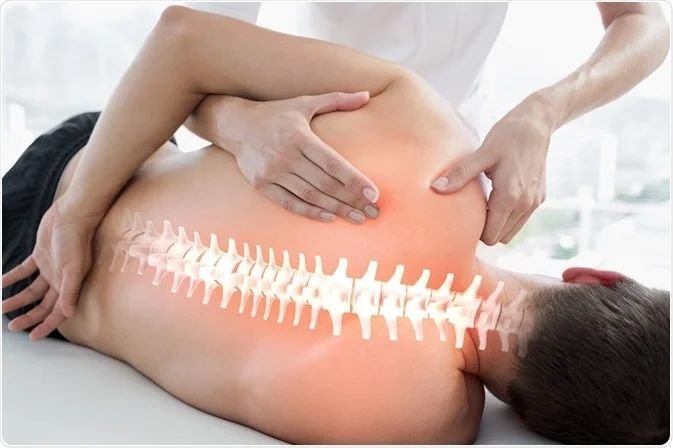
What Is Orthopedic Physiotherapy?
Orthopedic physiotherapy focuses on the assessment and rehabilitation of conditions affecting the bones, joints, muscles, ligaments, tendons, and other parts of the musculoskeletal system.
People may require orthopedic physiotherapy after fractures, sports injuries, joint injuries, orthopedic surgery, muscle injuries, ligament problems, or prolonged periods of reduced mobility.
A physiotherapist evaluates movement, muscle strength, joint mobility, balance, flexibility, posture, and functional limitations. Based on these findings, the physiotherapist develops an appropriate rehabilitation plan.
Furthermore, treatment can change as the patient’s condition improves. Therefore, orthopedic physiotherapy can support different stages of recovery, from early mobility to strengthening and functional rehabilitation.
Who Can Benefit From Orthopedic Physiotherapy?
Orthopedic physiotherapy can benefit people of different ages with a wide range of musculoskeletal conditions.
Patients recovering from fractures may require rehabilitation to overcome stiffness and muscle weakness. Similarly, people recovering from joint replacement may need physiotherapy to regain movement and walking ability.
Athletes can also benefit from rehabilitation after ligament injuries, muscle strains, joint injuries, and other sports-related problems.
Furthermore, older adults may require physiotherapy to improve strength, balance, walking ability, and independence.
Therefore, orthopedic physiotherapy can support patients recovering from injuries, managing chronic musculoskeletal problems, or rebuilding physical function after surgery.
Orthopedic Physiotherapy Services in Chandrapur
Shri Sai Gajanan Hospital provides orthopedic rehabilitation as part of its physiotherapy and rehabilitation services. The hospital lists rehabilitation for orthopedic injuries, fractures, joint replacement, sports injuries, and musculoskeletal conditions among its services.
Depending on the patient’s condition, rehabilitation may focus on pain management, joint mobility, muscle strengthening, balance, gait, flexibility, functional movement, and recovery after orthopedic procedures.
Moreover, patients may receive guidance for appropriate exercises to continue at home.
Consequently, structured rehabilitation can help patients gradually improve their physical abilities while avoiding unnecessary stress on recovering tissues.
Physiotherapy for Joint Pain
Joint pain can affect the knees, hips, shoulders, elbows, wrists, and ankles.
Arthritis, injuries, muscle weakness, stiffness, cartilage problems, and other orthopedic conditions can contribute to joint pain.
Physiotherapy can focus on improving joint movement and strengthening the muscles surrounding the affected area. Furthermore, appropriate exercises can improve functional movement and support everyday activities.
However, persistent or severe joint pain may require orthopedic evaluation to identify the underlying cause.
Therefore, combining orthopedic assessment with physiotherapy can provide a more comprehensive approach when both diagnosis and rehabilitation are necessary.
Orthopedic Physiotherapy for Knee Pain
Knee pain can make walking, climbing stairs, squatting, standing, and exercising difficult.
Common causes include arthritis, sports injuries, ligament problems, meniscus injuries, muscle weakness, overuse, and post-surgical conditions.
Orthopedic physiotherapy can focus on strengthening the muscles around the knee, improving flexibility, restoring joint movement, and developing better functional control.
For example, a patient recovering from knee surgery may initially perform gentle mobility exercises. Later, the rehabilitation program can progress toward strengthening, balance, walking, and functional activities.
Therefore, an individualized physiotherapy program can help patients gradually work toward improved knee function.
Physiotherapy After Knee Replacement
Knee replacement surgery can improve mobility and reduce pain in patients with severe knee joint problems. However, rehabilitation remains an important part of recovery.
After surgery, patients may experience stiffness, muscle weakness, swelling, and difficulty walking.
A structured rehabilitation program can gradually focus on knee movement, muscle strengthening, balance, walking, and everyday functional activities.
Furthermore, the physiotherapist can modify exercises according to the patient’s progress and medical instructions.
Therefore, post-operative orthopedic physiotherapy can support patients as they work toward greater mobility and independence after knee replacement.
Orthopedic Physiotherapy After Fracture
A fracture can significantly reduce movement and physical strength. Moreover, immobilization during fracture treatment can contribute to joint stiffness and muscle weakness.
Once the orthopedic specialist confirms that rehabilitation is appropriate, physiotherapy can help restore movement and physical function.
Depending on the fracture, treatment may include joint mobility exercises, strengthening, balance training, walking exercises, flexibility work, and functional rehabilitation.
Furthermore, the physiotherapist can gradually increase exercise intensity according to the patient’s recovery.
Therefore, orthopedic physiotherapy can play an important role after fracture treatment.
Sports Injury Rehabilitation in Chandrapur
Sports injuries can affect professional athletes, recreational players, runners, gym users, and fitness enthusiasts.
Common problems include ligament injuries, muscle strains, ankle sprains, knee injuries, tendon problems, and sports-related fractures.
Dr. Shweta Chepurwar provides rehabilitation for sports injuries as part of her physiotherapy practice. The hospital also lists sports injury rehabilitation among its orthopedic rehabilitation services.
Sports rehabilitation focuses on restoring strength, flexibility, balance, coordination, mobility, and sport-specific function.
Furthermore, athletes should return to sports gradually instead of immediately resuming high-intensity activity.
Consequently, structured rehabilitation can help athletes work toward improved physical performance and a safer return to activity.
Physiotherapy for Shoulder Problems
Shoulder pain and stiffness can interfere with reaching, lifting, dressing, working, and exercising.
Shoulder injuries, rotator cuff problems, frozen shoulder, sports injuries, joint conditions, and post-surgical recovery can affect shoulder movement.
Orthopedic physiotherapy can focus on improving shoulder mobility, flexibility, muscle strength, coordination, and functional movement.
However, exercises should match the underlying condition. Therefore, patients should receive an appropriate assessment before beginning an intensive rehabilitation program.
Furthermore, gradual strengthening can help restore functional shoulder movement as recovery progresses.
Post-Surgical Orthopedic Physiotherapy
Orthopedic surgery can address structural problems, but rehabilitation often remains an important part of recovery.
Patients may require physiotherapy after joint replacement, fracture surgery, ligament procedures, shoulder procedures, and other orthopedic operations.
The hospital provides post-surgical rehabilitation focused on restoring movement, strength, mobility, function, and independence.
Furthermore, the rehabilitation program can progress gradually according to the patient’s medical condition and surgical instructions.
Therefore, appropriate post-surgical physiotherapy can help patients work toward returning to daily activities.
Physiotherapy for Muscle Weakness and Stiffness
Muscle weakness and stiffness can develop after injury, surgery, prolonged immobilization, or reduced physical activity.
These problems can make everyday movements more difficult. For example, patients may struggle to climb stairs, walk longer distances, stand from a chair, or perform household activities.
Orthopedic physiotherapy can include progressive strengthening, flexibility exercises, mobility training, balance exercises, and functional activities.
Furthermore, the physiotherapist can adjust exercise intensity as the patient’s strength improves.
Consequently, rehabilitation can help patients gradually rebuild physical capacity and confidence.
Gait and Balance Rehabilitation
Walking and balance problems can occur after fractures, joint replacement, injuries, neurological conditions, prolonged immobilization, or muscle weakness.
Gait rehabilitation focuses on improving walking patterns and functional mobility. Similarly, balance training can help patients develop better control during standing and movement.
The hospital lists balance and gait training among its rehabilitation services.
Depending on the patient’s condition, rehabilitation may include walking practice, balance exercises, strengthening, coordination training, and functional activities.
Therefore, gait and balance rehabilitation can support safer and more confident movement.
Neuro Rehabilitation and Orthopedic Recovery
Some patients experience both orthopedic and neurological movement difficulties.
Neurological conditions can affect muscle strength, balance, coordination, mobility, and independence. Therefore, rehabilitation may require a structured approach based on the patient’s functional limitations.
The hospital provides neuro rehabilitation focused on movement, balance, coordination, strength, and daily independence.
Consequently, patients can receive rehabilitation that addresses their specific functional requirements.
Benefits of Orthopedic Physiotherapy
Appropriate orthopedic physiotherapy can provide several potential benefits during recovery.
It may help improve:
- Joint mobility
- Muscle strength
- Flexibility
- Balance
- Coordination
- Walking ability
- Functional movement
- Physical confidence
- Independence
- Ability to perform daily activities
Furthermore, structured rehabilitation can help patients progress from basic movements toward more demanding functional activities.
However, results vary according to the underlying condition, severity, treatment plan, consistency, and individual healing process.
Therefore, patients should follow their physiotherapist’s recommendations and attend follow-up sessions as advised.
Why Choose Dr. Shweta Chepurwar for Orthopedic Physiotherapy in Chandrapur?
Dr. Shweta Chepurwar is listed by Shri Sai Gajanan Hospital as a BPTH Consultant Physiotherapist with more than 15 years of experience. Her areas of rehabilitation include sports injuries, orthopedic conditions, paralysis rehabilitation, pediatric cases, and post-surgical recovery.
The hospital also states that its rehabilitation services use personalized treatment plans and modern rehabilitation technologies.
Moreover, the center works alongside orthopedic services led by Dr. Sameer Chepurwar, who provides orthopedic care including fracture management, trauma care, sports injury treatment, arthroscopic procedures, and joint replacement.
Therefore, patients who require both orthopedic assessment and rehabilitation can access coordinated care within the same healthcare center.
How to Choose the Right Orthopedic Physiotherapy Center in Chandrapur
When choosing an orthopedic physiotherapy center, consider the physiotherapist’s qualifications, experience, rehabilitation services, treatment approach, and experience with your specific condition.
Furthermore, patients recovering from complex injuries or orthopedic surgery may benefit from a center that offers both orthopedic evaluation and physiotherapy.
You should also consider whether the rehabilitation program includes appropriate assessment, exercise progression, functional training, and home-care guidance.
Therefore, choosing a physiotherapy center that matches your medical and rehabilitation needs can support a more structured recovery process.
Frequently Asked Questions About Orthopedic Physiotherapy in Chandrapur
What is orthopedic physiotherapy?
Orthopedic physiotherapy focuses on rehabilitation for conditions affecting bones, joints, muscles, ligaments, tendons, and other parts of the musculoskeletal system.
Who needs orthopedic physiotherapy?
People recovering from fractures, joint injuries, sports injuries, orthopedic surgery, joint replacement, muscle injuries, or other musculoskeletal conditions may benefit from orthopedic physiotherapy.
Can orthopedic physiotherapy help with knee pain?
Yes. Depending on the underlying condition, physiotherapy can help improve knee movement, muscle strength, flexibility, balance, and functional ability.
Is physiotherapy required after knee replacement?
Many patients require physiotherapy after knee replacement to restore movement, strength, walking ability, balance, and functional independence. The timing and exercises should follow the surgeon’s recommendations.
Can physiotherapy help after a fracture?
Yes. Once the orthopedic specialist considers rehabilitation appropriate, physiotherapy can help reduce stiffness, restore movement, rebuild muscle strength, and improve functional mobility.
Can orthopedic physiotherapy treat sports injuries?
Yes. Physiotherapy can support recovery from many sports injuries by improving strength, flexibility, mobility, balance, coordination, and sport-specific function.
How long does orthopedic physiotherapy take?
The duration varies according to the patient’s condition, severity, recovery progress, treatment plan, and individual response. Your physiotherapist can recommend an appropriate schedule after assessment.
Can physiotherapy help with back and neck pain?
Depending on the underlying cause, physiotherapy may help improve mobility, flexibility, strength, posture, and functional movement. Persistent or severe pain requires appropriate medical evaluation.
Is orthopedic physiotherapy suitable for older adults?
Yes. Older adults may benefit from rehabilitation focused on strength, balance, walking ability, joint mobility, and functional independence.
Where can I get Orthopedic Physiotherapy in Chandrapur?
You can consult Shri Sai Gajanan Hospital | Dr. Chepurwar Orthopedic & Physiotherapy Center in Chandrapur for orthopedic physiotherapy and rehabilitation. Dr. Shweta Chepurwar provides physiotherapy care, while Dr. Sameer Chepurwar provides orthopedic services.
Book Orthopedic Physiotherapy in Chandrapur
If you are looking for Orthopedic Physiotherapy in Chandrapur, Shri Sai Gajanan Hospital | Dr. Chepurwar Orthopedic & Physiotherapy Center provides personalized orthopedic rehabilitation and physiotherapy services.
Dr. Shweta Chepurwar, BPTH, provides physiotherapy care for orthopedic conditions, sports injuries, post-surgical recovery, pediatric cases, and paralysis rehabilitation.
Whether you need rehabilitation after knee replacement, hip replacement, fracture treatment, sports injury, or another orthopedic condition, a professional assessment can help determine an appropriate rehabilitation plan.
Moreover, the center provides orthopedic services under Dr. Sameer Chepurwar, allowing patients to access orthopedic evaluation and rehabilitation within the same healthcare setting.
Therefore, if pain, stiffness, weakness, or reduced mobility is affecting your daily life, seek professional orthopedic and physiotherapy guidance.