Dr. Sameer Chepurwar | Orthopedic & Joint Replacement Surgeon In Chandrapur

Advanced Knee Replacement Surgery by Dr. Sameer Chepurwar at Shri Sai Gajanan Hospital
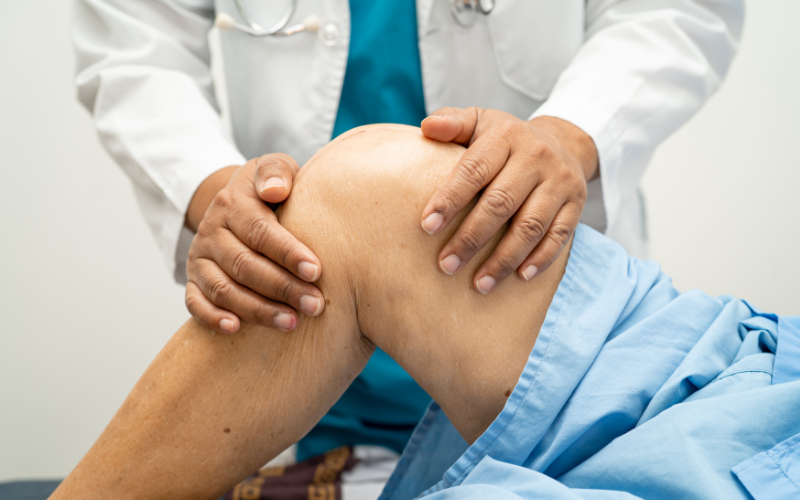
What is Knee Replacement Surgery?
Who Needs Knee Replacement Surgery?
You may benefit from knee replacement surgery if you experience:
- Severe knee pain during walking
- Pain while climbing stairs
- Difficulty standing after sitting
- Knee stiffness
- Swollen knee joints
- Bow-legged or knock-knee deformity
- Persistent pain despite medication
- Reduced walking distance
- Difficulty performing daily activities
- Night pain affecting sleep
- Limited knee movement
- Advanced osteoarthritis
Therefore, consulting an experienced orthopedic surgeon is essential when conservative treatments fail.
Conditions Treated with Knee Replacement Surgery
Dr. Sameer Chepurwar performs knee replacement surgery for various orthopedic conditions, including:
- Osteoarthritis
- Rheumatoid Arthritis
- Post-Traumatic Arthritis
- Degenerative Joint Disease
- Knee Cartilage Damage
- Knee Deformities
- Severe Knee Injury
- Failed Previous Knee Surgery
- Avascular Necrosis involving the knee
- Advanced Joint Wear
Each patient undergoes a thorough evaluation before surgery to determine the most suitable treatment.
Types of Knee Replacement Surgery
Depending on the extent of joint damage, different surgical options are available.
Total Knee Replacement (TKR)
The damaged surfaces of the entire knee joint are replaced with artificial implants. This procedure is recommended for patients with severe arthritis affecting the entire knee.
Partial Knee Replacement (PKR)
Only the damaged portion of the knee is replaced while preserving healthy bone and ligaments.
Bilateral Knee Replacement
Both knees are replaced during the same hospitalization or in separate stages, depending on the patient’s condition.
Revision Knee Replacement
Revision surgery replaces a worn-out or failed artificial knee implant.
Symptoms That May Indicate the Need for Knee Replacement
Patients often experience:
- Constant knee pain
- Joint stiffness
- Difficulty bending the knee
- Swelling around the joint
- Grinding sensation
- Knee instability
- Difficulty walking
- Reduced mobility
- Pain during rest
- Difficulty climbing stairs
- Knee deformity
- Frequent falls due to joint weakness
Early evaluation helps prevent worsening disability.
Causes of Severe Knee Damage
Several conditions contribute to knee joint degeneration.
Common causes include:
- Osteoarthritis
- Aging
- Sports injuries
- Previous fractures
- Rheumatoid arthritis
- Obesity
- Ligament injuries
- Meniscus damage
- Joint infections
- Congenital deformities
Managing these conditions early may delay the need for surgery.
Diagnosis Before Knee Replacement Surgery
Dr. Sameer Chepurwar performs a complete orthopedic assessment before recommending surgery.
Diagnostic evaluation may include:
- Detailed medical history
- Physical examination
- Digital gait analysis
- Knee X-rays
- MRI Scan (if required)
- Blood investigations
- Bone quality assessment
- Cardiac fitness evaluation
- Pre-anesthetic assessment
These investigations help determine the severity of joint damage and the most appropriate surgical approach.
Advanced Knee Replacement Procedure
The surgery is performed using advanced orthopedic techniques to maximize precision and recovery.
The procedure generally includes:
- Administration of spinal or general anesthesia
- Removal of damaged cartilage and bone
- Preparation of the joint surfaces
- Placement of high-quality artificial implants
- Restoration of proper knee alignment
- Closure using modern surgical methods
Most patients begin standing and walking with assistance within 24 hours after surgery.
Benefits of Knee Replacement Surgery
Modern knee replacement surgery offers numerous advantages.
These include:
- Significant pain relief
- Improved knee movement
- Better walking ability
- Enhanced joint stability
- Correction of deformity
- Improved quality of life
- Increased independence
- Better sleep quality
- Return to routine activities
- Long-lasting implant performance
Consequently, patients enjoy improved mobility and confidence.
Recovery After Knee Replacement Surgery
Successful recovery depends on proper rehabilitation.
Patients are advised to:
- Begin physiotherapy early.
- Walk with support initially.
- Perform prescribed knee exercises daily.
- Keep the surgical wound clean.
- Maintain a healthy body weight.
- Take medications as prescribed.
- Eat a protein-rich balanced diet.
- Attend scheduled follow-up appointments.
Most patients resume routine activities within 6–12 weeks, while complete recovery continues over several months.
Physiotherapy After Knee Replacement
Physiotherapy plays an essential role in recovery.
It helps:
- Improve knee flexibility
- Restore muscle strength
- Increase walking ability
- Improve balance
- Reduce stiffness
- Prevent complications
- Restore confidence in movement
Following the rehabilitation program consistently ensures better long-term outcomes.
Tips to Protect Your Knee Joints
Healthy habits help maintain strong knee joints.
- Maintain a healthy weight.
- Exercise regularly.
- Strengthen thigh muscles.
- Avoid prolonged sitting.
- Wear supportive footwear.
- Prevent knee injuries.
- Eat calcium and vitamin D-rich foods.
- Manage arthritis early.
- Seek medical care for persistent knee pain.