Dr. Sameer Chepurwar | Orthopedic & Joint Replacement Surgeon In Chandrapur
Knee Replacement in Chandrapur – Advanced Knee Care at Shri Sai Gajanan Hospital
Persistent knee pain can make walking, climbing stairs, standing, exercising, and even sleeping uncomfortable. When medicines, physiotherapy, lifestyle changes, or other conservative treatments no longer provide adequate relief, Knee Replacement in Chandrapur may become an appropriate treatment option for patients with advanced knee joint damage.
At Shri Sai Gajanan Hospital | Dr. Chepurwar Orthopedic & Physiotherapy Center, patients can receive orthopedic evaluation and knee replacement care from Dr. Sameer Chepurwar, an orthopedic surgeon with 28+ years of experience. His areas of expertise include joint replacement surgery, arthroscopic surgery, trauma care, fracture management, and sports injury treatment.
Knee Replacement in Chandrapur for Severe Knee Pain
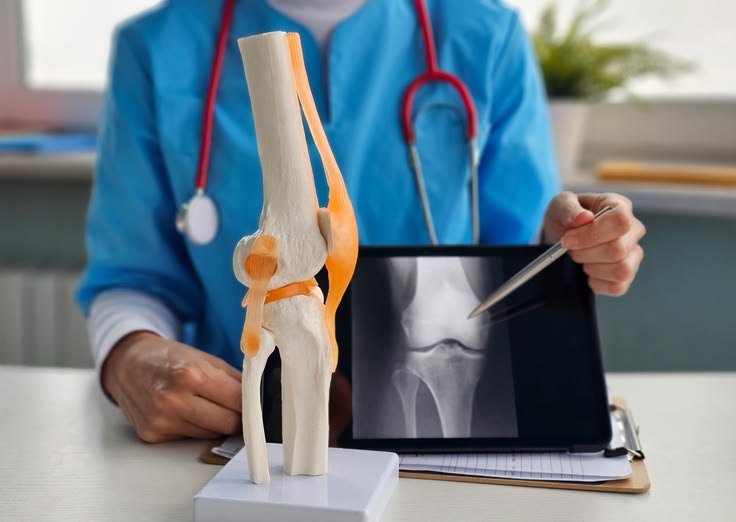
The knee is one of the body’s major weight-bearing joints. Therefore, damage to the knee can significantly affect mobility and independence. Arthritis, cartilage deterioration, previous injuries, fractures, and other conditions can gradually damage the joint.
Initially, patients may notice pain only after walking for a long time or performing strenuous activities. However, as joint damage progresses, pain can become more frequent. Eventually, patients may experience difficulty walking, climbing stairs, standing from a chair, or performing routine activities.
Fortunately, not every patient with knee pain requires surgery. Depending on the diagnosis, an orthopedic doctor may recommend medication, physiotherapy, exercise, lifestyle modifications, injections, or other conservative treatments.
However, when severe joint damage continues to cause significant pain and functional limitations despite appropriate non-surgical treatment, knee replacement may be considered.
Dr. Sameer Chepurwar for Knee Replacement in Chandrapur
Dr. Sameer Chepurwar provides orthopedic and joint replacement treatment at Shri Sai Gajanan Hospital in Chandrapur. He has over 28 years of orthopedic experience and specializes in Joint Replacement Surgery (Arthroplasty), along with arthroscopic surgery, trauma care, fracture management, and sports injury treatment.
Before recommending knee replacement, Dr. Chepurwar evaluates the patient’s symptoms, medical history, physical condition, mobility, and diagnostic findings. This individualized assessment is important because knee pain can develop from several different causes.
Furthermore, treatment decisions depend on the severity of joint damage and how significantly the condition affects everyday life. Therefore, patients can discuss both surgical and non-surgical options before making a treatment decision.
What Is Knee Replacement Surgery?
Knee replacement surgery, also called knee arthroplasty, involves replacing damaged portions of the knee joint with artificial components. The procedure aims to address severe joint damage and can help reduce pain while improving knee function.
During the procedure, the damaged cartilage and bone surfaces are removed and replaced with suitable artificial components. The exact surgical approach depends on the patient’s joint condition and the extent of damage.
Knee replacement may be considered for patients with advanced osteoarthritis, rheumatoid arthritis, post-traumatic arthritis, degenerative joint disease, severe cartilage damage, knee deformities, and other conditions that cause substantial joint deterioration.
However, the procedure is not automatically recommended simply because a patient has knee pain. Instead, an orthopedic evaluation determines whether replacement is appropriate.
Who May Need Knee Replacement?
Knee replacement may become an option when persistent symptoms significantly interfere with daily activities and other suitable treatments no longer provide sufficient relief.
Common symptoms that may require an orthopedic assessment include:
- Persistent knee pain
- Pain while walking
- Difficulty climbing stairs
- Knee stiffness
- Swelling
- Reduced knee movement
- Difficulty standing after sitting
- Reduced walking distance
- Pain during rest
- Night pain
- Knee instability
- Difficulty performing routine activities
Additionally, some patients may develop noticeable changes in knee alignment or deformity as joint damage progresses.
Nevertheless, these symptoms do not automatically mean that surgery is necessary. Instead, the orthopedic surgeon evaluates the severity of the condition and discusses appropriate treatment options.
Conditions Treated
Several orthopedic conditions can cause advanced knee joint damage. Osteoarthritis is one of the most common reasons for knee replacement. However, other conditions can also lead to severe degeneration.
These may include rheumatoid arthritis, post-traumatic arthritis, degenerative joint disease, cartilage damage, severe knee injuries, certain deformities, failed previous knee surgery, and advanced joint wear.
Furthermore, previous fractures, ligament injuries, meniscus problems, and long-term stress on the joint can contribute to progressive knee problems.
Therefore, identifying the underlying cause is essential before selecting a treatment. A detailed orthopedic assessment can help determine the severity of joint damage and whether conservative treatment or knee replacement may be appropriate.
Types of Knee Replacement Surgery
The type of knee replacement depends on the location and severity of joint damage. Therefore, the orthopedic surgeon selects the procedure according to the patient’s individual condition.
Total Knee Replacement
Total knee replacement involves replacing the damaged surfaces of the knee joint. It may be recommended when arthritis or degeneration affects multiple parts of the knee.
Partial Knee Replacement
Partial knee replacement replaces only the damaged portion of the knee while preserving suitable healthy structures. It may be considered when joint damage remains limited to a specific area.
Bilateral Knee Replacement
When both knees have significant damage, replacement may be performed during the same treatment period or in separate stages. The appropriate approach depends on the patient’s overall health and surgical assessment.
Revision Knee Replacement
Revision knee replacement addresses problems involving a previous knee implant. The procedure may become necessary when an existing replacement develops complications or requires revision.
Consequently, the orthopedic surgeon evaluates each patient carefully before recommending a specific type of knee replacement.
Diagnosis Before Knee Replacement Surgery
A detailed evaluation helps determine whether knee replacement is suitable. First, the orthopedic surgeon discusses the patient’s symptoms, previous injuries, medical history, medications, and earlier treatments.
Next, a physical examination assesses knee movement, stability, swelling, alignment, and functional limitations. Diagnostic imaging can then provide additional information about the condition of the joint.
Depending on the patient’s condition, investigations may include knee X-rays and other tests when clinically necessary. The hospital’s knee replacement information also describes preoperative assessment of general health and fitness for surgery.
Furthermore, this evaluation helps the surgeon plan the appropriate procedure and explain the expected recovery process.
Knee Replacement Procedure and Recovery
Knee replacement involves several stages, beginning with appropriate preoperative preparation and continuing through postoperative rehabilitation.
During surgery, the damaged joint surfaces are prepared and replaced with artificial components. The surgical team focuses on appropriate implant positioning and knee alignment according to the patient’s individual anatomy and condition.
Afterward, recovery becomes an important part of treatment. Patients gradually work toward improving knee movement, muscle strength, walking ability, balance, and independence.
The recovery period differs between individuals. Therefore, patients should follow their orthopedic surgeon’s postoperative instructions and avoid increasing activity too quickly.
Regular follow-up and rehabilitation can also help monitor progress and address concerns during recovery.
Physiotherapy After Surgery
Physiotherapy plays an important role in rehabilitation following knee replacement. It can help patients gradually restore flexibility, muscle strength, balance, walking ability, and functional movement.
At Dr. Chepurwar Orthopedic & Physiotherapy Center, Dr. Shweta Chepurwar provides personalized orthopedic rehabilitation. Her rehabilitation services include post-surgical recovery, joint replacement rehabilitation, mobility training, strengthening, balance and gait training, and functional rehabilitation.
Initially, rehabilitation may focus on safe movement and basic mobility. Gradually, the program can progress toward strengthening and everyday functional activities.
Therefore, consistent participation in an appropriate rehabilitation program can support the recovery process.
Benefits of Knee Replacement Surgery
When appropriately recommended, knee replacement can help address pain and functional limitations associated with severe joint damage.
Potential benefits may include improved comfort, better knee movement, increased walking ability, improved stability, and greater ability to perform daily activities.
However, outcomes vary between patients. Factors such as overall health, joint condition, rehabilitation, physical activity, and adherence to postoperative instructions can influence recovery.
Consequently, patients should discuss realistic expectations with their orthopedic surgeon before surgery.
Knee Replacement and Long-Term Joint Health
Knee replacement is an important treatment, but maintaining healthy habits after recovery can also support long-term mobility.
Maintaining a healthy body weight can reduce stress on weight-bearing joints. In addition, appropriate physical activity can help maintain muscle strength and overall mobility.
Patients should also follow their surgeon’s advice regarding exercise, walking, physical activities, and follow-up care.
Furthermore, persistent pain, swelling, instability, or unexpected changes after surgery should be discussed with the treating medical team rather than ignored.
Why Choose Shri Sai Gajanan Hospital for Knee Replacement?
Choosing a knee replacement center involves considering orthopedic expertise, diagnostic facilities, surgical infrastructure, postoperative care, and rehabilitation.
Shri Sai Gajanan Hospital | Dr. Chepurwar Orthopedic & Physiotherapy Center provides orthopedic and physiotherapy services in Chandrapur. The hospital offers joint replacement, arthroscopic procedures, fracture and trauma care, sports injury treatment, and orthopedic rehabilitation.
Furthermore, the center brings orthopedic and physiotherapy services together. As a result, patients can receive specialist orthopedic care while also having access to rehabilitation support during recovery.
The hospital is located at Hospital Ward, Kasturba Road, near Jubilee High School, Bazar Ward, Chandrapur, Maharashtra 442402.
When Should You Consult an Orthopedic Specialist?
You should consider an orthopedic consultation when knee pain continues despite appropriate self-care or begins interfering with everyday activities.
For example, difficulty walking, climbing stairs, standing from a chair, exercising, or sleeping because of knee pain may indicate the need for professional assessment.
Similarly, patients who have already tried medication, physiotherapy, exercise, or other conservative measures without adequate improvement may benefit from specialist evaluation.
However, consultation does not necessarily mean that surgery will be recommended. Instead, the doctor first identifies the cause and severity of the knee problem.
Therefore, timely assessment can help you understand whether conservative treatment, rehabilitation, or knee replacement may be suitable.
Frequently Asked Questions
What is knee replacement surgery?
Knee replacement is an orthopedic procedure in which damaged portions of the knee joint are replaced with artificial components. It is generally considered for significant joint damage that causes persistent pain and functional limitations.
Who performs knee replacement in Chandrapur?
Dr. Sameer Chepurwar provides joint replacement surgery, including knee replacement, at Shri Sai Gajanan Hospital in Chandrapur. He has over 28 years of orthopedic experience.
Is knee replacement necessary for every arthritis patient?
No. Many patients with arthritis can receive non-surgical treatment. Knee replacement is considered when symptoms and joint damage become significant and other suitable treatments do not provide adequate improvement.
What are the signs that I may need knee replacement?
Persistent pain, stiffness, reduced movement, difficulty walking, difficulty climbing stairs, swelling, instability, deformity, and pain that affects sleep or daily activities may warrant an orthopedic evaluation.
What types of knee replacement are available?
Depending on the patient’s condition, options can include total knee replacement, partial knee replacement, bilateral knee replacement, and revision knee replacement.
Is physiotherapy needed after knee replacement?
Rehabilitation is an important part of recovery for many patients. Physiotherapy can help improve knee movement, muscle strength, balance, walking ability, and functional mobility.
How long does recovery take after knee replacement?
Recovery varies from patient to patient. The timeline depends on the surgical procedure, general health, physical condition, rehabilitation progress, and adherence to postoperative instructions.
Can knee replacement reduce knee pain?
Knee replacement is designed to address severe joint damage and may significantly improve pain and function. However, individual outcomes vary.
Where can I get knee replacement in Chandrapur?
You can consult Dr. Sameer Chepurwar at Shri Sai Gajanan Hospital | Dr. Chepurwar Orthopedic & Physiotherapy Center, Hospital Ward, Kasturba Road, near Jubilee High School, Bazar Ward, Chandrapur, Maharashtra 442402.
How can I choose the right orthopedic doctor in Chandrapur?
Consider the doctor’s orthopedic expertise, treatment approach, available facilities, diagnostic support, surgical services, and rehabilitation options. Most importantly, choose a professional who evaluates your condition individually and explains appropriate treatment choices.
Book an Appointment for Knee Replacement in Chandrapur
Persistent knee pain can gradually affect walking, working, exercising, sleeping, and overall independence. Therefore, an orthopedic consultation can help identify the cause and determine the most appropriate treatment.
At Shri Sai Gajanan Hospital | Dr. Chepurwar Orthopedic & Physiotherapy Center, Dr. Sameer Chepurwar provides orthopedic and joint replacement care. In addition, Dr. Shweta Chepurwar provides physiotherapy and rehabilitation support.
If you are searching for Knee Replacement in Chandrapur, schedule a consultation to discuss your symptoms, diagnostic findings, treatment options, and expected recovery.