Dr. Sameer Chepurwar | Orthopedic & Joint Replacement Surgeon In Chandrapur

Joint Replacement Surgery in Chandrapur: Advanced Treatment for Better Mobility
If you are searching for Joint Replacement Surgery in Chandrapur, Shri Sai Gajanan Hospital | Dr. Chepurwar Orthopedic & Physiotherapy Center provides comprehensive orthopedic care for patients with advanced joint problems. The hospital offers orthopedic consultation, joint replacement treatment, surgical care, diagnostic support, and physiotherapy services under one roof.
Joint pain can gradually affect your ability to walk, work, exercise, and perform everyday activities. Initially, you may notice mild discomfort after physical activity. However, persistent joint pain can become more severe and may eventually affect your mobility, sleep, independence, and overall quality of life. Therefore, timely orthopedic evaluation can help identify the underlying problem and determine the right treatment.
The center is led by Dr. Sameer Chepurwar, an orthopedic surgeon with more than 28 years of experience. His expertise includes joint replacement surgery, arthroscopic surgery, trauma care, fracture management, and sports injury treatment. In addition, Dr. Shweta Chepurwar provides physiotherapy and rehabilitation care to support recovery after orthopedic treatment.
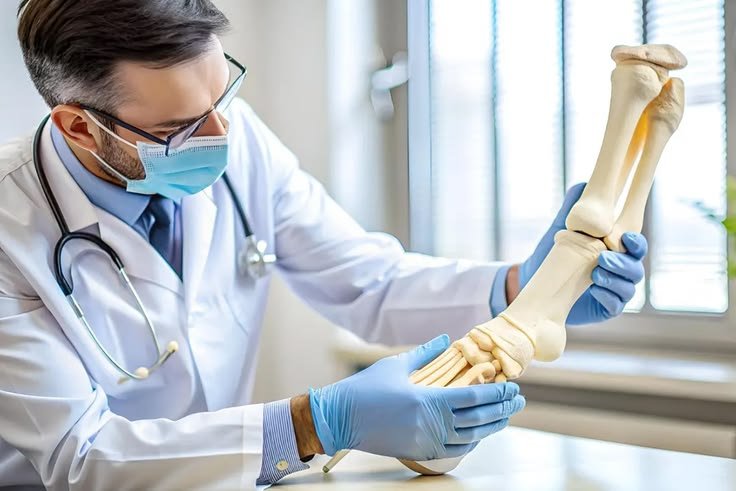
What Is Joint Replacement Surgery?
Joint replacement surgery is an orthopedic procedure that replaces a severely damaged joint with an artificial joint or prosthetic components. Doctors may recommend this treatment when joint damage causes persistent pain, stiffness, reduced movement, and difficulty performing daily activities.
The knee and hip remain two of the most commonly replaced joints. However, orthopedic surgeons can also perform replacement procedures for other joints in selected patients.
Normally, healthy joints allow smooth and comfortable movement. However, conditions such as osteoarthritis, rheumatoid arthritis, severe injuries, fractures, and certain other disorders can damage cartilage and bone. As a result, the joint may become painful and stiff.
Initially, doctors may recommend non-surgical treatments. These can include medicines, physiotherapy, lifestyle modifications, weight management, activity modification, and other appropriate measures.
Nevertheless, advanced joint damage may continue to cause symptoms despite conservative treatment. In such situations, your orthopedic surgeon may discuss joint replacement surgery as a possible treatment option.
When Is Joint Replacement Surgery Necessary?
Not every patient with joint pain requires surgery. Therefore, an orthopedic specialist should evaluate your condition before recommending joint replacement.
Doctors may consider joint replacement when pain becomes persistent and significantly affects daily life. For example, you may struggle to walk, climb stairs, stand for long periods, or get up from a chair.
Furthermore, severe stiffness can reduce your range of motion. You may also experience pain while resting or sleeping. Consequently, you may reduce physical activity and gradually lose muscle strength.
Joint replacement may become an option when:
- Joint pain continues despite conservative treatment
- Joint damage significantly affects mobility
- Severe arthritis causes persistent symptoms
- Joint stiffness limits everyday activities
- Previous injuries have caused major joint damage
- Bone or cartilage deterioration has progressed significantly
- Pain affects sleep and quality of life
However, your surgeon should make the final treatment recommendation after reviewing your symptoms, medical history, physical examination, and diagnostic reports.
Common Reasons for Joint Replacement
Several conditions can damage joints over time. Osteoarthritis remains one of the most common causes of advanced joint deterioration. As cartilage gradually wears away, the joint can become painful and stiff.
Rheumatoid arthritis can also damage joints because ongoing inflammation may affect cartilage and bone. Similarly, serious fractures and traumatic injuries can permanently affect joint function.
In some patients, avascular necrosis can damage the bone and eventually affect joint movement. Furthermore, certain congenital or developmental conditions can contribute to early joint degeneration.
Age can also increase the likelihood of degenerative joint problems. However, age alone does not determine whether someone needs joint replacement. Instead, doctors consider joint damage, symptoms, overall health, mobility, and the patient’s response to previous treatment.
Therefore, an accurate diagnosis remains essential before choosing surgery.
Types of Joint Replacement Surgery
Joint replacement surgery can involve different joints and different surgical approaches. Your orthopedic surgeon chooses the appropriate procedure according to your diagnosis and individual requirements.
Knee Replacement Surgery
Knee replacement involves replacing damaged portions of the knee joint with artificial components. Doctors may recommend this procedure for patients with advanced knee arthritis, severe cartilage damage, or significant joint deterioration.
Knee replacement aims to reduce pain and improve the patient’s ability to perform everyday movements such as walking, standing, and climbing stairs.
Hip Replacement Surgery
Hip replacement involves replacing damaged parts of the hip joint with prosthetic components. Doctors may recommend it for advanced osteoarthritis, avascular necrosis, severe joint damage, certain fractures, and other conditions.
The procedure aims to reduce pain and restore useful hip movement.
Other Joint Replacement Procedures
Depending on the patient’s condition, orthopedic surgeons may also perform replacement procedures involving other joints. However, the suitability of each procedure depends on the extent of damage and the patient’s overall health.
Consequently, patients should discuss their specific diagnosis with an orthopedic specialist before deciding on surgery.
Symptoms That May Indicate Severe Joint Damage
Joint problems often develop gradually. Initially, you may experience occasional discomfort after activity. However, symptoms can become more frequent as joint damage progresses.
Common symptoms include persistent joint pain, stiffness, swelling, reduced range of motion, difficulty walking, difficulty climbing stairs, and discomfort during routine activities.
Moreover, you may notice difficulty performing simple movements. For example, getting up from a chair, walking longer distances, bending the knee, or putting on footwear can become increasingly challenging.
Some patients also experience pain at night. Consequently, poor sleep can affect energy levels and daily functioning.
If these symptoms continue despite appropriate treatment, consult an orthopedic specialist. Early evaluation can help identify the underlying condition and determine whether conservative treatment or surgery would be more appropriate.
Diagnosis Before Joint Replacement Surgery
A detailed diagnosis forms the foundation of appropriate joint replacement treatment. During your consultation, the orthopedic surgeon reviews your symptoms, medical history, previous treatments, activity limitations, and overall health.
The doctor also performs a physical examination to assess joint movement, pain, stiffness, strength, and functional limitations.
In addition, imaging tests can help evaluate the extent of joint damage. X-rays commonly help doctors identify changes in the joint space, bone structure, alignment, and signs of degeneration.
Depending on your condition, the doctor may recommend additional investigations.
After reviewing the results, the orthopedic surgeon discusses the available treatment options. If non-surgical treatment can control your symptoms, the doctor may recommend continuing conservative care.
On the other hand, if severe joint damage causes persistent pain and significantly limits your quality of life, your surgeon may discuss joint replacement surgery.
Therefore, proper diagnosis helps patients make informed treatment decisions.
Benefits of Joint Replacement Surgery
Joint replacement can provide significant benefits for appropriately selected patients. Most importantly, the procedure aims to reduce pain caused by severe joint damage.
Furthermore, successful treatment can improve mobility and make everyday activities easier. Patients may gradually find it easier to walk, stand, sit, climb stairs, and perform other routine movements.
Joint replacement may also improve functional independence. However, patients need to follow postoperative instructions and complete their recommended rehabilitation program.
In addition, physiotherapy can help improve muscle strength, flexibility, balance, coordination, and functional movement.
Therefore, surgery represents only one part of the treatment journey. Proper rehabilitation and follow-up care also play an important role in recovery.
Joint Replacement Surgery in Chandrapur
If you are searching for Joint Replacement Surgery in Chandrapur, Shri Sai Gajanan Hospital | Dr. Chepurwar Orthopedic & Physiotherapy Center provides orthopedic and joint replacement care.
The hospital’s official information states that it provides joint replacement surgery along with orthopedic care, trauma and fracture management, sports injury treatment, and physiotherapy and rehabilitation services.
Furthermore, Dr. Sameer Chepurwar specializes in joint replacement surgery and orthopedic treatment. His clinical experience includes joint replacement, arthroscopic surgery, trauma care, fracture management, and sports injuries.
This combination of surgical and rehabilitation services allows patients to receive coordinated care throughout their treatment journey.
Most importantly, the treatment team evaluates each patient individually before recommending surgery.
Why Choose Dr. Sameer Chepurwar for Joint Replacement?
Choosing an experienced orthopedic surgeon can help patients understand their treatment options and plan their recovery more effectively.
Dr. Sameer Chepurwar is an MBBS, D.N.B., D.ORTHO qualified orthopedic surgeon with more than 28 years of experience. His areas of expertise include joint replacement surgery, arthroscopic surgery, trauma care, fracture management, and sports injury treatment.
Furthermore, his approach focuses on patient-centered orthopedic care, pain relief, mobility, rehabilitation, and long-term musculoskeletal health.
At the same center, Dr. Shweta Chepurwar provides physiotherapy and rehabilitation support. She has more than 15 years of experience in physiotherapy and specializes in orthopedic conditions and post-surgical rehabilitation.
Consequently, patients can receive both orthopedic and rehabilitation guidance as part of their treatment pathway.
Role of Physiotherapy After Joint Replacement
Physiotherapy plays an important role after joint replacement surgery. Surgery addresses the damaged joint; however, rehabilitation helps the patient regain strength and functional movement.
After surgery, muscles around the treated joint may require gradual strengthening. Therefore, a structured rehabilitation program can help patients improve mobility and confidence.
Physiotherapy may focus on:
- Improving muscle strength
- Increasing flexibility
- Improving balance
- Restoring functional movement
- Developing safe walking patterns
- Gradually returning to suitable daily activities
At Dr. Chepurwar Orthopedic & Physiotherapy Center, Dr. Shweta Chepurwar provides physiotherapy and rehabilitation services, including post-surgical recovery care.
However, patients should follow an individualized rehabilitation plan. Performing excessive exercises too early may place unnecessary stress on the recovering joint.
Recovery After Joint Replacement Surgery
Recovery varies from one patient to another. Several factors can influence recovery, including age, overall health, muscle strength, type of surgery, joint condition, and adherence to physiotherapy.
Initially, the medical team focuses on pain management, wound care, safe movement, and early mobilization. Depending on the procedure and the surgeon’s recommendations, physiotherapy may begin during the early recovery period.
As recovery progresses, patients can gradually work on strength, flexibility, balance, and functional movement.
Furthermore, regular follow-up appointments allow the orthopedic team to monitor recovery and address concerns.
Patients should follow their surgeon’s instructions carefully. They should also avoid strenuous activities until their medical team considers them appropriate.
With appropriate surgical care and structured rehabilitation, patients can gradually work toward improved mobility and independence.
Joint Replacement Cost in Chandrapur
The cost of joint replacement surgery can vary from patient to patient. Therefore, patients should not rely on a single general price when planning treatment.
Several factors can influence the overall cost, including the type of joint replacement, surgical requirements, implant selection, diagnostic tests, hospital stay, medicines, and rehabilitation.
Furthermore, the patient’s medical condition can affect the treatment plan and associated expenses.
During consultation, the orthopedic team can evaluate your condition and explain the recommended procedure. You can then discuss the expected treatment expenses and hospital-related requirements.
Understanding the complete treatment plan before surgery can help you prepare both medically and financially.
Is Joint Replacement Surgery Safe?
Joint replacement is a widely performed orthopedic procedure. However, every surgery involves potential risks. Therefore, your orthopedic surgeon should evaluate your overall health before recommending the procedure.
The medical team may conduct preoperative investigations to assess your health and identify factors that could affect surgery or recovery.
Moreover, patients should inform their doctors about existing medical conditions, medicines, allergies, and previous surgeries.
After surgery, following medical instructions, attending follow-up appointments, maintaining wound care, and completing physiotherapy can support recovery.
If you experience unusual pain, swelling, fever, wound problems, or other unexpected symptoms, contact your healthcare provider promptly.
Frequently Asked Questions About Joint Replacement Surgery in Chandrapur
1. What is joint replacement surgery?
Joint replacement surgery replaces a severely damaged joint with artificial components. Doctors may recommend the procedure when advanced joint damage causes persistent pain, stiffness, and restricted mobility.
2. Who performs joint replacement surgery in Chandrapur?
Dr. Sameer Chepurwar provides orthopedic consultation and joint replacement treatment at Shri Sai Gajanan Hospital | Dr. Chepurwar Orthopedic & Physiotherapy Center in Chandrapur. His listed areas of expertise include joint replacement surgery and other orthopedic procedures.
3. Which joints can require replacement surgery?
The hip and knee are among the most commonly replaced joints. However, other joints may also require replacement in selected cases depending on the patient’s condition.
4. When should I consider joint replacement surgery?
You should discuss joint replacement with an orthopedic surgeon when persistent joint pain, stiffness, or restricted movement significantly affects your daily life and conservative treatments no longer provide sufficient relief.
5. What conditions can lead to joint replacement?
Osteoarthritis, rheumatoid arthritis, severe joint injuries, fractures, avascular necrosis, and other conditions that cause significant joint damage may lead to joint replacement.
6. How long does recovery take after joint replacement?
Recovery varies according to the joint treated, surgical procedure, overall health, muscle strength, and rehabilitation. Following your surgeon’s instructions and completing physiotherapy can support gradual recovery.
7. Is physiotherapy necessary after joint replacement?
Physiotherapy plays an important role in rehabilitation. It can help improve strength, flexibility, balance, mobility, and functional movement after surgery. Dr. Shweta Chepurwar provides physiotherapy and post-surgical rehabilitation care.
8. How much does joint replacement surgery cost in Chandrapur?
The cost depends on factors such as the joint being replaced, surgical requirements, implant selection, diagnostic tests, hospital stay, medicines, and rehabilitation. Therefore, patients should discuss treatment-specific costs with the hospital after evaluation.
9. Can joint pain improve without replacement surgery?
Yes. Depending on the cause and severity, doctors may first recommend medicines, physiotherapy, activity modification, weight management, or other conservative treatments. However, advanced joint damage may require surgery.
10. Where can I get joint replacement surgery in Chandrapur?
You can consult Dr. Sameer Chepurwar at Shri Sai Gajanan Hospital | Dr. Chepurwar Orthopedic & Physiotherapy Center, Chandrapur for evaluation and personalized guidance regarding joint replacement surgery. The center provides orthopedic and joint replacement services along with physiotherapy and rehabilitation care.
Book an Appointment for Joint Replacement Surgery in Chandrapur
Persistent joint pain should not control your daily life. If pain, stiffness, reduced mobility, or joint damage continues despite appropriate treatment, an orthopedic consultation can help you understand your options.
At Shri Sai Gajanan Hospital | Dr. Chepurwar Orthopedic & Physiotherapy Center, patients can receive orthopedic consultation, joint replacement treatment, surgical care, and physiotherapy support in Chandrapur.
Moreover, the team focuses on personalized treatment and rehabilitation according to each patient’s condition.
Consult Dr. Sameer Chepurwar for an appropriate orthopedic evaluation and treatment plan. With timely diagnosis, suitable treatment, and structured rehabilitation, you can take a positive step toward reducing joint pain and improving mobility.