Dr. Sameer Chepurwar | Orthopedic & Joint Replacement Surgeon In Chandrapur

Joint Replacement Surgeon In Gadchiroli – Dr. Sameer Chepurwar
Finding the right Joint Replacement Surgeon In Gadchiroli is an important step for people suffering from severe joint pain, arthritis, stiffness, reduced mobility, or advanced joint damage. When joint problems begin affecting walking, climbing stairs, working, sleeping, or performing everyday activities, professional orthopedic evaluation can help identify the underlying cause and determine suitable treatment options.
Joint replacement surgery is an established orthopedic procedure used when a damaged joint causes persistent pain and significant functional limitations. Depending on the affected joint and the severity of the condition, an orthopedic specialist may consider knee replacement, hip replacement, shoulder replacement, or other joint reconstruction procedures. However, joint replacement is not automatically required for every patient. The decision depends on symptoms, examination findings, imaging results, overall health, and response to non-surgical treatment.
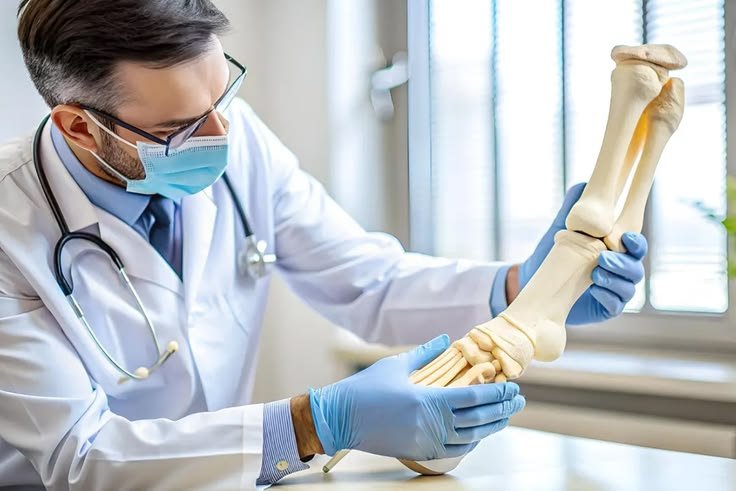
Experienced Joint Replacement Surgeon In Gadchiroli
An experienced Joint Replacement Surgeon In Gadchiroli evaluates each patient individually before recommending surgery. Joint pain can have many causes, and therefore, accurate diagnosis is essential before choosing joint replacement.
During an orthopedic consultation, the surgeon may ask about the duration and severity of pain, previous injuries, difficulty with movement, medications, previous treatments, and changes in daily activities. The examination may also assess joint movement, alignment, swelling, tenderness, muscle strength, walking pattern, and joint stability.
Furthermore, imaging investigations such as X-rays may help assess joint-space narrowing, bone changes, deformity, or advanced arthritis. In selected cases, MRI, CT scans, blood tests, or other investigations may provide additional information.
After reviewing the findings, the surgeon can explain whether conservative treatment, physiotherapy, injections, minimally invasive procedures, or joint replacement may be appropriate.
The goal is not simply to perform surgery. Instead, the goal is to select the safest and most appropriate treatment for the individual patient.
What Is Joint Replacement Surgery?
Joint replacement surgery involves removing damaged portions of a joint and replacing them with artificial components designed to restore joint function. Surgeons commonly perform replacement procedures for severely damaged knees and hips, although replacement surgery can also involve other joints in selected patients.
Severe arthritis can gradually damage cartilage and change the structure of a joint. As a result, bones may move against each other with less cushioning, causing pain, stiffness, swelling, and restricted movement.
When symptoms become severe and conservative treatments no longer provide sufficient relief, joint replacement may become a treatment option.
However, joint replacement is a major surgical procedure. Therefore, patients should undergo a detailed orthopedic assessment before making a decision. The surgeon should explain the expected benefits, potential risks, alternatives, recovery process, and rehabilitation requirements.
Knee Replacement By A Joint Replacement Surgeon In Gadchiroli
Knee replacement is one of the most commonly performed joint replacement procedures. It may be considered for patients with advanced knee arthritis or significant structural damage that causes persistent pain and difficulty with movement.
Osteoarthritis can gradually wear down the protective cartilage within the knee. Consequently, patients may develop pain while walking, climbing stairs, standing, squatting, or getting up from a chair.
Some patients also experience stiffness, swelling, reduced range of motion, knee deformity, or instability.
A Joint Replacement Surgeon In Gadchiroli can assess the severity of knee damage through clinical examination and appropriate imaging. The surgeon may first recommend non-surgical options when suitable. These can include physiotherapy, exercise, weight management, medication, activity modification, or other treatments.
When advanced joint damage significantly affects quality of life and conservative treatment no longer provides adequate improvement, knee replacement may be considered.
Hip Replacement Treatment In Gadchiroli
The hip is a major weight-bearing joint that supports walking, standing, and many everyday movements. Therefore, advanced hip disease can have a considerable effect on independence and quality of life.
Hip arthritis, avascular necrosis, fractures, previous injuries, and other degenerative conditions can damage the hip joint. Patients may experience pain in the groin, hip, thigh, buttock, or surrounding areas.
Hip problems can also cause stiffness and difficulty walking. Some patients find it increasingly difficult to climb stairs, put on footwear, sit comfortably, or perform routine activities.
A Joint Replacement Surgeon In Gadchiroli can assess the condition through medical history, physical examination, and appropriate imaging. Depending on the severity, treatment may range from conservative management to hip replacement surgery.
Hip replacement may be considered when significant joint damage causes persistent symptoms and substantially limits daily function.
When Is Joint Replacement Surgery Recommended?
Joint replacement is generally considered when significant joint damage causes persistent symptoms and affects daily life. However, the exact indications differ from one patient to another.
A surgeon may consider joint replacement when a patient experiences persistent pain despite appropriate non-surgical treatment. Severe stiffness, reduced mobility, advanced arthritis, joint deformity, or substantial deterioration in quality of life may also influence the decision.
Age alone does not determine whether someone requires joint replacement. Instead, doctors consider the patient’s symptoms, joint condition, functional limitations, general health, activity level, and treatment response.
Therefore, patients should not assume that severe pain automatically means surgery is necessary. A detailed orthopedic assessment can determine whether replacement is appropriate or whether another treatment may provide sufficient relief.
Conditions That May Require Joint Replacement
Several conditions can damage a joint enough to eventually require replacement surgery.
Osteoarthritis is one of the most common causes. It develops as joint cartilage gradually deteriorates, leading to pain, stiffness, and reduced movement.
Rheumatoid arthritis can also cause significant joint inflammation and structural damage. In addition, post-traumatic arthritis may develop after an earlier fracture or serious joint injury.
Avascular necrosis can damage the blood supply to bone and lead to progressive joint destruction, particularly in the hip. Severe fractures involving the joint may also make replacement necessary in selected cases.
Furthermore, certain congenital or developmental abnormalities can contribute to advanced joint damage.
An orthopedic specialist evaluates the underlying condition before recommending surgery. Consequently, the treatment plan should address the actual cause and severity of the joint problem.
Signs You May Need To Consult A Joint Replacement Surgeon In Gadchiroli
Persistent joint pain should not always be considered a normal part of ageing. In some cases, it may indicate progressive joint damage that requires orthopedic evaluation.
You should consider consulting a Joint Replacement Surgeon In Gadchiroli if joint pain continues for an extended period, becomes increasingly severe, or starts interfering with normal activities.
Difficulty walking, recurring swelling, significant stiffness, reduced joint movement, joint deformity, instability, or pain during everyday activities can also indicate the need for professional evaluation.
For example, severe knee arthritis may make it difficult to climb stairs or stand after sitting. Similarly, advanced hip problems may affect walking and make routine movements uncomfortable.
Early consultation does not mean that surgery will automatically follow. Instead, it allows the orthopedic specialist to determine the cause of the symptoms and discuss appropriate treatment options.
Diagnosis Before Joint Replacement Surgery
Accurate diagnosis is an essential part of joint replacement planning. The surgeon first evaluates the patient’s symptoms and medical history.
A physical examination can provide information about joint movement, alignment, muscle strength, tenderness, swelling, and functional limitations.
X-rays are commonly used to assess joint structure and identify changes associated with arthritis or other forms of joint damage. In selected cases, MRI or CT imaging may provide additional information about bones and soft tissues.
Blood investigations and other medical tests may also be recommended when necessary, particularly when the patient’s general health needs assessment before surgery.
Furthermore, the surgeon may review existing medical conditions, previous operations, medications, allergies, and other factors that could influence treatment.
This comprehensive evaluation helps the medical team develop an individualized surgical and rehabilitation plan.
Benefits Of Joint Replacement Surgery
The primary purpose of joint replacement is to reduce pain and improve joint function when severe joint damage limits daily life.
Many patients seek joint replacement because persistent pain has started restricting their normal activities. After appropriate treatment and rehabilitation, patients may experience improved mobility and greater ability to perform everyday tasks.
Joint replacement can also help address certain structural problems associated with advanced joint degeneration.
However, outcomes vary between patients. Recovery depends on factors such as overall health, muscle strength, rehabilitation participation, surgical factors, and the condition of the joint before surgery.
Therefore, patients should maintain realistic expectations and follow their orthopedic team’s instructions throughout recovery.
Joint Replacement Surgery And Modern Orthopedic Techniques
Modern orthopedic surgery continues to develop, with improvements in surgical planning, implant design, anesthesia, infection prevention, pain management, and rehabilitation.
Depending on the patient’s condition, the surgeon may select a particular implant design or surgical approach. The choice depends on joint anatomy, bone quality, severity of damage, age, activity level, and other medical considerations.
Technology can assist with planning and precision in selected procedures. However, advanced technology alone does not determine the success of a joint replacement.
Proper patient selection, accurate diagnosis, appropriate surgical technique, implant selection, infection prevention, post-operative care, and rehabilitation all contribute to the overall treatment process.
Therefore, patients should discuss the specific surgical approach and technology available with their orthopedic surgeon rather than choosing treatment based only on a procedure name.
Recovery After Joint Replacement Surgery
Recovery after joint replacement occurs gradually. The exact recovery period differs from one patient to another and depends on the joint treated, surgical technique, general health, muscle strength, and rehabilitation progress.
After surgery, patients may begin guided movement and physiotherapy according to their medical team’s recommendations. Gradually, rehabilitation focuses on improving joint mobility, muscle strength, balance, walking ability, and functional independence.
Following the prescribed exercise program is important. Patients should also attend scheduled follow-up appointments and follow instructions regarding wound care, medications, activity levels, and walking assistance.
Furthermore, patients should avoid returning to strenuous activities before receiving appropriate medical guidance.
A structured rehabilitation program can support recovery and help patients gradually return to their normal routine.
Physiotherapy After Joint Replacement
Physiotherapy plays an important role in many joint replacement recovery programs. Surgery addresses the damaged joint, while rehabilitation helps the surrounding muscles and tissues regain strength and function.
A physiotherapist may guide patients through exercises designed to improve flexibility, strength, balance, walking ability, and functional movement.
Early rehabilitation may focus on safe movement and basic mobility. Later, the program can gradually progress toward more functional activities.
Patients should perform exercises according to professional guidance rather than attempting aggressive workouts immediately after surgery.
Consistency is important because rehabilitation is a gradual process. Therefore, patients should remain patient and follow their personalized recovery plan.
Choosing The Right Joint Replacement Surgeon In Gadchiroli
Choosing a Joint Replacement Surgeon In Gadchiroli requires careful consideration. Patients should look at the surgeon’s orthopedic qualifications, relevant experience, treatment specialization, hospital facilities, diagnostic support, surgical expertise, and rehabilitation services.
It is also important to understand whether the surgeon regularly manages the type of joint condition affecting you. For example, patients considering knee replacement should discuss the surgeon’s experience with knee arthritis and knee replacement procedures.
Similarly, patients with advanced hip disease should seek appropriate evaluation from a specialist experienced in hip conditions and replacement surgery.
Clear communication also matters. Your surgeon should explain the diagnosis, available treatment choices, expected benefits, possible risks, recovery process, and follow-up requirements in language you understand.
Ultimately, informed decision-making can help patients approach joint replacement with realistic expectations.
Choosing The Right Joint Replacement Surgeon In Gadchiroli
Choosing a Joint Replacement Surgeon In Gadchiroli requires careful consideration. Patients should look at the surgeon’s orthopedic qualifications, relevant experience, treatment specialization, hospital facilities, diagnostic support, surgical expertise, and rehabilitation services.
It is also important to understand whether the surgeon regularly manages the type of joint condition affecting you. For example, patients considering knee replacement should discuss the surgeon’s experience with knee arthritis and knee replacement procedures.
Similarly, patients with advanced hip disease should seek appropriate evaluation from a specialist experienced in hip conditions and replacement surgery.
Clear communication also matters. Your surgeon should explain the diagnosis, available treatment choices, expected benefits, possible risks, recovery process, and follow-up requirements in language you understand.
Ultimately, informed decision-making can help patients approach joint replacement with realistic expectations.
Joint Replacement Care For Patients From Gadchiroli And Nearby Areas
Patients from Gadchiroli and surrounding areas may travel for specialized orthopedic consultation and treatment. Local healthcare directories also list joint replacement and orthopedic services in the region.
When planning treatment, patients should consider the complete care journey rather than focusing only on the operation. Pre-operative assessment, surgery, hospitalization, physiotherapy, follow-up appointments, and rehabilitation are all important components of joint replacement care.
Therefore, it can be helpful to choose a treatment pathway that provides appropriate orthopedic evaluation and adequate follow-up support.
Patients travelling from nearby towns should also plan transportation and post-operative assistance because mobility can be temporarily limited after surgery.
Why Timely Orthopedic Evaluation Matters
Ignoring persistent joint pain can allow symptoms to interfere progressively with daily life. Although not every painful joint requires replacement, delaying evaluation may make it more difficult to understand the underlying condition.
An orthopedic consultation can determine whether symptoms result from arthritis, an old injury, cartilage damage, ligament problems, or another condition.
Early evaluation can also provide an opportunity to explore conservative treatment before joint damage becomes advanced.
If joint replacement eventually becomes appropriate, early planning can help patients understand the procedure, prepare for surgery, address relevant health concerns, and organize post-operative rehabilitation.
Therefore, timely professional evaluation is an important step for anyone experiencing persistent joint problems.
Frequently Asked Questions About Joint Replacement Surgeon In Gadchiroli
What does a Joint Replacement Surgeon In Gadchiroli do?
A joint replacement surgeon specializes in evaluating and treating advanced joint conditions that may require replacement surgery. Common procedures include knee and hip replacement, although other joints may also require replacement in selected cases.
When should I consult a Joint Replacement Surgeon In Gadchiroli?
You should consider an orthopedic consultation when persistent joint pain, stiffness, swelling, deformity, or reduced mobility begins affecting your daily activities, particularly when conservative treatment has not provided adequate improvement.
Does severe arthritis always require joint replacement?
No. Many patients with arthritis can manage symptoms through medication, physiotherapy, exercise, weight management, activity modification, or other treatments. Joint replacement may be considered when severe joint damage causes significant symptoms and other treatments are no longer sufficient.
What is the most common joint replacement surgery?
Knee and hip replacement are among the most commonly performed joint replacement procedures. The appropriate procedure depends on the joint affected and the severity of the damage.
How do I know if I need knee replacement?
Persistent knee pain, severe arthritis, significant stiffness, reduced mobility, deformity, and difficulty performing everyday activities may indicate the need for an orthopedic assessment. Only a qualified specialist can determine whether knee replacement is appropriate.
Is hip replacement suitable for everyone with hip pain?
No. Hip pain can have many causes, and not every patient requires replacement. The orthopedic surgeon first determines the cause and severity of the condition before recommending treatment.
How long does joint replacement recovery take?
Recovery varies according to the patient, joint replaced, surgical procedure, general health, and rehabilitation progress. Your orthopedic team can provide a more personalized recovery plan based on your specific condition.
Is physiotherapy required after joint replacement?
Physiotherapy is commonly an important part of recovery after joint replacement. It can help improve movement, strength, balance, walking ability, and functional independence.
What should I ask a joint replacement surgeon before surgery?
Ask about your diagnosis, alternatives to surgery, type of procedure, implant options, potential risks, expected benefits, hospitalization, recovery, physiotherapy, follow-up, and expected costs.
How can I choose the right Joint Replacement Surgeon In Gadchiroli?
Consider the surgeon’s orthopedic qualifications, relevant joint replacement experience, hospital facilities, diagnostic support, surgical expertise, communication, and rehabilitation arrangements. A consultation can help you determine whether the surgeon is suitable for your condition.
Book A Consultation With A Joint Replacement Surgeon In Gadchiroli
If persistent knee, hip, shoulder, or other joint pain is affecting your mobility and daily activities, consider consulting a qualified orthopedic specialist.
A Joint Replacement Surgeon In Gadchiroli can evaluate your symptoms, identify the underlying joint problem, and explain whether non-surgical treatment, rehabilitation, or joint replacement may be appropriate.
Before choosing surgery, discuss your diagnosis, available treatment options, expected outcomes, potential risks, recovery requirements, and rehabilitation plan with your orthopedic specialist.
Most importantly, do not choose a surgical procedure based solely on advertisements or online claims. A personalized medical evaluation should guide the final treatment decision.