Dr. Sameer Chepurwar | Orthopedic & Joint Replacement Surgeon In Chandrapur
Joint Replacement Surgeon in Chandrapur – Dr. Sameer Chepurwar
Finding the right Joint Replacement Surgeon in Chandrapur is important when severe joint pain, stiffness, or reduced mobility starts affecting everyday activities. At Shri Sai Gajanan Hospital | Dr. Chepurwar Orthopedic & Physiotherapy Center, patients receive specialized orthopedic care for damaged joints, arthritis, fractures, and other conditions that may require joint replacement. The hospital provides modern infrastructure, advanced diagnostic facilities, and operation theatres to support comprehensive orthopedic treatment.
Dr. Sameer Chepurwar, an orthopedic surgeon with more than 28 years of experience, specializes in joint replacement surgery, arthroscopic procedures, trauma care, fracture management, and sports injury treatment. In addition, Dr. Shweta Chepurwar provides physiotherapy and rehabilitation services. Therefore, patients can receive both surgical care and structured rehabilitation at the same center.
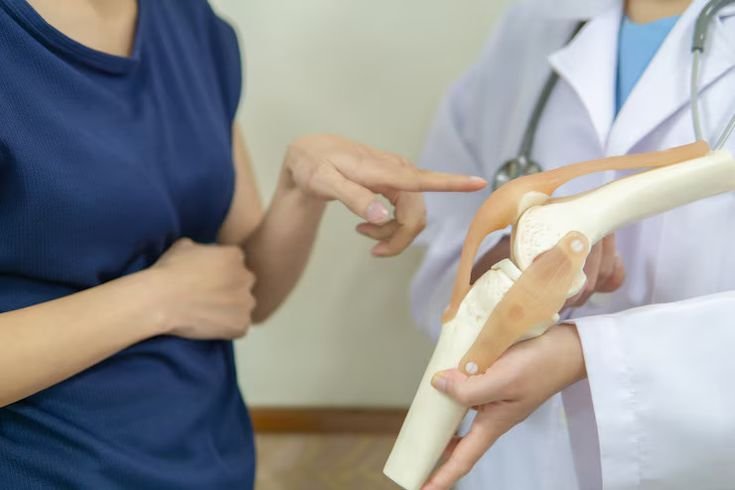
Joint Replacement Surgeon in Chandrapur for Advanced Joint Care
Joint problems can gradually affect walking, climbing stairs, standing, sitting, and other routine activities. Arthritis, previous injuries, fractures, cartilage damage, and age-related joint degeneration can all contribute to persistent pain and stiffness.
However, joint replacement surgery is not automatically necessary whenever joint pain occurs. First, an orthopedic surgeon evaluates the symptoms, medical history, physical condition, and diagnostic reports. Afterward, the doctor determines whether conservative treatment or surgery is more appropriate.
Depending on the condition, treatment may include medication, physiotherapy, lifestyle changes, activity modification, injections, or other non-surgical approaches. When these options no longer provide adequate relief and joint damage significantly affects function, replacement surgery may become an option.
Consequently, an individualized orthopedic assessment remains essential before making a decision about joint replacement.
Dr. Sameer Chepurwar – Joint Replacement Surgeon in Chandrapur
Dr. Sameer Chepurwar is an orthopedic surgeon practicing at Shri Sai Gajanan Hospital in Chandrapur. His professional profile lists Joint Replacement Surgery (Arthroplasty) among his major areas of expertise, along with arthroscopic surgery, trauma care, fracture management, and sports injury treatment.
His approach focuses on evaluating the patient’s condition before selecting an appropriate treatment strategy. This is particularly important because joint pain can have different causes, and the same symptoms can occur at different stages of joint disease.
For example, knee pain may result from osteoarthritis, previous injury, cartilage damage, or another orthopedic condition. Similarly, hip pain can develop because of arthritis, trauma, or other forms of joint degeneration.
Therefore, a detailed orthopedic assessment helps determine whether joint replacement is suitable and which treatment approach best fits the patient’s condition.
What Is Joint Replacement Surgery?
Joint replacement surgery, also known as arthroplasty, involves replacing damaged portions of a joint with artificial components. The procedure aims to reduce pain and improve joint function when significant damage affects normal movement.
The type of replacement depends on the affected joint and the extent of damage. Common joint replacement procedures include knee replacement, hip replacement, and shoulder replacement.
However, every patient has different treatment requirements. Age, bone quality, activity level, joint condition, medical history, and previous treatment can influence the surgical plan.
Therefore, the orthopedic surgeon performs an individual evaluation before recommending joint replacement.
Knee Replacement Surgery in Chandrapur
Severe knee arthritis and advanced joint damage can cause persistent pain, stiffness, swelling, restricted movement, and difficulty walking. Over time, these symptoms can interfere with work, exercise, sleep, and routine activities.
At Shri Sai Gajanan Hospital, Dr. Sameer Chepurwar provides knee replacement surgery as part of his orthopedic services. The hospital’s treatment information includes total knee replacement, partial knee replacement, bilateral knee replacement, and revision knee replacement as different surgical approaches depending on the patient’s condition.
Before recommending surgery, the orthopedic surgeon evaluates the severity of joint damage and the patient’s symptoms. Diagnostic assessment may include physical examination and appropriate imaging or other investigations.
Furthermore, rehabilitation forms an important part of recovery after knee replacement. Physiotherapy can help patients gradually improve mobility, strength, flexibility, and functional movement.
Hip Replacement Surgery in Chandrapur
Hip joint damage can make walking, climbing stairs, sitting, standing, and sleeping uncomfortable. Advanced arthritis, fractures, avascular necrosis, post-traumatic joint damage, and other conditions may affect hip function.
Dr. Sameer Chepurwar provides hip replacement care at Shri Sai Gajanan Hospital. The hospital’s treatment information describes total hip replacement, partial hip replacement, revision hip replacement, and different implant approaches based on individual patient factors.
However, surgery is considered only after an appropriate orthopedic assessment. The surgeon evaluates symptoms, joint damage, mobility limitations, previous treatment, bone condition, and overall health.
After the procedure, physiotherapy and gradual activity progression can support recovery. Therefore, rehabilitation remains an important part of the overall treatment journey.
Shoulder Replacement Surgery in Chandrapur
The shoulder is a highly mobile joint. Consequently, severe arthritis, fractures, rotator cuff-related joint damage, avascular necrosis, or previous surgical problems can significantly affect shoulder movement.
In selected cases, shoulder replacement may become an appropriate treatment option. Dr. Sameer Chepurwar provides shoulder replacement surgery as part of his orthopedic services. The hospital describes total shoulder replacement, reverse shoulder replacement, partial shoulder replacement, and revision procedures as possible approaches depending on the patient’s condition.
Before surgery, the orthopedic surgeon evaluates shoulder movement, pain, joint damage, and relevant diagnostic findings. Afterward, a personalized rehabilitation program can help restore shoulder function according to the surgical procedure and recovery stage.
When Is Joint Replacement Surgery Considered?
Joint replacement generally becomes a consideration when significant joint damage causes persistent symptoms and affects daily function.
Patients may experience:
- Persistent joint pain
- Difficulty walking
- Joint stiffness
- Reduced range of motion
- Difficulty climbing stairs
- Pain during routine activities
- Pain that interferes with sleep
- Reduced ability to exercise
- Joint deformity in advanced cases
However, these symptoms do not automatically mean that replacement surgery is necessary. A qualified orthopedic surgeon needs to evaluate the underlying condition first.
Furthermore, many patients may benefit from non-surgical management before surgery becomes appropriate. Therefore, professional assessment helps determine the most suitable treatment pathway.
Conditions That May Lead to Joint Replacement
Several orthopedic conditions can cause severe joint damage. Osteoarthritis remains a common reason for joint replacement. However, other conditions can also affect joint function.
These may include rheumatoid arthritis, post-traumatic arthritis, severe fractures, avascular necrosis, cartilage damage, joint deformities, and advanced degenerative joint disease.
The hospital’s orthopedic information specifically identifies arthritis, degenerative joint disease, post-traumatic conditions, fractures, and other causes among conditions associated with joint replacement procedures.
Therefore, identifying the exact cause of joint damage is important before deciding on surgery.
Diagnosis Before Joint Replacement Surgery
A detailed evaluation helps the orthopedic surgeon understand the severity of joint damage and determine whether replacement surgery is appropriate.
The assessment may involve a discussion of symptoms, medical history, previous treatments, physical examination, and appropriate diagnostic imaging.
For example, X-rays can help evaluate joint space and structural changes. Depending on the condition, the surgeon may also recommend additional investigations.
Moreover, the doctor considers the patient’s general health before surgery. This evaluation helps with surgical planning and preparation.
Consequently, patients should provide accurate information about previous surgeries, medications, existing health concerns, allergies, and earlier treatments during consultation.
Personalized Joint Replacement Treatment
Every patient has different orthopedic needs. Therefore, joint replacement treatment should not follow exactly the same approach for everyone.
The orthopedic surgeon considers factors such as the affected joint, severity of damage, age, activity level, bone quality, medical history, and previous treatment.
After reviewing these factors, the surgeon can discuss the appropriate procedure and expected recovery process.
Furthermore, implant selection and surgical planning depend on the individual case. Patients can discuss their concerns and understand the available options during consultation.
This personalized approach helps ensure that treatment decisions remain connected to the patient’s actual orthopedic condition.
Recovery After Joint Replacement Surgery
Recovery continues after the surgical procedure. Therefore, following the postoperative instructions provided by the orthopedic and rehabilitation team is important.
Physiotherapy can support recovery by gradually working on mobility, strength, flexibility, balance, and functional activities.
The recovery timeline varies between patients. It can depend on the type of joint replacement, overall health, physical condition, surgical approach, and adherence to rehabilitation.
Patients should also attend scheduled follow-up appointments. These visits allow the treating team to monitor progress and address concerns when necessary.
Most importantly, patients should not rush back into strenuous activities without professional guidance.
Physiotherapy After Joint Replacement
Physiotherapy can play an important role following joint replacement surgery. Once medically appropriate, guided rehabilitation can help patients regain movement and strength.
Dr. Shweta Chepurwar, Consultant Physiotherapist at the center, provides rehabilitation services for orthopedic conditions and post-surgical recovery.
Depending on the joint replaced, physiotherapy may include mobility exercises, strengthening activities, balance training, flexibility work, and functional exercises.
Furthermore, the rehabilitation plan can progress gradually as the patient improves.
Therefore, combining orthopedic treatment with professional rehabilitation can provide a coordinated approach to recovery.
Why Choose Shri Sai Gajanan Hospital for Joint Replacement Care?
Patients considering joint replacement often look for specialist orthopedic care, diagnostic support, surgical infrastructure, and rehabilitation services.
Shri Sai Gajanan Hospital | Dr. Chepurwar Orthopedic & Physiotherapy Center provides orthopedic and physiotherapy services in Chandrapur. The hospital describes its facilities as including modern infrastructure, advanced diagnostic facilities, and state-of-the-art operation theatres.
Moreover, the center provides knee replacement, hip replacement, shoulder replacement, arthroscopic surgery, fracture and trauma care, and orthopedic rehabilitation.
Therefore, patients can discuss their joint problems and explore appropriate treatment options within a coordinated orthopedic care environment.
When Should You Consult a Joint Replacement Surgeon?
Consider an orthopedic consultation if joint pain continues despite appropriate conservative treatment or begins interfering with normal activities.
You may also seek evaluation if you experience increasing stiffness, reduced mobility, difficulty walking, recurring swelling, joint deformity, or pain that affects sleep and daily routines.
However, these symptoms do not necessarily mean that you need joint replacement surgery. A specialist should first determine the underlying cause and assess the severity of joint damage.
Therefore, early consultation can help you understand the available treatment choices and whether surgery is appropriate.
Frequently Asked Questions About Joint Replacement Surgeons in Chandrapur
1. Who is a Joint Replacement Surgeon in Chandrapur?
Dr. Sameer Chepurwar is an orthopedic surgeon in Chandrapur whose listed expertise includes Joint Replacement Surgery, also known as arthroplasty. He practices at Shri Sai Gajanan Hospital | Dr. Chepurwar Orthopedic & Physiotherapy Center. (drsameerchepurwar.in)
2. What joints can be replaced?
Common joint replacement procedures include knee, hip, and shoulder replacement. The appropriate procedure depends on the affected joint and the extent of damage.
3. When is knee replacement considered?
Knee replacement may be considered when severe joint damage causes persistent pain and functional limitations and appropriate non-surgical treatments do not provide sufficient improvement.
4. When is hip replacement required?
Hip replacement may become an option when significant hip joint damage causes persistent pain and difficulty with everyday movement. Conditions can include severe arthritis, certain fractures, avascular necrosis, and other forms of joint damage. (drsameerchepurwar.in)
5. Does every arthritis patient need joint replacement?
No. Many arthritis patients can manage their condition with non-surgical treatment. Joint replacement is considered only when clinically appropriate after an orthopedic evaluation.
6. Is physiotherapy required after joint replacement?
Rehabilitation is commonly an important part of recovery after joint replacement. The specific physiotherapy program depends on the patient’s procedure, condition, and recovery progress.
7. Does Dr. Sameer Chepurwar perform knee replacement surgery?
Yes. Knee replacement surgery is listed among the orthopedic services provided by Dr. Sameer Chepurwar at Shri Sai Gajanan Hospital. (drsameerchepurwar.in)
8. Does Dr. Sameer Chepurwar perform hip replacement surgery?
Yes. Hip replacement is listed among the joint replacement services provided at Shri Sai Gajanan Hospital. (drsameerchepurwar.in)
9. Does the center provide shoulder replacement?
Yes. Shoulder replacement surgery is listed among the orthopedic services available at the center.
10. Where is the hospital located?
Shri Sai Gajanan Hospital | Dr. Chepurwar Orthopedic & Physiotherapy Center is located at Hospital Ward, Kasturba Road, near Jubilee High School, Bazar Ward, Chandrapur, Maharashtra 442402.
Book a Consultation with a Joint Replacement Surgeon in Chandrapur
Persistent joint pain can affect walking, working, exercising, sleeping, and other everyday activities. Therefore, patients experiencing ongoing symptoms should consider an orthopedic evaluation.
At Shri Sai Gajanan Hospital | Dr. Chepurwar Orthopedic & Physiotherapy Center, Dr. Sameer Chepurwar provides orthopedic and joint replacement care for appropriate patients. In addition, Dr. Shweta Chepurwar provides physiotherapy and rehabilitation support.
If you are searching for a Joint Replacement Surgeon in Chandrapur, schedule an orthopedic consultation to understand your joint condition and discuss the treatment options suitable for you.