Dr. Sameer Chepurwar | Orthopedic & Joint Replacement Surgeon In Chandrapur
Expert Joint Pain Treatment in Chandrapur for Lasting Relief and Better Mobility
If you are searching for Joint Pain Treatment in Chandrapur, Shri Sai Gajanan Hospital | Dr. Chepurwar Orthopedic & Physiotherapy Center provides comprehensive orthopedic care for patients experiencing joint pain, stiffness, swelling, reduced movement, and difficulty performing everyday activities. Under the guidance of Dr. Sameer Chepurwar, the center focuses on accurate diagnosis, personalized treatment, pain management, joint care, and rehabilitation. Moreover, the hospital provides orthopedic treatment, joint replacement surgery, trauma care, sports injury treatment, and physiotherapy services under one roof.
Joint pain can affect the knees, hips, shoulders, elbows, wrists, ankles, hands, and other joints. Furthermore, it can develop because of osteoarthritis, rheumatoid arthritis, previous injuries, sports injuries, cartilage damage, gout, age-related degeneration, or other orthopedic conditions. Therefore, identifying the actual cause of joint pain remains essential before selecting a treatment.
What Is Joint Pain?
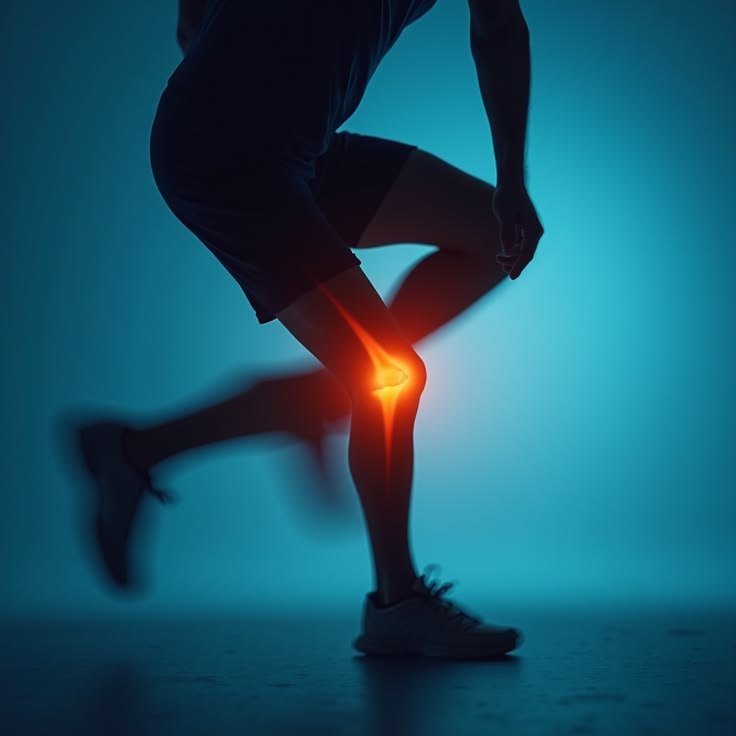
Joint pain refers to discomfort, aching, stiffness, tenderness, or swelling in or around a joint. Although occasional pain may improve with rest, persistent joint pain can gradually affect mobility and quality of life.
For example, knee pain can make walking and climbing stairs difficult. Similarly, hip pain can affect sitting, standing, and sleeping. Shoulder pain can make lifting the arm difficult, while ankle pain can interfere with walking.
Moreover, joint pain does not always occur because of aging. Injuries, arthritis, inflammation, repetitive stress, and other medical conditions can also cause joint problems.
Therefore, patients should not ignore persistent or worsening joint pain. Instead, an orthopedic evaluation can help identify the underlying problem and determine an appropriate treatment plan.
Common Causes of Joint Pain
Joint pain can develop for several different reasons. Consequently, doctors need to evaluate the patient’s symptoms, medical history, physical condition, and diagnostic results before recommending treatment.
Common causes include osteoarthritis, rheumatoid arthritis, post-traumatic arthritis, gout, joint injuries, cartilage damage, infections, and age-related degeneration.
Osteoarthritis
Osteoarthritis commonly develops because of gradual cartilage degeneration. As cartilage becomes damaged, bones can experience increased friction, which may cause pain, stiffness, and reduced movement.
Rheumatoid Arthritis
Rheumatoid arthritis can cause inflammation within the joints. Over time, uncontrolled inflammation can damage joint structures and affect mobility.
Post-Traumatic Arthritis
A previous fracture, ligament injury, or major joint injury can increase the risk of developing arthritis later.
Gout
Gout can cause sudden and painful inflammation when uric acid crystals accumulate within a joint.
Sports Injuries
Athletes and physically active individuals can develop joint pain because of ligament injuries, cartilage damage, overuse, or repetitive stress.
Therefore, identifying the cause remains the first step toward effective joint pain treatment.
Symptoms of Joint Pain
Joint pain can produce different symptoms depending on its underlying cause. However, common symptoms include pain, stiffness, swelling, reduced range of motion, clicking or grinding sensations, warmth, weakness, and difficulty walking.
Patients may experience pain during movement or after prolonged physical activity. Furthermore, advanced joint problems can cause discomfort during rest or sleep.
You should consider an orthopedic consultation if joint pain:
- Continues for several weeks
- Gradually becomes worse
- Causes repeated swelling
- Limits joint movement
- Makes walking difficult
- Affects sleep
- Interferes with work or daily activities
- Develops after a significant injury
- Does not improve with previous treatment
Early evaluation can help doctors identify the problem and recommend suitable treatment.
When Should You See an Orthopedic Doctor for Joint Pain?
Many people ignore joint pain until it starts affecting their daily routine. However, delaying an evaluation can sometimes allow an underlying condition to progress.
You should consult an orthopedic specialist when pain persists despite rest or basic measures. Similarly, repeated swelling, severe stiffness, reduced mobility, joint instability, or pain after an injury deserves professional attention.
Furthermore, seek prompt medical evaluation after a major accident, fracture, or significant joint injury.
An orthopedic specialist can assess your joint, identify possible causes, and determine whether you need medication, physiotherapy, injections, further investigations, or surgery.
Therefore, timely treatment can help you maintain mobility and avoid unnecessary limitations in everyday life.
Joint Pain Treatment in Chandrapur for Arthritis
Arthritis represents one of the major causes of chronic joint pain. It can affect the knees, hips, shoulders, hands, feet, elbows, and other joints.
At Shri Sai Gajanan Hospital, Dr. Sameer Chepurwar provides evaluation and treatment for different forms of arthritis, including osteoarthritis, rheumatoid arthritis, post-traumatic arthritis, gout, and other joint conditions.
Treatment depends on the type and severity of arthritis.
For example, patients with early joint degeneration may benefit from exercise, physiotherapy, medication, lifestyle changes, and other non-surgical treatments. However, patients with advanced joint damage may require injections, minimally invasive procedures, or joint replacement surgery.
Consequently, arthritis treatment should follow an individualized plan rather than a one-size-fits-all approach.
Knee Joint Pain Treatment in Chandrapur
The knee carries a significant portion of the body’s weight. Therefore, knee problems can quickly affect walking and everyday mobility.
Knee pain can occur because of osteoarthritis, rheumatoid arthritis, ligament injuries, meniscus problems, cartilage damage, fractures, sports injuries, or other conditions.
Initially, an orthopedic specialist evaluates the cause of knee pain. Depending on the diagnosis, treatment may include medication, physiotherapy, exercise, lifestyle modification, injections, or surgical treatment.
However, advanced knee arthritis can severely damage the joint. When appropriate non-surgical treatment no longer provides sufficient relief, the doctor may recommend knee replacement surgery.
Shri Sai Gajanan Hospital provides knee replacement treatment for conditions such as osteoarthritis, rheumatoid arthritis, post-traumatic arthritis, cartilage damage, knee deformities, severe knee injuries, and advanced joint wear.
Therefore, patients with persistent knee pain should receive an orthopedic evaluation before assuming that surgery is necessary.
Hip Joint Pain Treatment in Chandrapur
Hip pain can significantly affect walking, standing, sitting, climbing stairs, and sleeping.
Common causes include osteoarthritis, rheumatoid arthritis, avascular necrosis, hip fractures, post-traumatic arthritis, hip deformities, and degenerative joint disease.
Initially, doctors may recommend conservative treatment when appropriate. However, severe hip joint damage may eventually require hip replacement surgery.
At Shri Sai Gajanan Hospital, Dr. Sameer Chepurwar provides hip replacement services, including primary hip replacement, revision hip replacement, minimally invasive hip surgery, and trauma care.
Therefore, persistent hip pain should receive an accurate orthopedic assessment rather than long-term self-medication.
Shoulder Joint Pain Treatment
Shoulder pain can make everyday activities such as reaching overhead, dressing, lifting objects, and exercising difficult.
Arthritis, rotator cuff problems, trauma, sports injuries, and degenerative changes can contribute to shoulder pain.
Depending on the cause, doctors may recommend medication, physiotherapy, injections, arthroscopic treatment, or shoulder replacement surgery.
Furthermore, physiotherapy can help improve shoulder mobility and strengthen the surrounding muscles.
Therefore, patients should obtain an accurate diagnosis before beginning a long-term treatment plan.
Diagnosis for Joint Pain
Accurate diagnosis allows the orthopedic specialist to identify the underlying cause of joint pain.
During consultation, the doctor may review your medical history and perform a physical examination. Moreover, the doctor may evaluate joint movement, stability, muscle strength, walking pattern, swelling, and the location of pain.
Depending on your symptoms, the doctor may recommend:
- Digital X-rays
- MRI
- CT scans
- Blood investigations
- Rheumatoid factor testing
- Anti-CCP testing
- ESR and CRP
- Joint fluid analysis
- Bone density evaluation
Dr. Sameer Chepurwar’s joint pain treatment information lists these diagnostic investigations according to the patient’s clinical requirements.
Therefore, diagnostic tests should follow a clinical assessment rather than occur automatically for every patient.
Non-Surgical Joint Pain Treatment
Not every patient with joint pain needs surgery. In fact, doctors often consider conservative treatment first when the condition allows it.
Depending on the diagnosis, non-surgical treatment may include medication, physiotherapy, exercise, weight management, lifestyle modification, joint injections, and activity modification.
Physiotherapy can help improve joint flexibility, strengthen surrounding muscles, reduce stiffness, improve balance, and support functional movement.
Moreover, maintaining a healthy body weight and following an appropriate exercise program can support joint health.
However, patients should follow an exercise plan designed for their condition instead of performing strenuous exercises without professional guidance.
Physiotherapy for Joint Pain
Physiotherapy can form an important part of joint pain management and rehabilitation.
A physiotherapist evaluates movement, muscle strength, joint mobility, flexibility, balance, and functional limitations. Then, the physiotherapist develops an individualized rehabilitation program.
Treatment can include therapeutic exercises, joint mobility training, strengthening, balance exercises, gait training, functional rehabilitation, and home exercises.
Furthermore, physiotherapy can support recovery after joint replacement surgery, fractures, ligament injuries, sports injuries, and other orthopedic conditions.
Therefore, combining orthopedic evaluation with appropriate physiotherapy can provide a comprehensive approach to managing many joint problems.
Joint Replacement Surgery for Severe Joint Pain
Advanced joint damage can sometimes cause persistent pain and major mobility limitations.
When appropriate non-surgical treatments no longer provide sufficient relief, joint replacement surgery may become an option.
Depending on the affected joint, treatment can include:
- Total knee replacement
- Total hip replacement
- Shoulder replacement
Shri Sai Gajanan Hospital provides joint replacement treatment for advanced arthritis and severe joint damage when conservative treatment does not provide adequate relief.
However, joint replacement represents a major medical decision. Therefore, the orthopedic surgeon should thoroughly evaluate the patient before recommending surgery.
Lifestyle Changes for Joint Health
Medical treatment represents only one part of long-term joint care. Lifestyle choices can also support mobility and joint function.
Maintaining a healthy weight can reduce stress on weight-bearing joints. Similarly, regular low-impact exercise can help maintain muscle strength and flexibility.
Furthermore, patients should avoid prolonged inactivity. At the same time, they should avoid activities that repeatedly worsen their joint symptoms.
A balanced diet, supportive footwear, appropriate exercise, and joint-protection techniques can also contribute to overall musculoskeletal health.
Most importantly, patients should follow lifestyle recommendations that match their specific medical condition.
Why Choose Shri Sai Gajanan Hospital for Joint Pain Treatment in Chandrapur?
Shri Sai Gajanan Hospital | Dr. Chepurwar Orthopedic & Physiotherapy Center provides comprehensive orthopedic and rehabilitation services in Chandrapur.
The hospital focuses on orthopedic care, joint replacement surgery, trauma and fracture management, sports injury treatment, physiotherapy, and rehabilitation.
Moreover, the hospital combines orthopedic treatment with rehabilitation services, which can help patients continue their recovery after surgery or during conservative treatment.
Dr. Sameer Chepurwar focuses on orthopedic and joint replacement care, while Dr. Shweta Chepurwar provides physiotherapy and rehabilitation services.
Consequently, patients can access evaluation, treatment, surgical care when required, and rehabilitation support through a coordinated approach.
Best Joint Pain Treatment in Chandrapur for Better Mobility
If you are looking for Joint Pain Treatment in Chandrapur, Shri Sai Gajanan Hospital | Dr. Chepurwar Orthopedic & Physiotherapy Center offers a comprehensive approach to diagnosing and managing joint problems.
The treatment plan can include medication, physiotherapy, lifestyle modifications, joint injections, minimally invasive procedures, or joint replacement surgery depending on the patient’s condition.
Furthermore, the hospital provides rehabilitation support to help patients improve movement, strength, flexibility, balance, and functional independence.
Therefore, patients experiencing persistent knee pain, hip pain, shoulder pain, arthritis, stiffness, swelling, or mobility problems can consult an orthopedic specialist for personalized treatment.
Frequently Asked Questions About Joint Pain Treatment in Chandrapur
1. What is the best treatment for joint pain?
The best treatment depends on the underlying cause and severity. Depending on the condition, treatment may include medication, physiotherapy, lifestyle changes, joint injections, minimally invasive procedures, or joint replacement surgery.
2. When should I see an orthopedic doctor for joint pain?
You should consult an orthopedic doctor when pain persists, worsens, causes swelling or stiffness, restricts movement, or interferes with walking and daily activities.
3. Can physiotherapy help with joint pain?
Yes. Appropriate physiotherapy can improve joint mobility, flexibility, muscle strength, balance, and functional movement.
4. What causes severe joint pain?
Severe joint pain can result from advanced osteoarthritis, rheumatoid arthritis, gout, injuries, cartilage damage, fractures, or other orthopedic conditions. Therefore, an accurate diagnosis is important.
5. Can joint pain be treated without surgery?
Yes. Many joint conditions can receive non-surgical treatment. Depending on the diagnosis, doctors may recommend medication, physiotherapy, lifestyle changes, exercise, or selected injections.
6. When is joint replacement surgery required?
Doctors may consider joint replacement when advanced joint damage causes persistent pain and significant functional limitations despite appropriate non-surgical treatment.
7. Which joints commonly develop arthritis?
Arthritis can affect the knees, hips, shoulders, elbows, wrists, ankles, hands, feet, and other joints. The symptoms and treatment depend on the affected joint and underlying condition.
8. Can knee arthritis cause difficulty walking?
Yes. Advanced knee arthritis can cause pain, stiffness, reduced movement, and difficulty walking. In severe cases, doctors may consider knee replacement surgery.
9. Can joint injections help with joint pain?
Selected patients may benefit from corticosteroid, hyaluronic acid, or PRP injections. However, the doctor should determine whether an injection suits your condition.
Book a Consultation for Joint Pain Treatment in Chandrapur
Persistent joint pain can affect walking, working, exercising, sleeping, and performing routine activities. However, timely orthopedic evaluation can help identify the cause and guide appropriate treatment.
At Shri Sai Gajanan Hospital | Dr. Chepurwar Orthopedic & Physiotherapy Center, patients can access orthopedic consultation, arthritis treatment, joint pain management, joint replacement surgery, physiotherapy, and rehabilitation services.
The hospital is located at Hospital Ward, Kasturba Road, near Jubilee High School, Bazar Ward, Chandrapur, Maharashtra 442402.
If persistent joint pain is affecting your daily life, consult an orthopedic specialist for an accurate diagnosis and personalized treatment plan.