Dr. Sameer Chepurwar | Orthopedic & Joint Replacement Surgeon In Chandrapur

Advanced Hip Replacement Surgery by Dr. Sameer Chepurwar at Shri Sai Gajanan Hospital
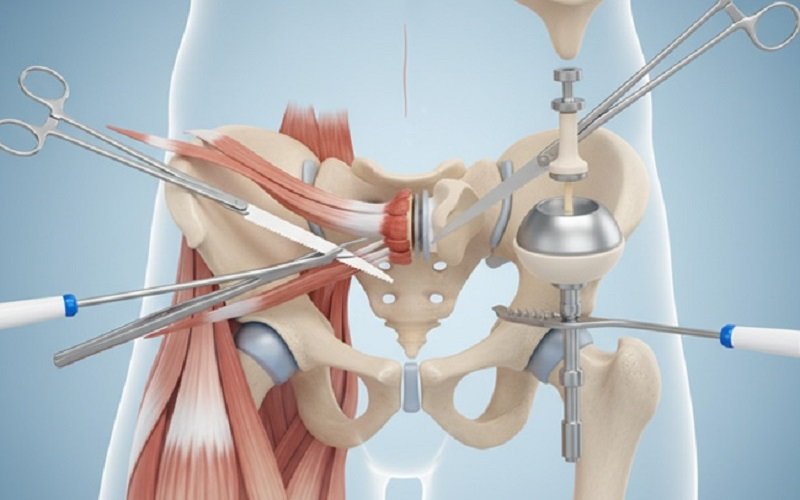
What is Hip Replacement Surgery?
Hip replacement surgery, also known as Total Hip Replacement (THR) or Hip Arthroplasty, involves replacing a damaged hip joint with high-quality artificial implants. The surgery removes the worn-out cartilage and damaged bone, replacing them with durable prosthetic components that restore smooth joint movement.
Who Needs Hip Replacement Surgery?
Hip replacement surgery is recommended for patients who experience persistent hip pain that limits daily activities despite conservative treatment.
Common conditions requiring hip replacement include:
- Osteoarthritis
- Rheumatoid Arthritis
- Avascular Necrosis (AVN)
- Hip Fractures
- Post-Traumatic Arthritis
- Hip Dysplasia
- Ankylosing Spondylitis
- Failed Previous Hip Surgery
- Severe Cartilage Damage
- Degenerative Hip Disease
Early evaluation helps prevent further joint deterioration and improves long-term surgical outcomes.
Symptoms of Hip Joint Damage
You should consult Dr. Sameer Chepurwar if you experience:
- Persistent hip pain
- Groin pain
- Pain while walking
- Difficulty climbing stairs
- Stiffness in the hip joint
- Reduced range of motion
- Pain during rest
- Difficulty standing from a chair
- Limping
- Hip swelling
- Night pain
- Difficulty wearing shoes or socks
- Pain radiating to the thigh or knee
Ignoring these symptoms may lead to worsening joint damage and reduced mobility.
Causes of Hip Joint Problems
Several conditions can damage the hip joint.
Common causes include:
- Age-related wear and tear
- Osteoarthritis
- Rheumatoid arthritis
- Hip fractures
- Sports injuries
- Trauma
- Obesity
- Steroid-induced avascular necrosis
- Congenital hip deformities
- Previous hip infections
Proper diagnosis identifies the exact cause and guides the most appropriate treatment.
Diagnosis of Hip Disorders
Dr. Sameer Chepurwar performs a detailed orthopedic evaluation before recommending surgery.
Diagnostic investigations may include:
- Medical history
- Physical examination
- Gait assessment
- Hip range of motion evaluation
- Digital X-rays
- MRI Scan
- CT Scan (when required)
- Blood investigations
- Bone density assessment (selected patients)
- Pre-anesthesia fitness evaluation
These investigations help determine the severity of joint damage and ensure accurate surgical planning.
Types of Hip Replacement Surgery
Depending on the patient’s condition, Dr. Sameer Chepurwar may recommend:
Total Hip Replacement (THR)
The entire damaged hip joint is replaced with artificial implants for long-lasting pain relief and improved mobility.
Partial Hip Replacement
Only the damaged part of the hip joint is replaced, commonly for certain hip fractures.
Revision Hip Replacement
Replacement of worn-out or failed hip implants from previous surgeries.
Cemented Hip Replacement
Suitable for patients with weaker bone quality.
Cementless Hip Replacement
Designed for younger, active patients with good bone strength.
Every treatment plan is customized according to the patient’s age, lifestyle, bone quality, and overall health.
Benefits of Hip Replacement Surgery
Modern hip replacement surgery offers numerous benefits.
These include:
- Significant pain relief
- Improved walking ability
- Better joint movement
- Increased independence
- Enhanced quality of life
- Improved posture and balance
- Better sleep quality
- Long-lasting implant performance
- Return to daily activities
- Improved confidence
Consequently, most patients experience remarkable improvement after rehabilitation.
Advanced Surgical Techniques
Dr. Sameer Chepurwar utilizes modern orthopedic techniques to maximize safety and recovery.
Advanced features include:
- Minimally invasive surgical approaches
- Precision implant positioning
- High-quality imported implants
- Blood conservation techniques
- Enhanced infection prevention protocols
- Personalized rehabilitation planning
These advanced techniques reduce tissue damage and support quicker recovery.
Recovery After Hip Replacement Surgery
Recovery is an essential part of successful hip replacement.
Most patients begin standing and walking with assistance within one or two days after surgery. Physiotherapy starts early to improve strength, flexibility, and balance.
Recovery recommendations include:
- Perform prescribed physiotherapy exercises.
- Walk regularly with support initially.
- Take medications as directed.
- Keep the surgical wound clean and dry.
- Avoid sitting for prolonged periods.
- Follow hip movement precautions.
- Maintain a healthy body weight.
- Attend scheduled follow-up visits.
Most patients resume normal daily activities within 6 to 12 weeks, while complete recovery continues over several months.