Dr. Sameer Chepurwar | Orthopedic & Joint Replacement Surgeon In Chandrapur
Comprehensive Geriatric Rehabilitation at Shri Sai Gajanan Hospital by Dr. Shweta Chepurwar
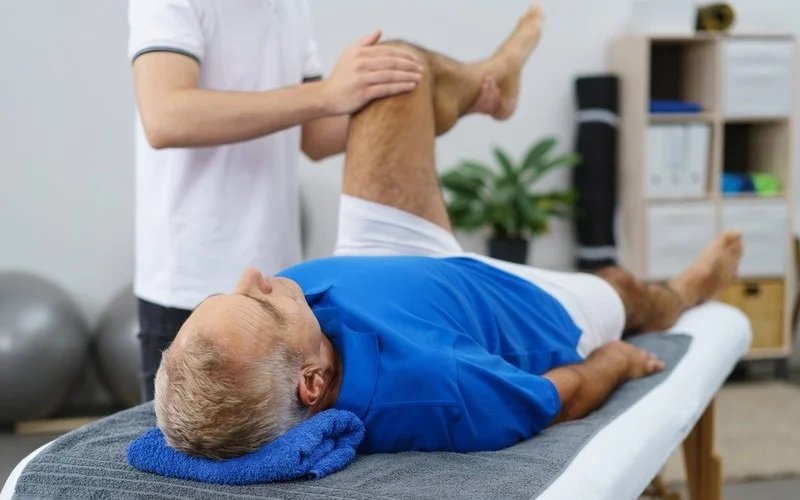
What is Geriatric Rehabilitation?
Who Can Benefit from Geriatric Rehabilitation?
Older adults experiencing the following conditions may benefit from rehabilitation:
- Stroke recovery
- Hip replacement surgery
- Knee replacement surgery
- Fractures
- Parkinson’s disease
- Arthritis
- Osteoporosis
- Balance disorders
- Walking difficulties
- Muscle weakness
- Joint stiffness
- Chronic back pain
- Neurological disorders
- Spinal conditions
- General age-related weakness
- Recovery after prolonged hospitalization
- Reduced mobility after illness
Early rehabilitation often leads to faster recovery and better long-term outcomes.
Signs That an Elderly Person May Need Rehabilitation
You should consider geriatric rehabilitation if an older adult experiences:
- Difficulty walking
- Frequent falls
- Poor balance
- Muscle weakness
- Difficulty climbing stairs
- Joint pain
- Reduced flexibility
- Difficulty standing from a chair
- Slow recovery after surgery
- Loss of independence
- Difficulty performing daily activities
- Fatigue during routine tasks
- Reduced endurance
- Fear of falling
Prompt rehabilitation helps restore mobility before the condition worsens.
Conditions Treated Through Geriatric Rehabilitation
Dr. Shweta Chepurwar provides rehabilitation for a wide range of age-related conditions, including:
- Stroke Rehabilitation
- Parkinson’s Disease Rehabilitation
- Arthritis Rehabilitation
- Osteoporosis Management
- Hip Fracture Rehabilitation
- Knee Replacement Rehabilitation
- Hip Replacement Rehabilitation
- Spine Rehabilitation
- Balance and Gait Disorders
- Fall Prevention Programs
- Neurological Rehabilitation
- Chronic Pain Management
- Muscle Weakness
- Age-Related Mobility Problems
- Post-Surgical Rehabilitation
Each treatment plan is individualized to meet the patient’s specific needs.
Comprehensive Geriatric Rehabilitation Services
At Shri Sai Gajanan Hospital, patients receive a multidisciplinary rehabilitation program that may include:
- Mobility Training : Exercises help improve walking ability, posture, coordination, and overall movement.
- Balance Training : Specialized balance exercises reduce the risk of falls and improve stability during daily activities.
- Strengthening Exercises : Targeted exercises increase muscle strength and improve functional independence.
- Joint Mobility Exercises : Gentle stretching and movement techniques improve flexibility while reducing stiffness.
- Pain Management : Therapeutic interventions help reduce chronic pain caused by arthritis, spinal disorders, and musculoskeletal conditions.
- Functional Training : Patients practice everyday activities such as walking, standing, dressing, climbing stairs, and transferring safely.
- Post-Surgical Rehabilitation : Structured rehabilitation supports faster recovery following orthopedic or neurological surgery.
- Fall Prevention Education ; Patients and caregivers receive practical guidance to minimize fall risks both at home and outdoors.
Benefits of Geriatric Rehabilitation
A structured rehabilitation program offers numerous health benefits.
These include:
- Improved mobility
- Better balance
- Increased muscle strength
- Reduced joint pain
- Enhanced flexibility
- Lower fall risk
- Faster recovery after surgery
- Greater independence
- Improved confidence
- Better posture
- Increased endurance
- Improved quality of life
Consequently, elderly individuals can enjoy safer and more active daily living.
Personalized Rehabilitation Approach
Dr. Shweta Chepurwar believes every elderly patient has unique rehabilitation needs. Therefore, treatment begins with a comprehensive assessment that includes:
- Medical history evaluation
- Physical examination
- Mobility assessment
- Balance testing
- Muscle strength evaluation
- Joint range of motion assessment
- Functional independence evaluation
- Pain assessment
- Fall risk screening
Based on these findings, an individualized rehabilitation program is developed to maximize recovery.
Recovery and Home Care Tips
Successful rehabilitation continues beyond the hospital.
Patients are encouraged to:
- Perform prescribed exercises regularly.
- Walk daily as advised.
- Eat a balanced, protein-rich diet.
- Stay hydrated.
- Take medications as prescribed.
- Use assistive devices correctly.
- Remove fall hazards from the home.
- Wear supportive footwear.
- Attend regular follow-up appointments.
Family involvement also plays an important role in supporting long-term recovery.
Tips for Healthy Aging
Maintaining an active lifestyle helps preserve strength and independence.
- Exercise regularly.
- Eat a nutritious diet.
- Stay physically active every day.
- Maintain a healthy body weight.
- Drink enough water.
- Get adequate sleep.
- Control diabetes and blood pressure.
- Avoid smoking and excessive alcohol.
- Schedule regular health check-ups.
- Seek early treatment for mobility problems.
Healthy habits help older adults remain independent for longer.