Dr. Sameer Chepurwar | Orthopedic & Joint Replacement Surgeon In Chandrapur
Comprehensive Arthritis Treatment in Chandrapur
If you are searching for Arthritis Treatment in Chandrapur, Shri Sai Gajanan Hospital | Dr. Chepurwar Orthopedic & Physiotherapy Center provides comprehensive orthopedic care for arthritis, joint pain, stiffness, swelling, and mobility problems. Under the guidance of Dr. Sameer Chepurwar, the center focuses on accurate diagnosis and personalized treatment according to the patient’s symptoms, joint condition, age, activity level, and overall health. Furthermore, physiotherapy and rehabilitation support from Dr. Shweta Chepurwar can help patients improve joint mobility, muscle strength, flexibility, balance, and everyday function.
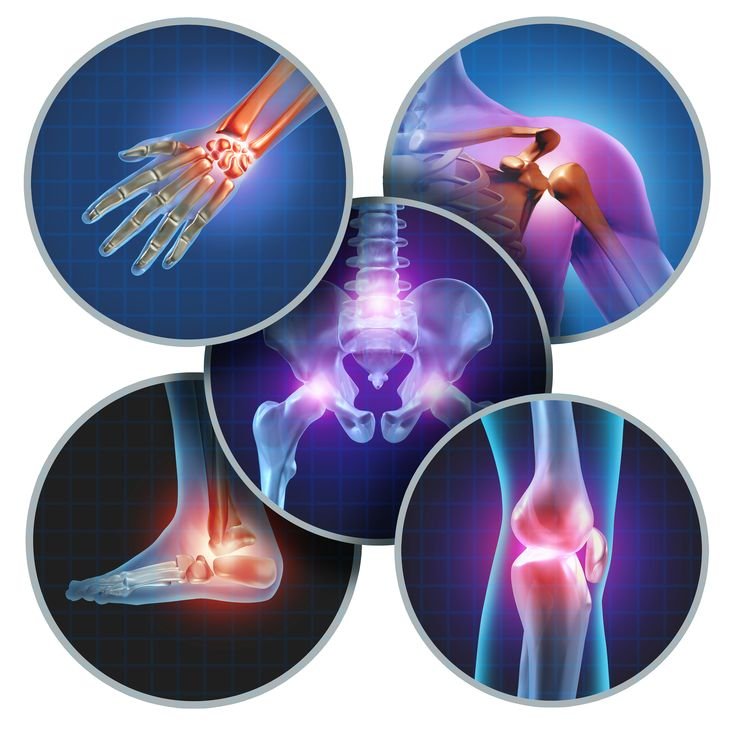
Arthritis can affect the knees, hips, shoulders, hands, wrists, ankles, and other joints. Moreover, persistent arthritis pain can make walking, climbing stairs, exercising, working, and performing household activities increasingly difficult. Therefore, timely orthopedic evaluation can help identify the underlying joint problem and determine an appropriate treatment approach.
What Is Arthritis?
Arthritis refers to conditions that affect the joints and can cause pain, stiffness, swelling, inflammation, and restricted movement.
Although arthritis commonly affects older adults, it can occur at different ages depending on the type and underlying cause. Furthermore, previous injuries, autoimmune conditions, metabolic problems, genetics, and joint wear can contribute to certain forms of arthritis.
The condition can affect one joint or several joints. For example, osteoarthritis commonly affects weight-bearing joints such as the knees and hips. On the other hand, inflammatory forms of arthritis can affect multiple joints and may cause prolonged stiffness and swelling.
Therefore, identifying the specific type of arthritis remains an important first step toward appropriate treatment.
Common Types of Arthritis
Different types of arthritis require different approaches. Therefore, an orthopedic specialist first evaluates the symptoms and underlying cause.
Osteoarthritis commonly develops when the protective cartilage within a joint gradually deteriorates. As a result, patients may experience pain, stiffness, reduced movement, and difficulty with activities such as walking or climbing stairs.
Rheumatoid arthritis is an autoimmune condition that can cause inflammation in multiple joints. Consequently, patients may experience swelling, stiffness, pain, and reduced function.
Post-traumatic arthritis can develop after a previous fracture, ligament injury, or significant joint trauma.
Other forms include gout, psoriatic arthritis, and ankylosing spondylitis. Therefore, patients should not assume that every joint problem represents ordinary age-related wear and tear.
Symptoms of Arthritis
Arthritis symptoms can develop gradually or appear more noticeably over time.
Common symptoms include joint pain, stiffness, swelling, tenderness, reduced range of motion, difficulty walking, and discomfort during physical activity.
Patients with knee arthritis may find it difficult to climb stairs, squat, stand for long periods, or walk longer distances. Similarly, hip arthritis can affect walking, sitting, standing, and other everyday movements.
Furthermore, some patients experience stiffness after periods of inactivity or in the morning. Advanced arthritis may also cause clicking, grinding sensations, muscle weakness, or changes in joint shape.
Therefore, persistent joint symptoms deserve professional evaluation rather than repeated self-treatment.
Causes and Risk Factors of Arthritis
Several factors can contribute to arthritis.
Age represents one important factor, particularly for osteoarthritis. However, age alone does not explain every case.
Previous injuries can also increase the risk of developing arthritis in an affected joint. Similarly, repetitive joint stress, excess body weight, genetic factors, bone or joint abnormalities, and certain metabolic conditions can contribute to joint problems.
Inflammatory arthritis can develop because of immune-system abnormalities. Moreover, certain forms of arthritis can result from crystal deposits or other underlying medical conditions.
Therefore, understanding the potential cause helps the orthopedic specialist select a more appropriate treatment strategy.
Arthritis Treatment in Chandrapur for Knee Pain
Knee arthritis represents one of the most common reasons people seek orthopedic care.
Knee arthritis can cause pain while walking, climbing stairs, standing, squatting, or exercising. Furthermore, advanced joint damage can significantly restrict mobility.
Treatment depends on the severity of symptoms and the amount of joint damage. Early or moderate cases may respond to lifestyle changes, physiotherapy, exercise, medications prescribed by a doctor, and other conservative measures.
However, advanced arthritis may require additional treatment. Depending on the patient’s condition, an orthopedic specialist may consider injections or joint replacement surgery.
Therefore, patients with persistent knee pain should undergo an appropriate orthopedic evaluation rather than assuming that surgery is immediately necessary.
Arthritis Treatment for Hip Pain
Hip arthritis can affect walking, standing, sitting, climbing stairs, and other daily activities.
Patients may experience pain around the hip, groin, thigh, or surrounding area. Moreover, stiffness can gradually reduce the range of motion.
Initially, doctors may recommend appropriate conservative treatment based on the patient’s condition. Physiotherapy can help maintain mobility and strengthen muscles around the affected joint.
However, advanced hip arthritis may cause persistent pain and significant functional limitations. In such cases, the orthopedic specialist may evaluate the patient for hip replacement surgery.
Therefore, early assessment can help patients understand the severity of the condition and explore appropriate treatment options.
Non-Surgical Arthritis Treatment
Many patients can manage arthritis symptoms with non-surgical treatment, particularly during earlier stages.
Depending on the condition, treatment may include doctor-prescribed medication, physiotherapy, exercise, weight management, activity modification, and lifestyle changes.
Physiotherapy can help strengthen the muscles surrounding an affected joint while improving flexibility, mobility, balance, and functional movement.
Moreover, maintaining a healthy body weight can reduce unnecessary stress on weight-bearing joints.
Patients should also follow their doctor’s advice regarding physical activity. Instead of completely avoiding movement, appropriate low-impact activities may help maintain joint function.
Therefore, a combination of medical management, physiotherapy, lifestyle changes, and appropriate exercise can support arthritis management.
Physiotherapy for Arthritis
Physiotherapy can play an important role in arthritis management.
When arthritis causes stiffness, weakness, or restricted movement, a physiotherapist can develop exercises according to the patient’s condition and physical abilities.
Treatment may focus on joint mobility, muscle strengthening, flexibility, balance, gait, and functional movement.
Furthermore, physiotherapy can help patients maintain physical activity while adapting exercises to their limitations.
At Dr. Chepurwar Orthopedic & Physiotherapy Center, physiotherapy and rehabilitation services complement orthopedic care.
Consequently, patients can receive both orthopedic evaluation and rehabilitation support when required.
Lifestyle Changes for Arthritis
Daily habits can influence how patients manage arthritis symptoms.
Maintaining a healthy weight can reduce stress on weight-bearing joints. Furthermore, regular appropriate physical activity can help maintain muscle strength and joint mobility.
Patients should also avoid prolonged inactivity whenever their medical condition allows movement. Instead, they can follow a suitable exercise routine recommended by their healthcare professional.
Supportive footwear can also help patients who experience foot, ankle, knee, or hip problems.
Moreover, patients should manage other health conditions according to their doctor’s advice.
Therefore, consistent lifestyle changes can complement medical and physiotherapy treatment.
When Does Arthritis Require Surgery?
Arthritis does not automatically require surgery.
Doctors generally consider surgery when advanced joint damage causes persistent pain, significant mobility limitations, and reduced quality of life despite appropriate non-surgical treatment.
The decision depends on several factors, including the severity of joint damage, symptoms, functional limitations, overall health, and response to previous treatment.
Therefore, patients should not delay evaluation when arthritis significantly interferes with daily life. At the same time, they should not assume that surgery represents the first treatment option.
An orthopedic consultation can help determine the most appropriate approach.
Joint Replacement Surgery for Advanced Arthritis
Advanced arthritis can severely damage the joint and cause persistent pain and restricted movement.
When conservative treatment no longer provides adequate relief, an orthopedic specialist may evaluate the patient for joint replacement.
Depending on the affected joint, procedures may include total knee replacement, total hip replacement, or shoulder replacement.
Joint replacement aims to remove the damaged joint surfaces and replace them with appropriate artificial components. Consequently, many suitable patients can experience improved mobility and reduced joint pain following successful recovery.
However, surgery represents a major treatment decision. Therefore, patients require a detailed orthopedic evaluation before proceeding.
Benefits of Early Arthritis Treatment
Early evaluation can provide several advantages.
First, it helps identify the underlying cause of joint pain. Next, it allows the doctor to recommend an appropriate treatment strategy before symptoms become more limiting.
Furthermore, early physiotherapy and lifestyle management may help patients maintain mobility and physical function.
Timely treatment can also help patients understand how to protect their joints and manage daily activities.
In advanced cases, early orthopedic assessment can help patients understand available surgical and non-surgical options.
Therefore, patients should seek professional advice when persistent joint pain or stiffness begins affecting everyday activities.
Why Choose Shri Sai Gajanan Hospital for Arthritis Treatment in Chandrapur?
Shri Sai Gajanan Hospital | Dr. Chepurwar Orthopedic & Physiotherapy Center provides orthopedic and physiotherapy services under one healthcare setting.
Dr. Sameer Chepurwar provides orthopedic care, while Dr. Shweta Chepurwar provides physiotherapy and rehabilitation support.
The hospital’s published arthritis treatment information includes evaluation, diagnostic investigations, physiotherapy, lifestyle management, joint injections when appropriate, and joint replacement for advanced arthritis.
Moreover, the combination of orthopedic care and physiotherapy can support patients at different stages of arthritis management.
Therefore, people searching for Arthritis Treatment in Chandrapur can seek professional evaluation to understand the cause of their joint pain and the treatment options available for their condition.
When Should You See an Orthopedic Doctor for Arthritis?
You should consider an orthopedic consultation when joint pain continues for several weeks, interferes with daily activities, or gradually becomes worse.
Furthermore, swelling, stiffness, reduced range of motion, difficulty walking, joint instability, or recurring pain during physical activity can warrant medical evaluation.
You should also seek professional advice if previous joint injuries continue to cause discomfort.
Therefore, persistent joint symptoms should not simply be attributed to aging. An orthopedic evaluation can help identify the underlying problem.
Frequently Asked Questions About Arthritis Treatment in Chandrapur
What is the best treatment for arthritis?
The best treatment depends on the type and severity of arthritis. Depending on the condition, treatment may include medication, physiotherapy, lifestyle changes, injections, minimally invasive procedures, or joint replacement surgery.
Can arthritis be cured permanently?
Some forms of arthritis can be managed effectively, while others involve long-term joint or inflammatory changes. Treatment aims to control symptoms, maintain function, and manage the underlying condition.
Can physiotherapy help arthritis?
Yes. Appropriate physiotherapy can help improve joint mobility, muscle strength, flexibility, balance, and functional movement.
Is knee replacement necessary for every patient with knee arthritis?
No. Many patients manage knee arthritis with non-surgical treatment. Doctors consider knee replacement when advanced joint damage causes significant symptoms and conservative treatment no longer provides adequate relief.
What are the common symptoms of arthritis?
Yes. The hospital provides orthopedic trauma and fracture management. The appropriate treatment depends on the type and severity of the fracture.
Can arthritis affect young people?
Yes. Although some forms of arthritis become more common with age, inflammatory arthritis, post-traumatic arthritis, and other forms can affect younger people.
Can weight loss help with knee arthritis?
Maintaining a healthy weight can reduce stress on weight-bearing joints. However, patients should discuss an appropriate weight-management and exercise plan with their healthcare professional.
When should I see an orthopedic doctor for joint pain?
You should consider an orthopedic consultation when joint pain persists, worsens, causes swelling or stiffness, restricts movement, or interferes with daily activities.
Can arthritis cause difficulty walking?
Yes. Arthritis affecting the knees, hips, ankles, or feet can cause pain, stiffness, weakness, and reduced mobility, which can make walking difficult.
Where can I get Arthritis Treatment in Chandrapur?
You can consult Shri Sai Gajanan Hospital | Dr. Chepurwar Orthopedic & Physiotherapy Center in Chandrapur for orthopedic evaluation, arthritis management, joint pain treatment, physiotherapy, and appropriate surgical care when required.
Book an Appointment for Arthritis Treatment in Chandrapur
If arthritis pain is affecting your walking, mobility, work, exercise, or daily activities, consider seeking professional orthopedic evaluation.
At Shri Sai Gajanan Hospital | Dr. Chepurwar Orthopedic & Physiotherapy Center, patients can receive assessment and treatment for arthritis and joint pain. The hospital provides orthopedic care along with physiotherapy and rehabilitation support.
Dr. Sameer Chepurwar provides orthopedic evaluation and treatment, while Dr. Shweta Chepurwar provides physiotherapy and rehabilitation services.
Therefore, if you are searching for Arthritis Treatment in Chandrapur, consult the orthopedic team to understand the cause of your symptoms and identify an appropriate treatment plan.