Dr. Sameer Chepurwar | Orthopedic & Joint Replacement Surgeon In Chandrapur

Hip Replacement Surgeon in Gadchiroli – Dr. Sameer Chepurwar
If you are searching for a Hip Replacement Surgeon in Gadchiroli, choosing an experienced orthopedic specialist can help you understand the cause of persistent hip pain and determine the most suitable treatment. Hip problems can make walking, sitting, climbing stairs, standing, sleeping, and performing everyday activities increasingly difficult. Therefore, timely orthopedic evaluation can help identify the underlying condition before it significantly affects mobility and quality of life.
Hip pain can occur because of osteoarthritis, rheumatoid arthritis, avascular necrosis, hip fractures, previous injuries, cartilage damage, developmental conditions, or age-related joint degeneration. Initially, doctors may recommend medication, physiotherapy, exercises, activity modification, weight management, or other conservative treatments. However, severe joint damage may continue to cause pain and restricted movement despite appropriate non-surgical care.
A Hip Replacement Surgeon in Gadchiroli evaluates the patient’s symptoms, medical history, physical condition, imaging reports, and response to previous treatment before recommending surgery. Therefore, patients should undergo a detailed orthopedic consultation before deciding whether hip replacement is appropriate for their condition.
Why Choose a Hip Replacement Surgeon in Gadchiroli?
Choosing the right Hip Replacement Surgeon in Gadchiroli is important when hip pain begins to interfere with your normal routine. An experienced orthopedic specialist can assess the condition of the hip joint and explain whether conservative treatment or surgery may provide better results.
During an orthopedic consultation, the surgeon reviews your symptoms and medical history. The doctor may ask when the pain started, what activities increase the pain, whether you experience stiffness, and how the condition affects walking or sleeping.
Furthermore, the surgeon examines hip movement, strength, stability, gait, and tenderness. Imaging such as X-rays can help identify joint-space narrowing, cartilage loss, bone changes, fractures, or other structural abnormalities.
Therefore, patients should consider qualifications, relevant orthopedic experience, treatment expertise, hospital facilities, diagnostic support, rehabilitation services, and follow-up care when selecting a hip replacement specialist.
What Is Hip Replacement Surgery?
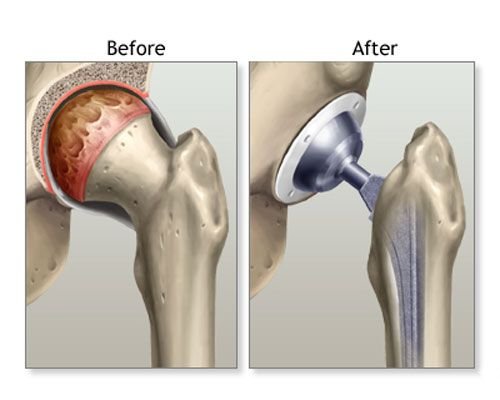
Hip replacement surgery, also called hip arthroplasty, involves replacing damaged portions of the hip joint with artificial components. Surgeons consider the procedure for selected patients who have severe joint damage and persistent symptoms.
The hip is a ball-and-socket joint. The rounded head of the thigh bone fits into the socket of the pelvis, while smooth cartilage allows the joint to move comfortably. However, arthritis, trauma, avascular necrosis, and other conditions can damage this cartilage and underlying bone.
As the joint deteriorates, patients may develop pain, stiffness, reduced movement, and difficulty walking. During hip replacement, the surgeon removes damaged joint surfaces and places suitable artificial components.
The exact procedure depends on the patient’s condition, anatomy, age, activity level, bone quality, and overall health. Therefore, the surgeon must perform a detailed assessment before recommending a particular approach.
When Should You See a Hip Replacement Surgeon in Gadchiroli?
You should consider consulting a Hip Replacement Surgeon in Gadchiroli when hip pain becomes persistent, severe, or disruptive to everyday activities.
For example, you may experience difficulty walking long distances, climbing stairs, getting out of a chair, putting on footwear, or standing for extended periods. Furthermore, some patients experience increasing stiffness after sitting or pain that affects their sleep.
Other warning signs can include reduced hip movement, limping, persistent groin pain, difficulty bearing weight, and increasing dependence on support while walking.
However, these symptoms do not automatically mean that you need hip replacement surgery. Several hip conditions can improve with appropriate non-surgical treatment.
Therefore, an orthopedic consultation can help identify the cause of your symptoms and determine the most suitable treatment.
Common Causes of Hip Problems
Several conditions can damage the hip joint and eventually lead to severe pain.
Osteoarthritis is one of the most common causes of progressive hip joint degeneration. It can gradually reduce cartilage and increase friction between the joint surfaces.
Rheumatoid arthritis can also cause inflammation and joint damage. Furthermore, avascular necrosis can reduce the blood supply to the femoral head and eventually cause bone collapse.
Hip fractures can also severely affect joint function, particularly in older adults. Previous injuries, congenital hip abnormalities, and certain medical conditions can contribute to long-term hip problems.
Therefore, identifying the exact cause remains an important first step before considering hip replacement.
Hip Arthritis Treatment in Gadchiroli
Hip arthritis can gradually cause pain, stiffness, and reduced mobility. Initially, symptoms may appear only after prolonged walking or physical activity. However, advanced arthritis can cause pain during routine movements and even while resting.
Treatment depends on the severity of arthritis and the patient’s individual circumstances.
Doctors may initially recommend physiotherapy, appropriate exercises, medication, weight management, activity modification, or other conservative approaches.
Physiotherapy can help improve muscle strength, flexibility, balance, and functional movement. Furthermore, maintaining an appropriate body weight can reduce stress on weight-bearing joints.
However, advanced arthritis may continue to cause significant symptoms despite conservative treatment. In such cases, a Hip Replacement Surgeon in Gadchiroli may evaluate whether hip replacement could provide an appropriate solution.
Symptoms of Severe Hip Joint Damage
Recognizing progressive hip symptoms can help patients seek treatment at the appropriate time.
Common symptoms include persistent hip or groin pain, stiffness, reduced range of motion, difficulty walking, limping, and difficulty climbing stairs.
Some patients also experience pain while getting out of a chair or getting into and out of a vehicle.
As the condition progresses, patients may reduce their physical activity because movement becomes uncomfortable. Consequently, muscle weakness and reduced fitness can further affect mobility.
Furthermore, severe hip arthritis can interfere with sleep and everyday independence.
Therefore, patients experiencing persistent or worsening symptoms should seek an orthopedic evaluation instead of relying on self-treatment for an extended period.
Diagnosis Before Hip Replacement Surgery
Accurate diagnosis plays a crucial role in determining whether hip replacement is appropriate.
During the consultation, the orthopedic surgeon reviews your symptoms, previous injuries, medical conditions, medications, previous treatments, and activity level.
Next, the doctor examines hip movement, muscle strength, gait, tenderness, and functional limitations.
X-rays can help evaluate joint-space narrowing, bone changes, alignment, and other signs of joint degeneration. Depending on the suspected condition, the doctor may recommend additional imaging or investigations.
Furthermore, the surgeon considers your general health and surgical fitness before recommending a major procedure.
Therefore, patients should complete the recommended diagnostic evaluation before making a decision about hip replacement.
When Is Hip Replacement Surgery Recommended?
Hip replacement may become an option when severe hip joint damage causes persistent pain and significant functional limitations.
Doctors generally consider surgery after evaluating the patient’s response to appropriate non-surgical treatment. If physiotherapy, exercises, medication, activity modification, and other measures fail to provide sufficient relief, the surgeon may discuss replacement surgery.
Patients may also require surgical evaluation when advanced arthritis significantly limits walking, sleeping, working, exercising, or performing daily activities.
However, the decision does not depend on age alone. The surgeon considers symptoms, joint damage, general health, functional requirements, and treatment response.
Therefore, patients should discuss their individual condition with an orthopedic specialist before deciding on surgery.
Total Hip Replacement Surgery
Total hip replacement involves replacing the damaged ball and socket of the hip joint with artificial components.
During the procedure, the surgeon removes the damaged femoral head and prepares the socket for the artificial component. The surgeon then places suitable prosthetic components to restore the structure and function of the joint.
The exact implant and surgical technique depend on several factors, including the patient’s anatomy, bone quality, age, activity level, and medical condition.
Furthermore, successful treatment involves more than the operation itself. Pre-operative assessment, surgical planning, post-operative care, physiotherapy, and follow-up all contribute to the overall recovery process.
Therefore, patients should understand the complete treatment journey before undergoing hip replacement.
Hip Replacement for Osteoarthritis
Osteoarthritis can progressively damage the hip joint and cause severe pain.
Patients may initially notice discomfort while walking or exercising. However, symptoms can gradually become more frequent and interfere with routine activities.
Advanced osteoarthritis may cause severe stiffness, reduced movement, limping, and pain during rest.
Initially, doctors may recommend conservative management. However, when joint damage becomes advanced and symptoms remain significant despite appropriate treatment, hip replacement can become an option for selected patients.
Therefore, patients with advanced hip osteoarthritis should consult a qualified orthopedic specialist to understand whether surgery may be appropriate.
Hip Replacement for Avascular Necrosis
Avascular necrosis occurs when reduced blood supply damages bone tissue. The condition can affect the femoral head and may eventually cause structural collapse.
Patients can experience hip or groin pain, stiffness, and difficulty walking.
Treatment depends on the stage and severity of the condition. Early-stage disease may have different treatment options compared with advanced bone collapse.
When significant joint damage develops, hip replacement may become a surgical option.
Therefore, patients diagnosed with avascular necrosis should receive specialist orthopedic evaluation and regular monitoring.
Hip Replacement After a Fracture
Hip fractures can cause significant pain and mobility limitations, particularly among older adults.
A fracture involving the hip can require urgent medical assessment because delayed treatment can increase the risk of complications associated with prolonged immobility.
Depending on the location and severity of the fracture, doctors may consider fixation or hip replacement.
The choice depends on factors such as fracture type, bone quality, age, general health, and pre-existing arthritis.
Therefore, patients with suspected hip fractures should seek prompt orthopedic care rather than delaying evaluation.
Minimally Invasive Hip Replacement
Some orthopedic surgeons use minimally invasive approaches for selected hip replacement patients.
These techniques aim to reduce disruption to surrounding tissues while allowing the surgeon to replace the damaged joint.
However, the suitability of a minimally invasive approach depends on the patient’s anatomy, diagnosis, surgical history, and other factors.
Patients should not choose a surgical approach solely because it sounds less invasive.
Instead, they should ask their orthopedic surgeon which technique provides the most appropriate balance of safety and effectiveness for their specific condition.
Recovery After Hip Replacement Surgery
Recovery after hip replacement takes place gradually.
Initially, patients may require assistance with walking and everyday activities. The medical and physiotherapy team then introduces appropriate exercises and mobility training.
As recovery progresses, physiotherapy can focus on improving muscle strength, balance, flexibility, walking ability, and functional independence.
Furthermore, patients should follow instructions regarding medication, wound care, movement restrictions, exercises, and follow-up appointments.
Recovery varies between patients. Some individuals progress quickly, while others require additional rehabilitation because of age, muscle weakness, medical conditions, or the complexity of their condition.
Therefore, patients should focus on gradual progress and follow their healthcare team’s instructions.
Lifestyle Changes After Hip Replacement
Healthy lifestyle habits can support long-term mobility after hip replacement.
Patients should gradually increase physical activity according to their surgeon’s recommendations. Low-impact activities can help maintain strength and cardiovascular fitness.
Furthermore, maintaining a healthy weight can reduce stress on the hip and other weight-bearing joints.
Patients should also continue appropriate strengthening and flexibility exercises after completing formal rehabilitation.
However, demanding activities and high-impact sports may not suit every patient. Therefore, patients should discuss their preferred activities with their orthopedic specialist before returning to them.
Why Choose a Hip Replacement Surgeon in Gadchiroli?
An experienced Hip Replacement Surgeon in Gadchiroli can provide structured care from diagnosis and treatment planning through surgery and rehabilitation when required.
Patients should consider the surgeon’s orthopedic qualifications, experience with hip conditions, joint replacement expertise, hospital facilities, diagnostic support, and rehabilitation services.
Local sources identify orthopedic specialists and hospitals providing hip joint replacement services in Gadchiroli. For example, Nobel Multispecialty Hospital lists hip joint replacement among its orthopedic services, while other local orthopedic providers advertise hip and joint replacement care.
Government Medical College, Gadchiroli also lists joint replacement facilities within its orthopedics department.
Therefore, patients should compare relevant qualifications, experience, treatment facilities, accessibility, and follow-up support before choosing a specialist.
How to Choose the Right Hip Replacement Surgeon in Gadchiroli
Choosing the right Hip Replacement Surgeon in Gadchiroli requires careful consideration.
First, evaluate the surgeon’s orthopedic qualifications and experience. Next, consider specific expertise in hip replacement, arthritis, fractures, avascular necrosis, and other hip conditions.
Furthermore, check whether the hospital provides appropriate diagnostic services, operating facilities, physiotherapy, rehabilitation, emergency support, and follow-up care.
During your consultation, ask about your diagnosis, treatment alternatives, expected recovery, implant options, possible complications, and rehabilitation requirements.
Therefore, an informed consultation can help you make a decision based on your individual medical needs.
Frequently Asked Questions About Hip Replacement Surgeon in Gadchiroli
Who is a Hip Replacement Surgeon in Gadchiroli?
A Hip Replacement Surgeon in Gadchiroli is an orthopedic specialist who evaluates serious hip conditions and performs or recommends hip replacement surgery when the procedure becomes appropriate for a patient.
When should I consult a Hip Replacement Surgeon in Gadchiroli?
You should consider consultation when persistent hip pain, stiffness, reduced movement, limping, or difficulty walking continues despite appropriate conservative treatment.
Does every patient with hip arthritis need replacement?
No. Many patients can initially manage hip arthritis with physiotherapy, exercise, medication, activity modification, and other conservative approaches. Replacement becomes an option for selected patients with advanced joint damage and significant symptoms.
What are the signs that I may need hip replacement?
Persistent hip or groin pain, severe stiffness, difficulty walking, reduced range of motion, difficulty climbing stairs, pain during rest, and failure of conservative treatment can indicate the need for a surgical evaluation.
What is total hip replacement?
Total hip replacement replaces the damaged ball and socket of the hip joint with artificial components. Surgeons consider it for appropriately selected patients with severe joint damage.
Can avascular necrosis require hip replacement?
Yes. Advanced avascular necrosis can damage and collapse the femoral head. Depending on the stage and severity, hip replacement may become an appropriate treatment option.
How long does recovery after hip replacement take?
Recovery varies from person to person. Age, general health, muscle strength, surgical technique, rehabilitation, and the underlying condition can influence recovery.
Is physiotherapy necessary after hip replacement?
Physiotherapy commonly forms an important part of rehabilitation. It can help improve strength, balance, walking ability, flexibility, and functional movement.
Is hip replacement safe?
Hip replacement is a commonly performed orthopedic procedure, but it involves potential risks like any major surgery. Your surgeon should assess your individual health and explain the potential benefits and risks before treatment.
How do I choose the best Hip Replacement Surgeon in Gadchiroli?
Consider orthopedic qualifications, relevant hip replacement experience, hospital facilities, diagnostic support, rehabilitation services, communication, and follow-up care. Choose a specialist based on your individual medical requirements rather than relying only on online rankings.
Book a Consultation With a Hip Replacement Surgeon in Gadchiroli
If persistent hip pain is affecting your walking, sleep, work, exercise, or independence, consider consulting a Hip Replacement Surgeon in Gadchiroli.
An orthopedic specialist can evaluate your symptoms, examine the hip joint, review diagnostic findings, and determine whether conservative treatment or hip replacement may be appropriate.
Patients should not assume that every case of hip pain requires surgery. Instead, they should receive an accurate diagnosis and discuss all suitable treatment options.
Furthermore, patients considering hip replacement should ask about the surgical procedure, implant options, recovery process, physiotherapy, possible risks, and follow-up schedule.
Therefore, a professional orthopedic consultation represents an important first step toward managing severe hip problems.