Dr. Sameer Chepurwar | Orthopedic & Joint Replacement Surgeon In Chandrapur

Knee Replacement Surgeon in Gadchiroli – Dr. Sameer Chepurwar
If you are searching for a Knee Replacement Surgeon in Gadchiroli, choosing an experienced orthopedic specialist can help you understand the cause of your knee pain and determine whether knee replacement surgery is appropriate for your condition. Severe arthritis, cartilage damage, previous injuries, fractures, and age-related joint degeneration can gradually affect the knee and make everyday movement increasingly difficult.
Knee pain can interfere with walking, climbing stairs, standing, sitting, exercising, working, and sleeping. Initially, doctors may recommend non-surgical treatments such as physiotherapy, exercises, medication, weight management, and activity modification. However, when advanced knee damage continues to cause severe pain and restricted mobility despite appropriate treatment, knee replacement may become an option.
A Knee Replacement Surgeon in Gadchiroli evaluates the patient’s symptoms, medical history, physical condition, imaging reports, and treatment response before recommending surgery. Therefore, a detailed orthopedic consultation remains essential before making any decision about knee replacement.
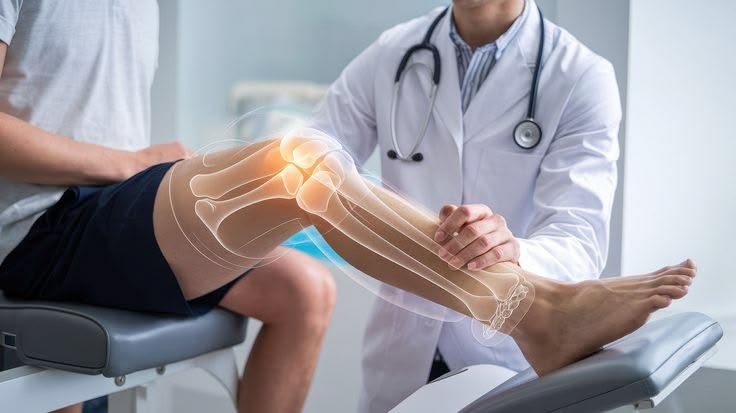
Why Consult a Knee Replacement Surgeon in Gadchiroli?
Choosing the right Knee Replacement Surgeon in Gadchiroli can make an important difference in understanding your treatment options.
A specialist evaluates the severity of knee damage instead of recommending surgery solely because of pain. The doctor first identifies the underlying cause and determines whether conservative treatment can still provide meaningful improvement.
Furthermore, the surgeon considers your age, activity level, general health, knee alignment, joint damage, previous treatments, and functional limitations.
If non-surgical treatment continues to provide adequate relief, surgery may not be necessary. However, if severe joint degeneration significantly affects your quality of life, the surgeon may discuss knee replacement.
Therefore, a specialist consultation helps you understand both surgical and non-surgical treatment options before making an informed decision.
What Is Knee Replacement Surgery?
Knee replacement surgery, also called knee arthroplasty, involves replacing damaged portions of the knee joint with artificial components.
A healthy knee contains cartilage that allows the bones to move smoothly. However, arthritis and other conditions can gradually damage this cartilage. As the protective surface wears away, the bones can experience increased friction, which may result in pain, stiffness, swelling, and reduced movement.
During knee replacement surgery, the surgeon removes the damaged joint surfaces and places suitable prosthetic components.
The exact procedure depends on the patient’s knee condition. Some patients may require total knee replacement, while others may qualify for partial knee replacement.
Therefore, an orthopedic surgeon must evaluate the extent of joint damage before recommending a particular procedure.
When Should You See a Knee Replacement Surgeon in Gadchiroli?
You should consider consulting a Knee Replacement Surgeon in Gadchiroli when knee pain becomes persistent or starts interfering with your normal activities.
For example, you may find it increasingly difficult to walk, climb stairs, stand for long periods, sit comfortably, or participate in activities that you previously enjoyed. Furthermore, pain that continues at night or while resting can indicate significant joint problems that require professional evaluation.
Other symptoms include recurring swelling, stiffness, reduced range of motion, knee instability, grinding sensations, and difficulty putting weight on the affected leg.
However, these symptoms do not automatically mean that you need knee replacement surgery. Many patients can manage orthopedic conditions with appropriate conservative treatment.
Therefore, an orthopedic consultation can help determine the severity of your knee problem and identify the most appropriate next step.
Causes of Knee Damage That May Require Replacement
Several conditions can gradually damage the knee joint.
Osteoarthritis represents one of the most common causes. Over time, cartilage can wear down and cause increasing friction between the bones. Consequently, patients may experience pain, stiffness, swelling, and reduced mobility.
Rheumatoid arthritis can also cause inflammation and progressive joint damage. Furthermore, previous fractures, ligament injuries, cartilage injuries, and other trauma can contribute to long-term knee problems.
Post-traumatic arthritis can develop years after a significant knee injury. In addition, certain structural abnormalities can place abnormal stress on the joint and contribute to degeneration.
Age can increase the likelihood of degenerative joint changes, although severe knee problems can affect younger patients as well.
Therefore, the orthopedic surgeon needs to identify the underlying cause before recommending knee replacement.
Symptoms of Severe Knee Arthritis
Severe knee arthritis can gradually affect almost every aspect of daily movement.
Patients may initially notice pain after prolonged walking or physical activity. However, symptoms can become more frequent as joint degeneration progresses.
Common symptoms include persistent knee pain, stiffness after sitting, swelling, reduced flexibility, difficulty climbing stairs, difficulty squatting, and discomfort while walking.
Some patients also experience grinding, clicking, or a feeling that the knee may give way. Moreover, advanced arthritis can cause pain during rest or sleep.
When these symptoms begin to affect work, exercise, household activities, or independence, an orthopedic evaluation becomes increasingly important.
Therefore, patients should seek professional advice rather than continuing to tolerate worsening symptoms for years.
Knee Arthritis Treatment in Gadchiroli
Treatment for knee arthritis depends on the severity of joint damage and the patient’s symptoms.
In the early stages, doctors may recommend conservative approaches. These can include appropriate exercises, physiotherapy, weight management, activity modification, and medication prescribed according to the patient’s condition.
Physiotherapy can help strengthen the muscles surrounding the knee and improve flexibility, balance, and functional movement. Furthermore, maintaining an appropriate body weight can reduce stress on weight-bearing joints.
However, advanced arthritis can continue to cause significant pain despite these measures. When conservative treatment no longer provides adequate relief and imaging shows severe joint damage, the orthopedic surgeon may discuss surgical options.
Therefore, patients should undergo periodic evaluation when arthritis symptoms continue or worsen.
How Is Knee Replacement Diagnosed?
Before recommending knee replacement, the orthopedic surgeon performs a detailed evaluation.
The process generally begins with a discussion about symptoms, previous injuries, medical conditions, medications, physical activity, and previous treatments.
Next, the surgeon performs a physical examination. This assessment may include knee movement, muscle strength, alignment, tenderness, swelling, stability, and walking pattern.
X-rays can help the surgeon assess joint-space narrowing, bone changes, alignment, and other signs of advanced arthritis. Depending on the patient’s condition, the doctor may recommend additional investigations.
Furthermore, the surgeon considers the patient’s overall health and surgical fitness.
Therefore, knee replacement should follow a complete diagnostic assessment rather than relying on symptoms alone.
When Is Knee Replacement Surgery Recommended?
Knee replacement may become appropriate when severe joint damage causes persistent pain and significant functional limitations.
Doctors generally consider surgery after evaluating the patient’s response to non-surgical treatments. If physiotherapy, exercises, medication, lifestyle changes, and other suitable measures fail to provide sufficient improvement, the surgeon may discuss replacement surgery.
Patients may also require evaluation when severe joint deformity, advanced cartilage loss, significant mobility limitations, or persistent pain affects everyday life.
However, age alone does not determine whether a patient requires knee replacement. Instead, the surgeon considers joint damage, symptoms, overall health, functional needs, and treatment response.
Therefore, patients should discuss their individual circumstances with an orthopedic specialist before making a decision.
Types of Knee Replacement Surgery
Knee replacement surgery can take different forms depending on the extent and location of joint damage.
Total Knee Replacement
Total knee replacement involves replacing the damaged surfaces of the knee joint. Doctors commonly consider this approach when arthritis has affected multiple compartments of the knee.
Partial Knee Replacement
Partial knee replacement may suit selected patients whose arthritis affects only one compartment of the knee and who meet other clinical criteria.
Bilateral Knee Replacement
Some patients have severe arthritis affecting both knees. Depending on their health and individual circumstances, the surgeon may discuss treatment options for both knees.
Revision Knee Replacement
Revision surgery addresses certain problems involving a previous knee replacement. It requires careful assessment because the surgeon must evaluate the existing implant, bone condition, and surrounding tissues.
Therefore, the appropriate procedure depends on the patient’s diagnosis and individual anatomy.
Benefits of Knee Replacement Surgery
For appropriately selected patients, knee replacement can help reduce pain and improve functional mobility.
Patients may find everyday activities easier after successful recovery. Walking, standing, climbing stairs, and performing household activities can become more manageable.
Furthermore, reducing severe joint pain can allow patients to participate in appropriate physical activities and rehabilitation exercises.
However, surgery does not guarantee identical results for every patient. Recovery depends on several factors, including overall health, muscle strength, joint condition, surgical procedure, rehabilitation, and adherence to medical advice.
Therefore, patients should maintain realistic expectations and understand that recovery requires active participation.
Recovery After Knee Replacement Surgery
Recovery begins immediately after surgery and progresses gradually.
Initially, patients may need assistance with movement and walking. The rehabilitation team then introduces appropriate exercises and mobility training according to the surgeon’s instructions.
As recovery progresses, physiotherapy can focus on improving knee movement, muscle strength, balance, walking ability, and functional activities.
Furthermore, patients should follow instructions regarding wound care, medication, exercises, activity restrictions, and follow-up appointments.
Recovery time differs from one patient to another. Some patients progress faster, while others require additional rehabilitation because of age, muscle weakness, medical conditions, or the complexity of surgery.
Therefore, patients should focus on consistent progress rather than comparing their recovery with another person’s experience.
Physiotherapy After Knee Replacement
Physiotherapy plays a major role in many knee replacement recovery programs.
After surgery, patients may experience stiffness, swelling, muscle weakness, and reduced knee movement. A physiotherapist can guide them through exercises designed to restore mobility and strength.
Rehabilitation may include range-of-motion exercises, strengthening exercises, gait training, balance work, flexibility exercises, and functional training.
Furthermore, physiotherapy helps patients gradually regain confidence while walking and performing daily activities.
Patients should follow the rehabilitation program recommended by their orthopedic and physiotherapy team. They should also avoid performing exercises or activities that their medical team has not approved.
Therefore, consistent rehabilitation can support functional recovery after knee replacement.
Lifestyle Changes After Knee Replacement
Lifestyle habits can influence long-term joint health and physical function.
Patients should gradually increase physical activity according to their surgeon’s advice. Low-impact activities may provide a suitable way to maintain mobility and general fitness.
Furthermore, maintaining a healthy weight can reduce unnecessary stress on the knee and other weight-bearing joints.
Patients should also continue appropriate strengthening and flexibility exercises after completing formal rehabilitation.
However, high-impact activities may not suit every patient after knee replacement. Therefore, patients should discuss sports, running, heavy lifting, and other demanding activities with their orthopedic specialist.
A balanced approach can help patients protect their joint function while remaining physically active.
Knee Replacement Surgery for Older Adults
Knee arthritis becomes increasingly common with age, and many older adults experience progressive knee pain and mobility limitations.
However, doctors do not recommend knee replacement based on age alone. Instead, they consider symptoms, joint damage, overall health, physical activity, independence, and response to previous treatment.
Older adults may also have conditions such as diabetes, hypertension, heart disease, or other medical issues. Therefore, the surgical team may conduct additional medical assessments before surgery.
Furthermore, post-operative rehabilitation should match the patient’s physical abilities and overall health.
Consequently, older adults can benefit from a carefully planned treatment pathway that considers both orthopedic and general health needs.
Why Choose an Experienced Knee Replacement Surgeon in Gadchiroli?
An experienced Knee Replacement Surgeon in Gadchiroli can provide a structured evaluation from diagnosis through treatment planning and rehabilitation.
Patients should look for appropriate orthopedic qualifications, experience with knee conditions, familiarity with replacement procedures, and access to suitable surgical and diagnostic facilities.
Gadchiroli’s Government Medical College reports that its orthopedic department has facilities including an orthopedic OPD, operation theatre, fracture management facilities, rehabilitation and physiotherapy services, arthroscopy and joint replacement facilities, and trauma and emergency orthopedic services.
Private orthopedic providers in the area also advertise joint replacement and knee replacement services. For example, local specialist websites describe knee and hip replacement expertise and orthopedic surgical services in the Gadchiroli area.
Therefore, patients should compare the surgeon’s qualifications, experience, treatment approach, facilities, rehabilitation support, and accessibility before selecting a provider.
When to Seek Orthopedic Evaluation for Knee Pain
You should seek orthopedic evaluation if knee pain persists, repeatedly returns, or increasingly affects your daily activities.
You should also consider consultation when you experience swelling, stiffness, reduced movement, instability, difficulty bearing weight, or pain during rest.
After a significant injury, prompt assessment becomes especially important because fractures, ligament injuries, cartilage damage, or other structural problems may require specific treatment.
Furthermore, delaying evaluation can allow some conditions to worsen or prolong functional limitations.
Therefore, early orthopedic assessment can help identify the cause of knee pain and guide appropriate treatment.
Frequently Asked Questions About a Knee Replacement Surgeon in Gadchiroli
Who is a Knee Replacement Surgeon in Gadchiroli?
A Knee Replacement Surgeon in Gadchiroli is an orthopedic specialist who evaluates severe knee conditions and performs knee replacement procedures when surgery becomes appropriate for a patient.
When should I consult a Knee Replacement Surgeon in Gadchiroli?
You should consider consultation when persistent knee pain, stiffness, swelling, reduced movement, or difficulty walking continues despite appropriate conservative treatment.
When should I visit an orthopedic doctor?
You should consider an orthopedic consultation if you have persistent joint pain, swelling, restricted movement, recurring injuries, difficulty walking, or pain following an accident or sports injury.
Does every patient with knee arthritis need replacement?
No. Many patients can manage arthritis with physiotherapy, exercises, medication, lifestyle changes, and other non-surgical treatments. Knee replacement becomes an option for selected patients with advanced joint damage and significant symptoms.
Does Shri Sai Gajanan Hospital provide fracture treatment?
Yes. The hospital provides orthopedic trauma and fracture management. The appropriate treatment depends on the type and severity of the fracture.
Can I consult an orthopedic doctor for sports injuries?
Yes. Sports injuries can affect muscles, tendons, ligaments, and joints. An orthopedic evaluation can help identify the injury and determine an appropriate treatment and rehabilitation plan.
What are the signs that knee replacement may be necessary?
Persistent pain, severe stiffness, significant loss of movement, difficulty walking, joint deformity, pain at rest, and failure of conservative treatment can indicate the need for surgical evaluation.
What is the difference between total and partial knee replacement?
Total knee replacement replaces damaged surfaces across the knee joint, while partial knee replacement addresses damage limited to a specific compartment in appropriately selected patients.
How long does recovery after knee replacement take?
Recovery varies between individuals. Age, general health, muscle strength, surgical technique, joint condition, and participation in rehabilitation can all influence recovery.
Can knee replacement completely eliminate knee pain?
Knee replacement aims to reduce pain caused by severe joint damage and improve function. However, individual outcomes vary, and patients should discuss realistic expectations with their orthopedic surgeon.
Book a Consultation With a Knee Replacement Surgeon in Gadchiroli
If chronic knee pain is affecting your walking, work, sleep, exercise, or everyday independence, consider consulting a Knee Replacement Surgeon in Gadchiroli.
A specialist can evaluate your symptoms, examine the knee, review diagnostic findings, and determine whether conservative treatment or surgical intervention may be appropriate.
Patients should not assume that every painful knee requires replacement. Instead, they should receive an individualized diagnosis and discuss all suitable treatment options.
Furthermore, patients considering surgery should ask about the procedure, implant options, rehabilitation, recovery expectations, possible complications, and follow-up care.
Therefore, a professional orthopedic consultation represents an important first step toward managing severe knee problems.