Dr. Sameer Chepurwar | Orthopedic & Joint Replacement Surgeon In Chandrapur

Hip Replacement Surgeon in Kagaznagar – Dr. Sameer Chepurwar
If you are searching for an experienced Hip Replacement Surgeon in Kagaznagar, Shri Sai Gajanan Hospital | Dr. Chepurwar Orthopedic & Physiotherapy Center provides comprehensive orthopedic evaluation, hip pain management, and surgical care for patients who require hip replacement. Led by Dr. Sameer Chepurwar, Orthopedic Surgeon, the center focuses on diagnosing hip conditions and recommending treatment according to the patient’s symptoms, joint damage, age, activity level, and overall health. Furthermore, physiotherapy and rehabilitation support from Dr. Shweta Chepurwar can help patients prepare for surgery and recover after the procedure.
Hip pain can affect walking, climbing stairs, sitting, standing, exercising, and other everyday activities. Moreover, advanced arthritis, previous hip injuries, fractures, and certain degenerative conditions can significantly damage the hip joint. Therefore, timely consultation with an orthopedic specialist can help patients understand the cause of their symptoms and determine whether conservative treatment or hip replacement may be appropriate.
What Is Hip Replacement Surgery?
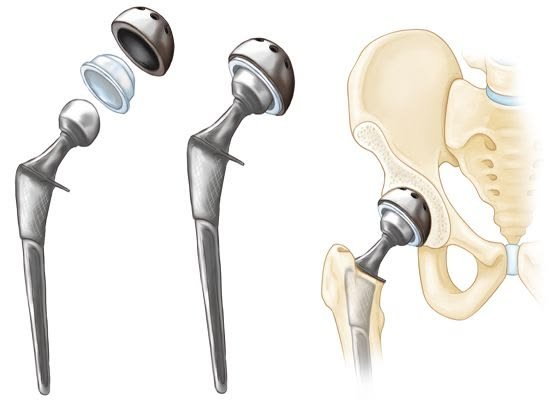
Hip replacement surgery is an orthopedic procedure that replaces damaged parts of the hip joint with artificial components.
The hip joint normally consists of the femoral head, which fits into the socket of the pelvis. When severe arthritis, injury, or another condition damages these surfaces, the joint may become painful and stiff.
During hip replacement surgery, the surgeon removes the damaged portions of the joint and replaces them with artificial components designed to restore joint function.
Furthermore, the surgeon selects the appropriate surgical approach and implant according to the patient’s individual condition.
Therefore, hip replacement can provide an option for patients who experience significant pain and mobility limitations because of advanced hip joint damage.
When Is Hip Replacement Necessary?
Not every patient with hip pain requires hip replacement.
Initially, doctors may recommend non-surgical treatment depending on the underlying condition. This approach may include medication prescribed by a doctor, physiotherapy, appropriate exercise, activity modification, and weight management.
However, advanced hip damage can cause persistent pain and significant functional limitations. Patients may experience difficulty walking, climbing stairs, standing, sitting, or sleeping because of hip discomfort.
When conservative treatment no longer provides adequate relief and the hip joint shows significant damage, an orthopedic surgeon may evaluate the patient for hip replacement.
Therefore, the decision should follow a detailed orthopedic assessment rather than pain severity alone.
Common Reasons for Hip Replacement
Several conditions can damage the hip joint and eventually require replacement surgery.
Severe osteoarthritis can gradually wear down the protective cartilage within the joint. Consequently, patients may develop pain, stiffness, reduced movement, and difficulty performing everyday activities.
Rheumatoid arthritis and other inflammatory joint conditions can also cause progressive joint damage.
Furthermore, certain hip fractures, previous injuries, avascular necrosis, and other conditions can significantly affect the hip joint.
Therefore, patients with persistent hip pain should undergo appropriate evaluation to identify the underlying cause before deciding on treatment.
Symptoms of Severe Hip Joint Problems
Hip problems can develop gradually. Initially, patients may notice mild discomfort during walking or physical activity. However, symptoms can become more noticeable as joint damage progresses.
Common symptoms include hip pain, groin pain, stiffness, reduced range of motion, difficulty walking, difficulty climbing stairs, and discomfort while standing or sitting.
Some patients may also experience pain while sleeping or changing position in bed.
Furthermore, advanced hip problems can affect a person’s ability to work, exercise, travel, and perform household activities.
Therefore, persistent or worsening hip symptoms deserve professional orthopedic assessment.
Hip Arthritis and Hip Replacement
Hip arthritis represents one of the common reasons patients eventually require hip replacement.
As cartilage within the hip joint deteriorates, the joint surfaces can become painful during movement. Moreover, patients may gradually lose hip flexibility and mobility.
Early-stage arthritis may respond to conservative treatment and physiotherapy. However, advanced arthritis can cause persistent pain and significant limitations.
When other treatment options no longer provide sufficient relief, the orthopedic surgeon may evaluate the patient for hip replacement.
Therefore, patients with advanced hip arthritis should discuss their symptoms and treatment options with an orthopedic specialist.
Hip Replacement Evaluation
Before recommending surgery, the orthopedic surgeon evaluates the patient’s overall condition.
The consultation generally involves reviewing symptoms, medical history, previous injuries, previous treatments, medications, activity levels, and functional limitations.
The doctor also examines hip movement and assesses pain and mobility.
Furthermore, imaging investigations such as X-rays may help evaluate the condition of the hip joint. Depending on the patient’s symptoms, the doctor may recommend additional investigations.
Consequently, a detailed evaluation helps the surgeon determine whether hip replacement represents an appropriate treatment option.
Benefits of Hip Replacement Surgery
Hip replacement aims to reduce pain and improve the function of a severely damaged hip joint.
Many suitable patients experience improved ability to walk and perform everyday activities following successful recovery.
Furthermore, successful rehabilitation can help improve strength, balance, mobility, and functional independence.
Patients may gradually return to appropriate daily activities according to their surgeon’s advice and recovery progress.
However, results vary between individuals. Therefore, patients should maintain realistic expectations and follow their surgeon’s rehabilitation recommendations.
Hip Replacement Surgery for Older Adults
Hip problems become increasingly common with age, particularly because degenerative joint conditions can develop over time.
Older adults may experience hip pain, stiffness, reduced mobility, and difficulty performing everyday activities.
However, age alone does not determine whether a patient can undergo hip replacement.
The orthopedic surgeon considers the patient’s overall health, medical conditions, functional status, joint damage, and ability to participate in rehabilitation.
Therefore, older adults with severe hip problems should undergo a comprehensive medical evaluation before making a decision about surgery.
Recovery After Hip Replacement
Recovery after hip replacement occurs gradually.
Immediately after surgery, rehabilitation may focus on safe movement, pain management, walking, and basic functional activities according to the surgeon’s instructions.
As recovery progresses, physiotherapy can focus on strengthening, flexibility, balance, gait, and functional movement.
Dr. Shweta Chepurwar provides physiotherapy and rehabilitation services that can support patients during orthopedic recovery.
Furthermore, patients should follow post-operative instructions regarding activity, wound care, medication, and follow-up appointments.
Consequently, consistent rehabilitation can help patients progress toward greater mobility and independence.
Physiotherapy After Hip Replacement
Physiotherapy represents an important part of many hip replacement recovery programs.
After surgery, patients may experience muscle weakness, stiffness, balance difficulties, and reduced walking ability.
A physiotherapist can guide patients through appropriate exercises and mobility training based on the surgeon’s instructions.
Rehabilitation may include walking practice, strengthening exercises, balance training, flexibility exercises, and functional activities.
Furthermore, the physiotherapist can gradually progress the program as the patient becomes stronger.
Therefore, structured physiotherapy can support recovery and help patients return to appropriate daily activities.
Why Choose an Experienced Hip Replacement Surgeon?
Hip replacement represents a significant orthopedic procedure. Therefore, patients should choose a surgeon who can properly evaluate their condition and explain the available treatment options.
An experienced orthopedic surgeon considers the patient’s symptoms, joint damage, overall health, lifestyle, and rehabilitation requirements before recommending surgery.
Furthermore, effective treatment involves more than the surgical procedure itself. Pre-operative evaluation, appropriate surgical planning, post-operative monitoring, and rehabilitation all contribute to the recovery process.
Consequently, choosing a comprehensive orthopedic center can make the treatment journey more coordinated.
Orthopedic Care for Patients From Kagaznagar
Patients from Kagaznagar may seek specialized orthopedic care when persistent hip pain begins affecting their daily activities.
Shri Sai Gajanan Hospital | Dr. Chepurwar Orthopedic & Physiotherapy Center in Chandrapur provides orthopedic and physiotherapy services for patients with joint problems, injuries, fractures, and conditions that may require surgical treatment.
Therefore, patients from Kagaznagar and surrounding areas can consult an orthopedic specialist for evaluation and treatment planning.
Furthermore, combining orthopedic care with physiotherapy can support rehabilitation before and after surgery.
Comprehensive Orthopedic and Rehabilitation Care
Hip replacement treatment involves several stages.
First, the orthopedic specialist evaluates the patient’s symptoms and joint condition. Next, the doctor determines whether conservative treatment can provide sufficient relief.
If the hip joint has advanced damage and surgery becomes appropriate, the surgeon discusses the procedure and recovery process with the patient.
After surgery, rehabilitation helps patients regain mobility, strength, balance, and functional independence.
Therefore, coordinating orthopedic treatment with physiotherapy can provide a more comprehensive recovery pathway.
Book a Consultation With a Hip Replacement Surgeon in Kagaznagar
If you are searching for a Hip Replacement Surgeon in Kagaznagar, you can consult Dr. Sameer Chepurwar at Shri Sai Gajanan Hospital | Dr. Chepurwar Orthopedic & Physiotherapy Center in Chandrapur.
The center provides orthopedic evaluation and treatment for hip problems, joint conditions, fractures, injuries, and other musculoskeletal conditions. In addition, physiotherapy and rehabilitation services support patients during recovery.
Whether you have severe hip arthritis, persistent hip pain, a previous hip injury, or difficulty walking, an orthopedic consultation can help determine the appropriate next step.
Therefore, do not ignore persistent hip pain or mobility problems. Seek professional orthopedic evaluation and understand your treatment options.
Frequently Asked Questions About Hip Replacement Surgery
What does a hip replacement surgeon do?
A hip replacement surgeon evaluates damaged hip joints and determines whether hip replacement may benefit the patient. The surgeon also plans and performs the appropriate procedure when surgery becomes necessary.
When is hip replacement recommended?
Doctors may recommend hip replacement when severe joint damage causes persistent pain and significant mobility limitations despite appropriate non-surgical treatment.
Is hip replacement suitable for older adults?
Yes. Older adults can undergo hip replacement when they meet appropriate medical criteria. The surgeon evaluates overall health, joint damage, functional status, and surgical risks before recommending the procedure.
Can arthritis lead to hip replacement?
Yes. Advanced hip arthritis can damage the joint and cause persistent pain and mobility problems. When conservative treatment no longer provides adequate relief, the surgeon may consider hip replacement.
How long does recovery after hip replacement take?
Recovery varies between patients. Most patients progress gradually through walking, strengthening, balance, and functional rehabilitation according to their surgeon’s recommendations.
Is physiotherapy necessary after hip replacement?
Physiotherapy commonly plays an important role after hip replacement. It can help patients improve strength, mobility, balance, walking ability, and functional movement.
Can hip replacement reduce hip pain?
Hip replacement aims to replace severely damaged joint surfaces and can significantly reduce pain in many appropriately selected patients.
What tests are needed before hip replacement?
The surgeon may recommend physical examination, X-rays, blood tests, and other investigations depending on the patient’s medical history and condition.
Can hip replacement treat a hip fracture?
In selected patients, particularly with certain serious hip fractures, surgeons may consider hip replacement. The appropriate procedure depends on the fracture, patient’s age, bone quality, and overall health.
Where can I consult a Hip Replacement Surgeon near Kagaznagar?
Patients from Kagaznagar can consult Dr. Sameer Chepurwar at Shri Sai Gajanan Hospital | Dr. Chepurwar Orthopedic & Physiotherapy Center in Chandrapur for orthopedic evaluation and hip-related treatment guidance.
Conclusion
Persistent hip pain can affect walking, mobility, sleep, work, exercise, and overall quality of life. However, not every patient with hip pain requires surgery. Therefore, an accurate orthopedic evaluation remains the first step toward choosing an appropriate treatment.
If you are searching for a Hip Replacement Surgeon in Kagaznagar, Shri Sai Gajanan Hospital | Dr. Chepurwar Orthopedic & Physiotherapy Center provides orthopedic evaluation, surgical guidance, and rehabilitation support. Furthermore, the combination of orthopedic care and physiotherapy can help patients navigate different stages of treatment and recovery.