Dr. Sameer Chepurwar | Orthopedic & Joint Replacement Surgeon In Chandrapur
Joint Replacement Surgeon in Kagaznagar – Dr. Sameer Chepurwar
If you are searching for a Joint Replacement Surgeon in Kagaznagar, Shri Sai Gajanan Hospital | Dr. Chepurwar Orthopedic & Physiotherapy Center provides comprehensive orthopedic evaluation, joint replacement surgery, and rehabilitation support for patients experiencing severe joint pain and mobility problems. Dr. Sameer Chepurwar, MBBS, DNB (Orthopaedics), D.Ortho, is an experienced orthopedic surgeon with more than 28 years of experience in orthopedic and joint care. His areas of expertise include joint replacement surgery, arthroscopic surgery, trauma management, fracture care, and sports injury treatment.
Joint problems can affect the knees, hips, shoulders, and other major joints. Moreover, arthritis, age-related degeneration, previous injuries, fractures, and other conditions can gradually damage joint surfaces. As a result, patients may experience persistent pain, stiffness, swelling, restricted movement, and difficulty performing routine activities.
What Is Joint Replacement Surgery?
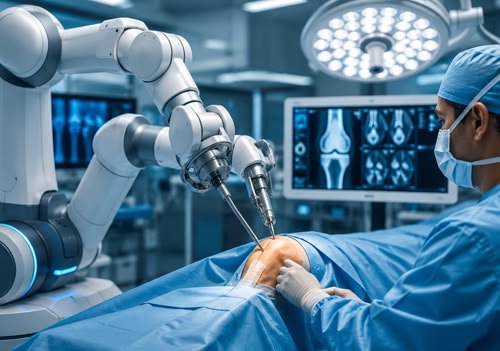
Joint replacement surgery, also called arthroplasty, involves replacing a damaged joint surface with an artificial implant. Surgeons consider this procedure when severe joint damage causes persistent pain and significantly limits mobility.
A healthy joint allows smooth movement because cartilage cushions the surfaces of the bones. However, arthritis, trauma, fractures, and degenerative conditions can damage this cartilage and affect normal joint function.
Consequently, patients may develop pain while walking, climbing stairs, standing, sitting, lifting objects, or performing other everyday activities.
During joint replacement surgery, the orthopedic surgeon removes the damaged portions of the joint and places suitable artificial components. The surgeon selects the procedure and implant according to the patient’s joint condition, anatomy, age, activity level, and overall health.
Therefore, joint replacement provides a treatment option for appropriately selected patients with advanced joint damage.
When Is Joint Replacement Necessary?
Not every patient with joint pain requires joint replacement surgery.
Initially, an orthopedic surgeon may recommend non-surgical treatment depending on the severity and cause of the problem. Physiotherapy, appropriate exercises, medication prescribed by a doctor, weight management, activity modification, and other treatments may help manage symptoms in many cases.
However, advanced joint degeneration can continue to cause severe pain and functional limitations.
Patients may require an orthopedic evaluation when they experience persistent pain, significant stiffness, restricted movement, difficulty walking, recurring swelling, joint deformity, or difficulty performing normal activities.
Furthermore, pain that continues despite appropriate conservative treatment may indicate advanced joint damage.
Therefore, an orthopedic consultation can help determine whether continued non-surgical treatment or joint replacement may suit the patient’s condition.
Common Joints That May Require Replacement | Joint Replacement Surgeon In Kagaznagar
Joint replacement can address severe damage in several major joints.
Knee Replacement
Knee replacement can treat advanced damage caused by conditions such as severe osteoarthritis, rheumatoid arthritis, post-traumatic arthritis, and other degenerative problems.
Patients may experience knee pain, stiffness, swelling, reduced movement, difficulty walking, and problems climbing stairs.
Hip Replacement
Hip replacement can help appropriately selected patients with severe hip arthritis, fractures, avascular necrosis, and other conditions that significantly damage the hip joint.
Patients may experience groin or hip pain, stiffness, difficulty walking, and reduced mobility.
Shoulder Replacement
Severe shoulder arthritis, certain fractures, degenerative conditions, and other joint problems may require shoulder replacement in selected patients.
Shoulder replacement can aim to reduce pain and improve functional movement.
Therefore, the orthopedic surgeon evaluates the affected joint carefully before recommending a replacement procedure.
Causes of Severe Joint Damage
Several conditions can gradually damage a joint.
Osteoarthritis represents one of the most common causes. Over time, cartilage can deteriorate and reduce the joint’s ability to move smoothly.
Furthermore, rheumatoid arthritis and other inflammatory conditions can damage joint structures.
Previous fractures, sports injuries, ligament injuries, and other traumatic events can also contribute to long-term joint problems.
In some cases, conditions such as avascular necrosis can affect the blood supply to bone and eventually damage the joint.
Age-related degeneration can also contribute to progressive joint wear.
Therefore, identifying the underlying cause remains an important part of orthopedic treatment planning.
Symptoms That May Indicate Advanced Joint Damage
Joint problems can develop slowly. Initially, patients may notice mild discomfort only after physical activity. However, symptoms can become increasingly disruptive as joint damage progresses.
Common symptoms include persistent joint pain, stiffness, swelling, reduced range of motion, difficulty walking, difficulty climbing stairs, and discomfort during everyday activities.
Patients may also experience pain while resting or sleeping.
Furthermore, advanced joint damage can affect work, exercise, travel, household activities, and overall independence.
If these symptoms continue or worsen despite appropriate treatment, patients should consider an orthopedic consultation.
Therefore, timely assessment can help identify the severity of joint damage and determine suitable treatment options.
Joint Replacement for Arthritis | Joint Replacement Surgeon In Kagaznagar
Arthritis represents a major cause of severe joint pain and mobility problems.
Osteoarthritis can gradually wear down cartilage and cause increasing friction between joint surfaces. Consequently, patients may experience pain, stiffness, swelling, and reduced movement.
In the early stages, doctors may recommend physiotherapy, exercises, weight management, medication, lifestyle modifications, or other conservative treatments.
However, advanced arthritis can cause persistent symptoms that interfere with daily life.
When conservative treatment no longer provides sufficient relief, an orthopedic surgeon may evaluate the patient for joint replacement.
Shri Sai Gajanan Hospital states that Dr. Sameer Chepurwar provides arthritis and joint pain treatment and performs joint replacement procedures for advanced arthritis, including total knee replacement, total hip replacement, and shoulder replacement surgery.
Therefore, patients with severe arthritis should receive an appropriate orthopedic assessment before deciding on surgery.
Knee Replacement Surgery
The knee represents one of the most frequently affected joints in advanced arthritis.
Severe knee degeneration can cause persistent pain, stiffness, swelling, reduced mobility, and difficulty performing everyday activities.
Initially, doctors may recommend conservative treatment. However, patients with advanced joint damage may eventually require surgical evaluation.
Knee replacement replaces damaged joint surfaces with artificial components. Depending on the extent of joint damage, the surgeon may consider different approaches, including total or partial knee replacement.
Furthermore, some patients may require bilateral or revision procedures depending on their individual circumstances.
Dr. Sameer Chepurwar’s published practice information includes knee replacement surgery and describes total, partial, bilateral, and revision knee replacement as treatment options.
Therefore, patients with severe knee problems should discuss their symptoms and treatment options with an orthopedic specialist.
Hip Replacement Surgery
The hip supports body weight and plays an important role in walking, standing, and everyday movement.
Severe hip arthritis, certain fractures, avascular necrosis, post-traumatic damage, and other conditions can significantly affect the hip joint.
Patients may experience hip or groin pain, stiffness, difficulty walking, reduced range of motion, and difficulty sitting or climbing stairs.
When conservative treatment no longer provides adequate relief and the joint shows advanced damage, the orthopedic surgeon may consider hip replacement.
The hospital’s published information describes hip replacement services and lists conditions such as osteoarthritis, rheumatoid arthritis, avascular necrosis, hip fractures, post-traumatic arthritis, and other hip disorders among potential indications for surgical evaluation.
Therefore, patients with persistent hip symptoms should undergo an orthopedic assessment before deciding on surgery.
Shoulder Replacement Surgery
The shoulder allows a wide range of movement. However, severe arthritis, fractures, degenerative conditions, and certain injuries can significantly affect shoulder function.
Patients may experience persistent shoulder pain, stiffness, weakness, and difficulty reaching, lifting, dressing, or performing overhead activities.
Depending on the condition, the orthopedic surgeon may consider total shoulder replacement, partial replacement, reverse shoulder replacement, or revision surgery.
The hospital’s published information describes these different shoulder replacement approaches and emphasizes individualized evaluation before surgery.
Therefore, patients with severe shoulder problems should receive an orthopedic assessment to determine the cause and appropriate treatment.
Diagnosis Before Joint Replacement
A detailed orthopedic assessment plays an important role before joint replacement surgery.
The consultation generally begins with a discussion about the patient’s symptoms, medical history, previous injuries, previous treatments, medications, activity levels, and functional limitations.
Next, the orthopedic surgeon performs a physical examination and evaluates joint movement, strength, stability, tenderness, swelling, and alignment.
Depending on the affected joint, the doctor may recommend X-rays or additional imaging and medical investigations.
Furthermore, the surgeon considers the patient’s overall health and surgical fitness before recommending a procedure.
Consequently, a thorough assessment helps the orthopedic team understand the extent of joint damage and develop an appropriate treatment plan.
Benefits of Joint Replacement Surgery
For appropriately selected patients, joint replacement can reduce pain and improve mobility.
Patients may find everyday activities easier after successful recovery. For example, walking, climbing stairs, standing, sitting, exercising appropriately, and performing household activities may become more manageable.
Furthermore, rehabilitation can help improve muscle strength, joint movement, balance, coordination, and functional ability.
However, every patient’s recovery and outcome can differ. Factors such as age, general health, joint condition, physical fitness, surgical procedure, and rehabilitation can influence recovery.
Therefore, patients should maintain realistic expectations and follow their orthopedic team’s recommendations throughout treatment.
Recovery After Joint Replacement
Recovery begins after surgery and progresses gradually.
Initially, patients may require assistance with walking and basic activities. The rehabilitation team then works on safe movement, joint mobility, muscle activation, and functional independence.
As strength improves, physiotherapy can progress toward balance exercises, strengthening, flexibility, gait training, and everyday functional activities.
Moreover, patients should follow instructions regarding medication, wound care, activity levels, exercises, and follow-up appointments.
Recovery time varies according to the joint replaced and the patient’s individual health and rehabilitation progress.
Therefore, patients should focus on steady improvement rather than expecting identical recovery times for everyone.
Physiotherapy After Joint Replacement Surgeon In Kagaznagar
Physiotherapy plays an important role in many joint replacement recovery programs.
Following surgery, patients may experience stiffness, weakness, swelling, reduced mobility, and difficulty walking or using the affected limb.
A physiotherapist can develop an individualized rehabilitation program according to the patient’s condition and the surgeon’s instructions.
Rehabilitation may focus on joint mobility, muscle strengthening, balance, flexibility, gait training, coordination, and functional activities.
Dr. Shweta Chepurwar provides physiotherapy and post-surgical rehabilitation services at the center. Her published profile states that she has more than 15 years of experience and specializes in orthopedic conditions and post-surgical recovery.
Therefore, consistent physiotherapy can support patients as they work toward improved mobility and independence.
Lifestyle After Joint Replacement
Healthy lifestyle habits can support long-term physical function after joint replacement.
Patients should gradually return to appropriate physical activities according to their orthopedic surgeon’s advice. Furthermore, maintaining a healthy body weight can help reduce unnecessary stress on weight-bearing joints.
Appropriate exercise can help maintain muscle strength and overall mobility. However, patients should discuss demanding or high-impact activities with their healthcare provider before returning to them.
Patients should also attend scheduled follow-up appointments and report unusual or persistent symptoms promptly.
Therefore, consistent attention to physical activity, weight management, rehabilitation, and medical follow-up can support long-term joint health.
Why Choose Dr. Sameer Chepurwar?
Dr. Sameer Chepurwar is an MBBS, DNB (Orthopaedics), D.Ortho orthopedic surgeon with more than 28 years of experience. His published profile identifies joint replacement surgery, arthroscopic surgery, trauma care, fracture management, and sports injury treatment among his areas of expertise.
Furthermore, Shri Sai Gajanan Hospital | Dr. Chepurwar Orthopedic & Physiotherapy Center provides orthopedic treatment alongside physiotherapy and rehabilitation.
The hospital describes its approach as patient-centered and highlights modern infrastructure, diagnostic facilities, operation theatres, orthopedic treatment, joint replacement surgery, trauma care, and rehabilitation services.
Therefore, patients considering joint replacement can discuss their symptoms, diagnosis, surgical options, expected recovery, and rehabilitation requirements with the orthopedic team.
Frequently Asked Questions About Joint Replacement Surgeon In Kagaznagar
Who is a joint replacement surgeon?
A joint replacement surgeon is an orthopedic specialist who evaluates severely damaged joints and performs arthroplasty procedures when joint replacement becomes an appropriate treatment option.
When is joint replacement surgery recommended?
Doctors may consider joint replacement when severe joint damage causes persistent pain and significant mobility limitations despite appropriate non-surgical treatment.
Which joints can be replaced?
Common joint replacement procedures include knee, hip, and shoulder replacement. The appropriate procedure depends on the location and severity of joint damage.
Does every arthritis patient need joint replacement?
No. Many patients can manage arthritis through physiotherapy, exercise, medication, lifestyle changes, and other conservative treatments. Doctors consider surgery when advanced joint damage causes significant symptoms.
What are the signs that I may need joint replacement?
Persistent pain, severe stiffness, restricted movement, swelling, joint deformity, difficulty walking, and difficulty performing everyday activities can indicate the need for an orthopedic evaluation.
Is physiotherapy important after joint replacement?
Yes. Physiotherapy commonly supports recovery by improving joint movement, muscle strength, balance, flexibility, walking ability, and functional mobility.
How long does recovery after joint replacement take?
Recovery varies from patient to patient. The replaced joint, surgical procedure, age, overall health, physical condition, and rehabilitation program can all influence recovery.
Can joint replacement treat severe arthritis?
Yes. Joint replacement can provide an option for appropriately selected patients with advanced arthritis who continue to experience significant pain and functional limitations despite conservative treatment.
What tests are needed before joint replacement?
The surgeon may recommend a physical examination, medical history review, X-rays, blood investigations, and other tests depending on the affected joint and the patient’s overall health.
Where can patients from Kagaznagar consult a joint replacement surgeon?
Patients from Kagaznagar can consult Dr. Sameer Chepurwar at Shri Sai Gajanan Hospital | Dr. Chepurwar Orthopedic & Physiotherapy Center in Chandrapur for orthopedic evaluation and joint replacement guidance.
Book a Joint Replacement Consultation
If persistent joint pain is affecting your mobility, work, sleep, exercise, or everyday activities, consider an orthopedic consultation.
Patients searching for a Joint Replacement Surgeon in Kagaznagar can consult Dr. Sameer Chepurwar at Shri Sai Gajanan Hospital | Dr. Chepurwar Orthopedic & Physiotherapy Center in Chandrapur.
The center provides orthopedic and joint replacement care for conditions affecting major joints, along with physiotherapy and rehabilitation support.
Whether you are dealing with severe knee arthritis, advanced hip damage, shoulder problems, or another condition affecting joint function, a professional orthopedic assessment can help identify the appropriate next step.
Therefore, do not ignore persistent joint pain or worsening mobility. Seek specialist evaluation and discuss the treatment options suitable for your individual condition.