Dr. Sameer Chepurwar | Orthopedic & Joint Replacement Surgeon In Chandrapur
Knee Replacement Surgeon in Chandrapur – Dr. Sameer Chepurwar
When severe knee pain begins affecting walking, climbing stairs, standing, or everyday activities, consulting the right Knee Replacement Surgeon in Chandrapur can help you understand the available treatment options. At Shri Sai Gajanan Hospital | Dr. Chepurwar Orthopedic & Physiotherapy Center, patients receive specialized orthopedic care for knee arthritis, joint degeneration, injuries, and other conditions that may affect knee function.
Dr. Sameer Chepurwar, an orthopedic surgeon with 28+ years of experience, specializes in joint replacement surgery, arthroscopic surgery, trauma care, fracture management, and sports injuries. The center also provides physiotherapy and rehabilitation under Dr. Shweta Chepurwar, supporting patients throughout their recovery.
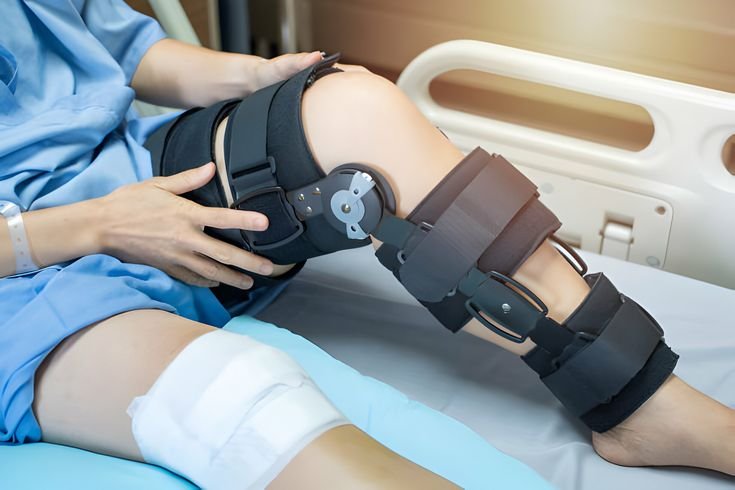
Knee Replacement Surgeon in Chandrapur for Advanced Knee Care
The knee carries much of the body’s weight and plays an important role in walking, standing, climbing stairs, and maintaining mobility. However, arthritis, previous injuries, cartilage damage, and progressive joint degeneration can gradually affect knee function.
Initially, knee pain may appear only after prolonged activity. Over time, however, it can become more frequent and may eventually interfere with routine activities or sleep.
Therefore, persistent knee pain should receive an appropriate orthopedic evaluation. Depending on the condition, treatment may include medication, physiotherapy, exercise, lifestyle modification, injections, arthroscopic procedures, or knee replacement surgery.
Knee replacement is generally considered when significant joint damage causes persistent symptoms and conservative treatment no longer provides sufficient improvement.
Dr. Sameer Chepurwar – Knee Replacement Surgeon in Chandrapur
Dr. Sameer Chepurwar is an orthopedic surgeon practicing at Shri Sai Gajanan Hospital in Chandrapur. His listed areas of expertise include Joint Replacement Surgery (Arthroplasty), Arthroscopic Surgery, Trauma Care, Fracture Management, and Sports Injury Treatment.
His approach focuses on assessing each patient’s orthopedic condition before recommending treatment. This is important because knee pain can have several causes, and not every patient with knee pain requires surgery.
During consultation, the orthopedic surgeon evaluates symptoms, mobility, medical history, previous treatments, and relevant diagnostic findings. Afterward, an appropriate treatment plan can be discussed.
Consequently, patients can understand whether conservative treatment, rehabilitation, or knee replacement may be suitable for their condition.
What Is Knee Replacement Surgery?
Knee replacement surgery, also called knee arthroplasty, involves replacing damaged portions of the knee joint with artificial components. The procedure is designed to address significant joint damage and may help reduce pain and improve mobility.
The need for knee replacement depends on the extent of joint damage and how much the condition affects the patient’s daily life.
Common reasons for considering knee replacement include advanced osteoarthritis, rheumatoid arthritis, post-traumatic arthritis, severe cartilage damage, joint degeneration, and certain knee deformities.
However, surgery is not automatically recommended based only on age or the presence of knee pain. Instead, the orthopedic surgeon considers the patient’s overall condition and treatment history before making a recommendation.
When Is Knee Replacement Surgery Recommended?
Knee replacement may become an option when severe knee damage causes persistent symptoms and significantly limits normal activities.
Some symptoms that may warrant an orthopedic evaluation include:
- Persistent knee pain
- Pain while walking
- Difficulty climbing stairs
- Knee stiffness
- Swelling around the joint
- Reduced knee movement
- Difficulty standing after sitting
- Reduced walking distance
- Pain that affects sleep
- Knee deformity
- Difficulty performing everyday activities
Nevertheless, experiencing these symptoms does not automatically mean that knee replacement is necessary.
Initially, the doctor may recommend appropriate non-surgical treatment. If these measures no longer provide adequate relief and joint damage is advanced, knee replacement may then be considered.
Conditions That May Require Knee Replacement
Several conditions can progressively damage the knee joint. Osteoarthritis is a common cause of advanced knee degeneration. However, other orthopedic problems can also contribute to severe joint damage.
These conditions may include rheumatoid arthritis, post-traumatic arthritis, degenerative joint disease, cartilage damage, severe knee injuries, previous unsuccessful knee surgery, and certain deformities.
Furthermore, previous fractures, ligament injuries, meniscus problems, and long-term joint stress can also contribute to knee problems.
Therefore, identifying the underlying cause is important before deciding on treatment.
An orthopedic assessment helps determine the severity of the condition and whether conservative management or surgical treatment may be more appropriate.
Types of Knee Replacement Surgery
The type of knee replacement depends on the extent and location of joint damage. Therefore, the orthopedic surgeon selects the procedure according to the individual patient’s condition.
Total Knee Replacement
Total knee replacement involves replacing the damaged surfaces of the knee joint. It may be considered when significant arthritis or degeneration affects multiple areas of the knee.
Partial Knee Replacement
Partial knee replacement may be appropriate when damage is limited to a specific compartment of the knee and the remaining joint structures are suitable for preservation.
Bilateral Knee Replacement
When both knees have significant damage, replacement may be performed either during the same treatment period or in separate stages, depending on the patient’s medical condition and surgical plan.
Revision Knee Replacement
Revision surgery involves replacing or addressing a previously implanted knee replacement when the existing implant has developed a problem or requires revision.
The appropriate procedure depends on diagnostic findings, joint damage, bone condition, medical history, and other individual factors.
Diagnosis Before Knee Replacement Surgery
A thorough evaluation is an important part of knee replacement planning. First, the orthopedic surgeon discusses the patient’s symptoms, medical history, previous injuries, medications, and earlier treatments.
Next, a physical examination can help assess knee movement, stability, swelling, alignment, and functional limitations.
Depending on the condition, diagnostic investigations may include knee X-rays and, when clinically required, additional imaging or medical assessments. The surgeon may also consider the patient’s general health and fitness for surgery.
Furthermore, accurate preoperative evaluation helps the surgical team plan the appropriate procedure and discuss the expected recovery process with the patient.
Knee Replacement Surgery and Recovery
Knee replacement surgery is only one part of the treatment journey. Recovery and rehabilitation are also important for restoring movement and strength.
After surgery, patients generally follow a structured rehabilitation plan according to their individual condition and surgical procedure. Physiotherapy can focus on gradually improving knee movement, muscle strength, balance, walking ability, and functional activities.
At the center, Dr. Shweta Chepurwar provides orthopedic rehabilitation and physiotherapy services. Rehabilitation programs can include mobility training, strengthening, gait and balance training, functional exercises, and post-surgical rehabilitation.
Therefore, patients should follow their orthopedic and physiotherapy team’s instructions and gradually increase activity according to professional guidance.
Physiotherapy After Knee Replacement
Physiotherapy can play an important role in recovery after knee replacement. The objective is to gradually restore movement, strength, stability, and confidence while performing everyday activities.
Depending on the patient’s recovery stage, rehabilitation may include gentle mobility exercises, strengthening activities, walking practice, balance training, and functional exercises.
Moreover, rehabilitation can be adjusted as the patient’s mobility improves.
At Dr. Chepurwar Orthopedic & Physiotherapy Center, physiotherapy is provided as part of comprehensive orthopedic rehabilitation. This allows patients to receive support for recovery following joint replacement, fractures, sports injuries, and other orthopedic procedures.
Why Choose Shri Sai Gajanan Hospital for Knee Replacement?
Choosing a knee replacement center involves considering orthopedic expertise, diagnostic support, surgical infrastructure, and rehabilitation services.
Shri Sai Gajanan Hospital | Dr. Chepurwar Orthopedic & Physiotherapy Center provides orthopedic and physiotherapy care in Chandrapur. The hospital offers modern infrastructure, diagnostic facilities, operation theatres, joint replacement services, trauma care, arthroscopic procedures, and rehabilitation support.
Moreover, patients can consult Dr. Sameer Chepurwar regarding knee pain, arthritis, joint degeneration, injuries, and possible knee replacement.
The center also provides physiotherapy under Dr. Shweta Chepurwar. Therefore, orthopedic treatment and rehabilitation can be coordinated within the same healthcare environment.
Knee Replacement Surgeon Near Me in Chandrapur
If you are searching for a “Knee Replacement Surgeon Near Me in Chandrapur,” you can consult SHRI SAI GAJANAN HOSPITAL (Dr. CHEPURWAR ORTHOPEDIC AND PHYSIOTHERAPY CENTER- Best Joint Replacement Surgeon In Chandrapur).
The center is located at Hospital Ward, Kasturba Road, near Jubilee High School, Bazar Ward, Chandrapur, Maharashtra 442402.
Patients can seek orthopedic evaluation for persistent knee pain, arthritis, stiffness, restricted movement, previous knee injuries, and conditions that may require knee replacement.
Preventing Knee Problems and Maintaining Joint Health
Although some knee conditions cannot be completely prevented, healthy lifestyle habits can support overall joint health.
Maintaining a healthy weight can reduce stress on weight-bearing joints. In addition, regular low-impact physical activity can help maintain muscle strength and joint mobility.
Furthermore, people who participate in sports should use appropriate techniques and allow sufficient recovery between demanding activities. Persistent pain should not be ignored, especially when it continues to interfere with movement.
Patients with existing arthritis or previous knee injuries may also benefit from professional guidance regarding exercise and rehabilitation.
Therefore, maintaining strength, mobility, and healthy activity habits can support long-term knee function.
When Should You Consult a Knee Replacement Surgeon?
You should consider an orthopedic consultation when knee pain becomes persistent or starts interfering with everyday activities.
For example, you may need an evaluation if you have difficulty walking, climbing stairs, standing from a chair, sleeping because of knee pain, or performing activities that were previously comfortable.
Similarly, patients who have tried appropriate conservative treatments without sufficient improvement may benefit from a specialist reassessment.
However, consultation does not necessarily mean that surgery will be recommended. Instead, the orthopedic surgeon first determines the cause and severity of the knee problem.
Therefore, professional evaluation can help you understand whether medication, physiotherapy, rehabilitation, or knee replacement may be appropriate.
Frequently Asked Questions About Knee Replacement Surgeon in Chandrapur
Who is a Knee Replacement Surgeon in Chandrapur?
Dr. Sameer Chepurwar is an orthopedic surgeon in Chandrapur who specializes in joint replacement surgery, including knee replacement.
When is knee replacement surgery needed?
Knee replacement may be considered when severe joint damage causes persistent pain and mobility limitations and suitable conservative treatments no longer provide adequate improvement.
Does every patient with knee arthritis need knee replacement?
No. Many patients with arthritis can manage their symptoms through non-surgical treatment. Knee replacement is considered when the joint damage and symptoms justify surgery.
What are the common signs that I may need knee replacement?
Persistent pain, stiffness, reduced movement, difficulty walking, difficulty climbing stairs, swelling, deformity, and pain affecting sleep or daily activities may warrant an orthopedic evaluation.
What types of knee replacement are available?
Depending on the patient’s condition, treatment may involve total knee replacement, partial knee replacement, bilateral knee replacement, or revision knee replacement.
Is physiotherapy required after knee replacement?
Rehabilitation is an important part of recovery for many patients following knee replacement. A personalized physiotherapy program can help improve movement, strength, balance, and functional mobility.
How long does knee replacement recovery take?
Recovery varies between individuals. It depends on the surgical procedure, general health, physical condition, rehabilitation progress, and adherence to postoperative guidance.
Can knee replacement improve mobility?
Knee replacement is intended to address significant joint damage and may reduce pain and improve function. However, outcomes vary between individuals.
Where can I consult a knee replacement surgeon in Chandrapur?
You can consult Dr. Sameer Chepurwar at Shri Sai Gajanan Hospital | Dr. Chepurwar Orthopedic & Physiotherapy Center, Hospital Ward, Kasturba Road, near Jubilee High School, Bazar Ward, Chandrapur.
How can I choose the right orthopedic doctor in Chandrapur?
Consider the doctor’s orthopedic expertise, treatment approach, available facilities, diagnostic support, surgical services, and rehabilitation options. Most importantly, choose a professional who evaluates your condition individually and explains appropriate treatment choices.
Book an Appointment for Knee Replacement in Chandrapur
Persistent knee pain can gradually affect walking, work, exercise, sleep, and independence. Therefore, timely orthopedic evaluation can help identify the underlying condition and determine the most suitable treatment pathway.
At Shri Sai Gajanan Hospital | Dr. Chepurwar Orthopedic & Physiotherapy Center, Dr. Sameer Chepurwar provides orthopedic and joint replacement care. In addition, Dr. Shweta Chepurwar provides physiotherapy and rehabilitation support.
If you are searching for a Knee Replacement Surgeon in Chandrapur, schedule an orthopedic consultation to discuss your symptoms, diagnostic findings, treatment options, and recovery requirements.