Dr. Sameer Chepurwar | Orthopedic & Joint Replacement Surgeon In Chandrapur
Comprehensive Post Surgical Rehabilitation at Shri Sai Gajanan Hospital by Dr. Shweta Chepurwar
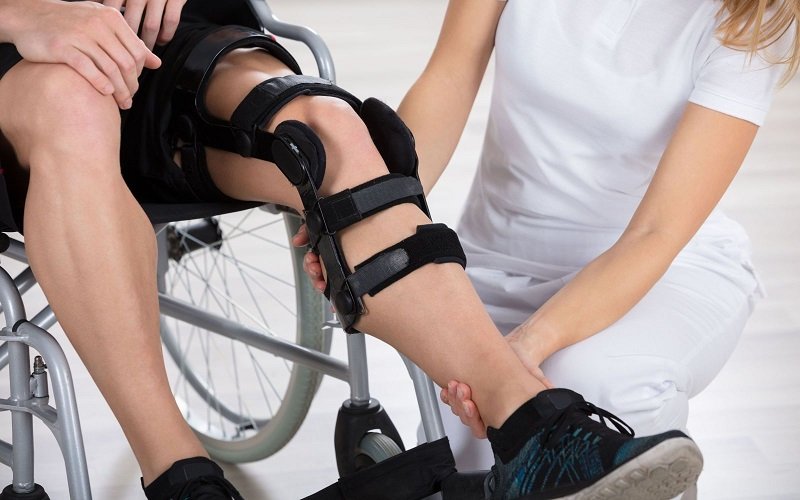
What is Post Surgical Rehabilitation?
Who Needs Post Surgical Rehabilitation?
Post surgical rehabilitation benefits patients recovering from:
- Knee Replacement Surgery
- Hip Replacement Surgery
- Spine Surgery
- Fracture Surgery
- Ligament Reconstruction
- Shoulder Surgery
- Rotator Cuff Repair
- Arthroscopy
- Brain Surgery
- Spinal Cord Surgery
- Abdominal Surgery
- Cancer Surgery
- Joint Reconstruction
- Hand Surgery
- Foot and Ankle Surgery
- Trauma Surgery
- Pediatric Orthopedic Surgery
- Neurological Surgery
Every rehabilitation plan is customized according to the type of surgery and the patient’s recovery needs.
Signs That You Need Post Surgical Rehabilitation
Patients may benefit from rehabilitation if they experience:
- Difficulty walking
- Joint stiffness
- Muscle weakness
- Persistent pain
- Swelling
- Reduced range of motion
- Difficulty climbing stairs
- Poor balance
- Limited flexibility
- Fatigue during daily activities
- Difficulty performing self-care tasks
- Delayed recovery after surgery
Early rehabilitation helps restore function while preventing long-term disability.
Conditions Treated Through Post Surgical Rehabilitation
Dr. Shweta Chepurwar provides rehabilitation after various surgical procedures, including:
- Orthopedic Surgery Rehabilitation
- Joint Replacement Rehabilitation
- Spine Surgery Rehabilitation
- Sports Surgery Rehabilitation
- Neurosurgery Rehabilitation
- Trauma Surgery Rehabilitation
- Hand Surgery Rehabilitation
- Abdominal Surgery Rehabilitation
- Pediatric Surgery Rehabilitation
- Cancer Surgery Rehabilitation
- Fracture Surgery Rehabilitation
- Ligament Reconstruction Rehabilitation
Each rehabilitation program is individualized to maximize recovery.
Comprehensive Post Surgical Rehabilitation Services
- Pain Management: Therapeutic techniques help reduce postoperative pain, swelling, and inflammation while promoting comfort.
- Mobility Training: Walking exercises and movement training restore safe mobility and improve confidence.
- Range of Motion Exercises: Gentle stretching exercises improve joint flexibility and prevent stiffness.
- Muscle Strengthening: Progressive strengthening exercises rebuild muscle power and improve stability around the operated area.
- Balance and Coordination Training: Balance exercises improve stability, coordination, and confidence while reducing the risk of falls.
- Functional Rehabilitation: Patients practice daily activities such as standing, sitting, walking, climbing stairs, dressing, and returning to work or school safely.
- Gait Training: Individualized gait training helps patients regain normal walking patterns using assistive devices when necessary.
- Home Exercise Program: Customized home exercise plans help maintain progress between rehabilitation sessions and support long-term recovery.
Benefits of Post Surgical Rehabilitation
A structured rehabilitation program provides numerous advantages.
These include:
- Faster recovery
- Reduced postoperative pain
- Improved joint mobility
- Increased muscle strength
- Better flexibility
- Reduced swelling
- Improved balance
- Better walking ability
- Lower risk of complications
- Earlier return to daily activities
- Greater independence
- Improved quality of life
Consequently, patients regain confidence and recover more efficiently after surgery.
Personalized Rehabilitation Approach
Dr. Shweta Chepurwar begins rehabilitation with a detailed assessment that includes:
- Medical history review
- Surgical history evaluation
- Pain assessment
- Joint mobility evaluation
- Muscle strength assessment
- Balance testing
- Gait analysis
- Functional ability assessment
- Posture evaluation
- Recovery goal planning
Based on this assessment, an individualized rehabilitation plan is created to support safe and effective healing.
Recovery and Home Care Tips
Patients can improve recovery by following these recommendations:
- Perform prescribed exercises regularly.
- Follow your surgeon’s instructions carefully.
- Maintain proper wound care.
- Eat a balanced, protein-rich diet.
- Stay hydrated.
- Avoid heavy lifting until advised.
- Use assistive devices correctly.
- Attend all rehabilitation sessions and follow-up appointments.
- Get adequate rest while gradually increasing activity levels.
Consistency plays a key role in achieving optimal recovery.
Tips for Healthy Aging
Following healthy recovery habits can improve rehabilitation outcomes.
- Begin rehabilitation as advised by your surgeon.
- Stay physically active within recommended limits.
- Eat nutritious meals rich in protein and vitamins.
- Avoid smoking and alcohol.
- Get adequate sleep.
- Follow medication instructions.
- Maintain good posture.
- Keep follow-up appointments.
- Report unusual pain or swelling promptly.
- Stay positive and remain consistent with therapy.
Healthy recovery habits promote better surgical outcomes and long-term function.