Dr. Sameer Chepurwar | Orthopedic & Joint Replacement Surgeon In Chandrapur
Comprehensive Neuro Rehabilitation at Shri Sai Gajanan Hospital by Dr. Shweta Chepurwar
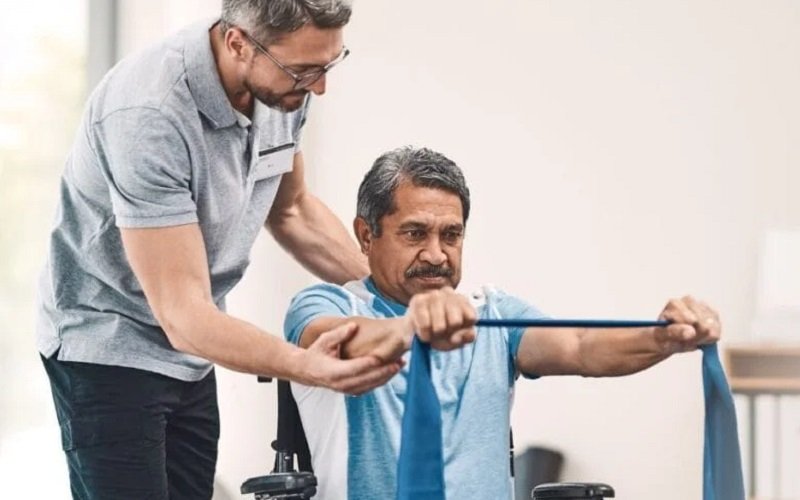
At Shri Sai Gajanan Hospital, Nagpur, Dr. Shweta Chepurwar provides personalized Neuro Rehabilitation programs using evidence-based rehabilitation techniques. Every treatment plan is designed according to the patient’s neurological condition, physical abilities, recovery goals, and overall health. The primary objective is to improve mobility, restore function, increase independence, and enhance overall quality of life.
What is Neuro Rehabilitation?
Who Needs Neuro Rehabilitation?
Neuro rehabilitation benefits patients recovering from various neurological conditions, including:
- Stroke
- Parkinson’s Disease
- Multiple Sclerosis
- Spinal Cord Injury
- Brain Injury
- Head Injury
- Peripheral Nerve Injury
- Bell’s Palsy
- Guillain-Barré Syndrome
- Cerebellar Disorders
- Neuropathy
- Ataxia
- Facial Nerve Disorders
- Balance Disorders
- Muscle Weakness due to Neurological Conditions
- Post-Neurosurgical Recovery
Early rehabilitation significantly improves recovery and functional independence.
Signs That You May Need Neuro Rehabilitation
You should consult a neuro rehabilitation specialist if you experience:
- Difficulty walking
- Poor balance
- Muscle weakness
- Paralysis
- Difficulty using your hands
- Tremors
- Coordination problems
- Frequent falls
- Difficulty speaking
- Difficulty swallowing
- Loss of sensation
- Persistent dizziness
- Reduced endurance
- Difficulty performing daily activities
Prompt rehabilitation helps improve function before long-term disability develops.
Conditions Treated Through Neuro Rehabilitation
Dr. Shweta Chepurwar provides rehabilitation for a wide range of neurological disorders, including:
- Stroke Rehabilitation
- Parkinson’s Disease Rehabilitation
- Multiple Sclerosis Rehabilitation
- Spinal Cord Injury Rehabilitation
- Brain Injury Rehabilitation
- Facial Paralysis Rehabilitation
- Peripheral Neuropathy Rehabilitation
- Vestibular Rehabilitation
- Balance and Gait Disorders
- Neuromuscular Disorders
- Post-Neurosurgical Rehabilitation
- Functional Mobility Disorders
- Age-Related Neurological Weakness
Each rehabilitation program is individualized to meet the patient’s specific recovery goals.
Comprehensive Neuro Rehabilitation Services
- Mobility and Gait Training: Walking exercises improve balance, coordination, posture, and safe movement.
- Balance Rehabilitation: Specialized exercises improve stability while reducing the risk of falls.
- Muscle Strengthening: Targeted strengthening exercises improve muscle function and support neurological recovery.
- Functional Training: Patients practice daily activities such as standing, walking, dressing, eating, climbing stairs, and transferring independently.
- Coordination Exercises: Therapeutic activities improve hand-eye coordination, fine motor skills, and overall body control.
- Spasticity Management: Rehabilitation techniques help reduce muscle stiffness and improve movement.
- Post-Stroke Rehabilitation: Structured rehabilitation restores strength, mobility, balance, and independence following a stroke.
- Caregiver Education: Family members receive guidance on safe patient handling, mobility assistance, home exercises, and fall prevention.
Benefits of Neuro Rehabilitation
A personalized rehabilitation program offers numerous benefits.
These include:
- Improved walking ability
- Better balance
- Increased muscle strength
- Enhanced coordination
- Improved flexibility
- Greater independence
- Reduced muscle stiffness
- Better posture
- Improved confidence
- Faster neurological recovery
- Reduced fall risk
- Improved quality of life
Consequently, patients regain confidence and return to their daily activities more safely.
Personalized Rehabilitation Approach
Dr. Shweta Chepurwar begins every rehabilitation program with a detailed assessment.
The evaluation includes:
- Medical history review
- Neurological examination
- Muscle strength assessment
- Balance evaluation
- Walking analysis
- Coordination testing
- Functional independence assessment
- Range of motion evaluation
- Pain assessment
- Fall risk assessment
Based on these findings, a personalized rehabilitation plan is developed to achieve the best possible recovery.
Recovery and Home Care Tips
Patients can support their recovery by following these recommendations:
- Perform prescribed exercises daily.
- Stay physically active within safe limits.
- Eat a nutritious, balanced diet.
- Stay hydrated.
- Take medications as prescribed.
- Use assistive devices correctly.
- Remove home hazards to prevent falls.
- Get adequate sleep and rest.
- Attend all rehabilitation sessions and follow-up appointments.
Family support and consistent therapy significantly improve long-term outcomes.
Tips for Maintaining Neurological Health
Healthy habits support brain and nervous system function.
- Exercise regularly.
- Control blood pressure and diabetes.
- Eat a balanced diet rich in fruits, vegetables, and whole grains.
- Maintain a healthy body weight.
- Avoid smoking and excessive alcohol consumption.
- Stay mentally active.
- Get adequate sleep.
- Manage stress effectively.
- Attend regular medical check-ups.
- Seek early treatment for neurological symptoms.
Healthy lifestyle choices help reduce the risk of neurological disorders and improve overall well-being.