Dr. Sameer Chepurwar | Orthopedic & Joint Replacement Surgeon In Chandrapur
Comprehensive Pediatric Rehabilitation at Shri Sai Gajanan Hospital by Dr. Shweta Chepurwar
What is Pediatric Rehabilitation?
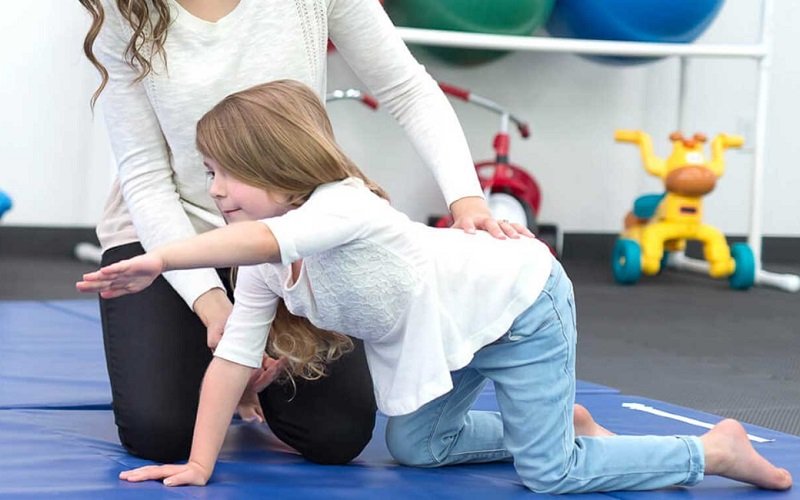
Pediatric rehabilitation is a specialized healthcare service that helps children recover or improve physical and functional abilities affected by congenital conditions, developmental disorders, neurological diseases, orthopedic injuries, or medical illnesses. The rehabilitation program combines therapeutic exercises, functional training, balance improvement, coordination activities, mobility training, and family education.
Who Can Benefit from Pediatric Rehabilitation?
Children with the following conditions may benefit from pediatric rehabilitation:
- Cerebral Palsy
- Developmental Delay
- Autism Spectrum Disorder
- Down Syndrome
- Muscular Dystrophy
- Spina Bifida
- Brachial Plexus Injury
- Traumatic Brain Injury
- Spinal Cord Injury
- Stroke in Children
- Neuromuscular Disorders
- Genetic Disorders
- Orthopedic Injuries
- Fractures
- Sports Injuries
- Post-Surgical Recovery
- Balance and Coordination Disorders
- Muscle Weakness
Early rehabilitation improves long-term physical and developmental outcomes.
Signs Your Child May Need Pediatric Rehabilitation
Parents should consult a rehabilitation specialist if their child experiences:
- Delayed milestones
- Difficulty walking
- Poor balance
- Muscle weakness
- Joint stiffness
- Difficulty standing
- Frequent falls
- Poor coordination
- Limited movement
- Difficulty using hands
- Abnormal posture
- Delayed motor skills
- Reduced endurance
- Difficulty participating in daily activities
- Recovery after injury or surgery
Early evaluation allows timely treatment and better functional improvement.
Conditions Treated Through Pediatric Rehabilitation
Dr. Shweta Chepurwar provides rehabilitation for a wide range of pediatric conditions, including:
- Cerebral Palsy Rehabilitation
- Developmental Delay Therapy
- Pediatric Neurological Rehabilitation
- Pediatric Orthopedic Rehabilitation
- Autism Supportive Rehabilitation
- Down Syndrome Rehabilitation
- Post-Fracture Rehabilitation
- Pediatric Sports Injury Rehabilitation
- Postoperative Rehabilitation
- Balance and Gait Disorders
- Muscle Weakness
- Coordination Disorders
- Congenital Musculoskeletal Conditions
Each child receives a personalized rehabilitation program based on individual needs and developmental goals.
Comprehensive Pediatric Rehabilitation Services
- evelopmental Therapy: Activities support age-appropriate motor, functional, and movement skills.
- Mobility Training: Walking practice and movement exercises improve safe mobility and independence.
- Balance and Coordination Training: Therapeutic exercises improve posture, body control, and coordination while reducing the risk of falls.
- Strengthening Exercises: Targeted exercises improve muscle strength, endurance, and functional movement.
- Functional Skill Training: Children practice activities such as standing, walking, climbing stairs, sitting, dressing, and participating in school and play.
- Post-Surgical Rehabilitation: Structured rehabilitation helps children recover safely after orthopedic or neurological surgery.
- Gait Training: Individualized gait training improves walking patterns and overall mobility.
- Parent and Caregiver Education: Families receive guidance on home exercises, positioning, mobility techniques, and daily care to continue progress outside the hospital.
Benefits of Pediatric Rehabilitation
A structured rehabilitation program offers numerous advantages.
These include:
- Improved motor development
- Better balance
- Increased muscle strength
- Enhanced flexibility
- Improved coordination
- Greater independence
- Better posture
- Increased confidence
- Faster recovery after injury or surgery
- Improved participation in school and play
- Enhanced quality of life
- Better long-term functional outcomes
Consequently, children gain greater independence and confidence while participating more actively in daily activities.
Personalized Rehabilitation Approach
Dr. Shweta Chepurwar believes every child develops differently. Therefore, treatment begins with a detailed assessment that includes:
- Medical history review
- Developmental assessment
- Physical examination
- Muscle strength evaluation
- Balance assessment
- Walking analysis
- Joint mobility assessment
- Functional ability assessment
- Posture evaluation
- Family consultation
Based on these findings, an individualized rehabilitation plan is created to support the child’s overall development.
Recovery and Home Care Tips
Parents play an important role in successful rehabilitation.
Helpful recommendations include:
- Encourage daily prescribed exercises.
- Create a consistent daily routine.
- Support active play and physical activity.
- Provide balanced nutrition.
- Ensure adequate sleep.
- Celebrate small achievements.
- Use assistive devices correctly if recommended.
- Attend all therapy sessions and follow-up visits.
- Maintain regular communication with the rehabilitation team.
Family participation reinforces therapy and promotes lasting progress.
Tips for Healthy Child Development
Healthy daily habits support physical and developmental growth.
- Encourage active play every day.
- Provide a nutritious, balanced diet.
- Maintain regular sleep routines.
- Limit excessive screen time.
- Promote outdoor activities.
- Schedule regular pediatric check-ups.
- Support age-appropriate learning and social interaction.
- Encourage good posture.
- Address developmental concerns early.
- Follow the rehabilitation plan consistently.
Healthy routines help children achieve their developmental milestones with confidence.