Dr. Sameer Chepurwar | Orthopedic & Joint Replacement Surgeon In Chandrapur
Advanced ACL Injury Treatment by Dr. Sameer Chepurwar at Shri Sai Gajanan Hospital
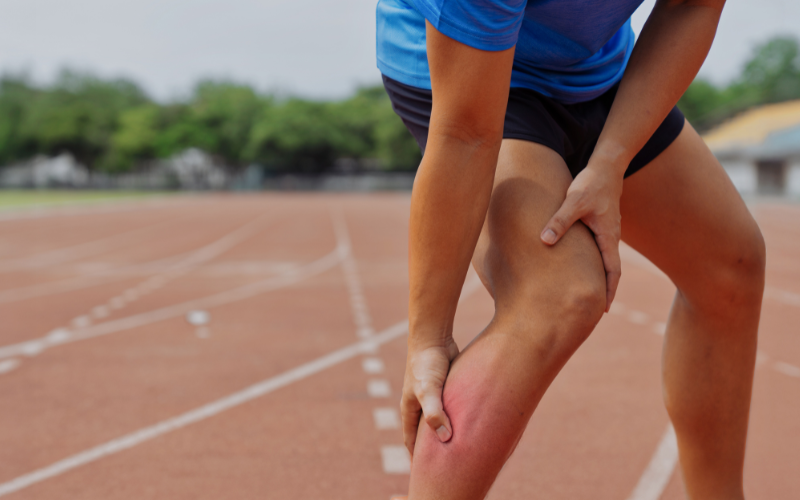
What is an ACL Injury?
The Anterior Cruciate Ligament (ACL) is one of the four major ligaments of the knee. It helps stabilize the joint and prevents the shin bone from sliding forward.
An ACL injury occurs when the ligament is:
- Sprained
- Partially torn
- Completely torn
Most ACL injuries happen during sports involving sudden stopping, pivoting, jumping, or awkward landings. However, road traffic accidents and falls can also cause ACL tears.
Early treatment helps restore knee stability and allows patients to return safely to daily activities and sports.
Common Causes of ACL Injury
Several situations can lead to an ACL tear.
Common causes include:
- Sudden twisting of the knee
- Sports injuries
- Football injuries
- Cricket injuries
- Badminton injuries
- Basketball injuries
- Volleyball injuries
- Gym-related injuries
- Skiing accidents
- Road traffic accidents
- Falls from height
- Direct impact to the knee
- Improper landing after jumping
Young athletes and physically active adults have a higher risk of ACL injuries.
Symptoms of an ACL Injury
Symptoms usually appear immediately after the injury.
Common signs include:
- Sudden severe knee pain
- A popping sound at the time of injury
- Rapid knee swelling
- Difficulty walking
- Knee instability
- Knee giving way
- Reduced range of motion
- Difficulty climbing stairs
- Pain while turning or twisting
- Inability to continue sports activities
Persistent instability often indicates a complete ACL tear and requires orthopedic evaluation.
Diagnosis of ACL Injury
Dr. Sameer Chepurwar performs a comprehensive knee assessment to determine the severity of the injury.
Diagnostic evaluation may include:
- Detailed medical history
- Physical examination
- Lachman Test
- Anterior Drawer Test
- Pivot Shift Test
- X-rays
- MRI Scan
- Assessment of meniscus injuries
- Evaluation of cartilage damage
An MRI provides detailed information about ligament tears and associated knee injuries, allowing accurate treatment planning.
ACL Injury Treatment Options
Treatment depends on the severity of the injury, patient age, occupation, and activity level.
Non-Surgical Treatment
Patients with minor ACL injuries or low physical demands may benefit from conservative management.
Treatment may include:
- Rest
- Ice therapy
- Compression
- Elevation (RICE)
- Pain-relieving medications
- Knee brace
- Physiotherapy
- Quadriceps strengthening exercises
- Hamstring strengthening
- Balance and stability training
Many patients recover well with structured rehabilitation.
Arthroscopic ACL Reconstruction Surgery
Patients with complete ACL tears, persistent instability, or high activity levels often require surgery.
Dr. Sameer Chepurwar performs Arthroscopic ACL Reconstruction, a minimally invasive procedure that replaces the torn ligament with a tendon graft.
The surgery involves:
- Small skin incisions
- High-definition arthroscope
- Precision ligament reconstruction
- Minimal tissue damage
- Faster rehabilitation
Arthroscopic surgery has become the gold standard for ACL reconstruction.
Benefits of Arthroscopic ACL Reconstruction
Compared to traditional open surgery, arthroscopic ACL reconstruction offers several advantages.
These include:
- Smaller incisions
- Less postoperative pain
- Minimal blood loss
- Lower infection risk
- Better cosmetic results
- Faster recovery
- Improved knee stability
- Early rehabilitation
- Quicker return to sports
- Reduced hospital stay
Most patients experience excellent functional outcomes after appropriate rehabilitation.
Rehabilitation After ACL Surgery
Rehabilitation plays a crucial role in successful recovery.
The recovery program generally includes:
Phase 1
- Pain control
- Swelling reduction
- Gentle knee movement
- Walking with support
Phase 2
- Muscle strengthening
- Range-of-motion exercises
- Balance training
Phase 3
- Advanced strengthening
- Functional exercises
- Sport-specific rehabilitation
Phase 4
- Running program
- Agility drills
- Return-to-sport assessment
Following the rehabilitation protocol significantly improves long-term results.
Recovery Timeline
Recovery varies among individuals.
Typical recovery includes:
- Walking with support: 1–2 weeks
- Daily activities: 4–6 weeks
- Light exercise: 2–3 months
- Running: 4–6 months
- Return to sports: 8–12 months
Dr. Sameer Chepurwar closely monitors recovery to ensure safe progression at every stage.
Possible Complications if Left Untreated
Ignoring an ACL injury may lead to:
- Chronic knee instability
- Repeated knee giving way
- Meniscus tears
- Cartilage damage
- Early osteoarthritis
- Reduced sports performance
- Difficulty climbing stairs
- Chronic knee pain
- Permanent loss of knee function
Timely treatment greatly reduces these risks.
Tips to Prevent ACL Injuries
Although not all ACL injuries are preventable, these measures can reduce your risk:
- Warm up before exercise.
- Strengthen your thigh and core muscles.
- Practice proper landing techniques.
- Improve balance and flexibility.
- Wear appropriate sports footwear.
- Increase training intensity gradually.
- Avoid overtraining.
- Follow sport-specific conditioning programs.
- Maintain a healthy body weight.