Dr. Sameer Chepurwar | Orthopedic & Joint Replacement Surgeon In Chandrapur
Expert Fracture & Trauma Care by Dr. Sameer Chepurwar at Shri Sai Gajanan Hospital
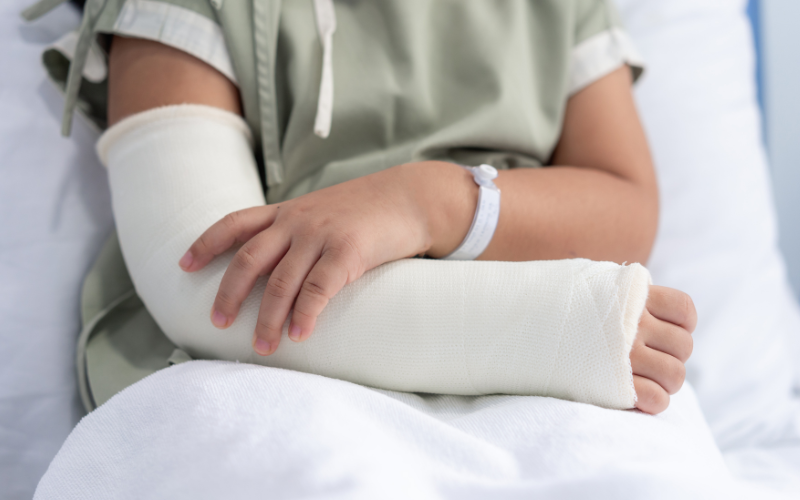
What is Fracture & Trauma Care?
Conditions Treated
Dr. Sameer Chepurwar provides expert treatment for a wide range of orthopedic injuries, including:
- Bone Fractures
- Complex Trauma Injuries
- Road Traffic Accident Injuries
- Sports Injuries
- Hip Fractures
- Wrist Fractures
- Shoulder Fractures
- Elbow Fractures
- Hand Fractures
- Femur Fractures
- Tibia and Fibula Fractures
- Ankle Fractures
- Pelvic Fractures
- Clavicle Fractures
- Finger and Toe Fractures
- Open (Compound) Fractures
- Closed Fractures
- Joint Dislocations
- Ligament Injuries
- Tendon Injuries
- Soft Tissue Trauma
Every patient receives a customized treatment plan based on the severity of the injury, age, lifestyle, and overall health.
Common Symptoms of Fractures and Trauma
Patients with fractures or traumatic injuries may experience:
- Severe pain
- Swelling
- Bruising
- Deformity of the affected limb
- Difficulty walking
- Inability to move the injured area
- Bone tenderness
- Joint instability
- Bleeding in open fractures
- Numbness or tingling
- Reduced range of motion
- Muscle weakness
If you suspect a fracture after an accident or fall, seek emergency orthopedic care immediately.
Common Causes of Fractures
Fractures and orthopedic trauma commonly occur due to:
- Road traffic accidents
- Falls from height
- Sports injuries
- Workplace accidents
- Osteoporosis
- Direct impact injuries
- Twisting injuries
- Industrial accidents
- Domestic falls in elderly individuals
- High-impact trauma
Furthermore, older adults with osteoporosis have a higher risk of fractures even after minor falls.
Types of Fractures
Dr. Sameer Chepurwar treats all major fracture types, including:
Simple Fracture
A clean break without skin injury.
Compound (Open) Fracture
The broken bone pierces the skin and requires emergency surgical treatment.
Comminuted Fracture
The bone breaks into multiple pieces.
Greenstick Fracture
A partial fracture commonly seen in children.
Stress Fracture
A small crack caused by repetitive stress or overuse.
Pathological Fracture
A fracture caused by weakened bones due to diseases such as osteoporosis or tumors.
Intra-Articular Fracture
A fracture involving the joint surface that requires precise treatment to restore joint function.
Diagnosis of Fractures and Trauma
Dr. Sameer Chepurwar performs a comprehensive orthopedic evaluation before planning treatment.
Diagnostic investigations may include:
- Detailed medical history
- Physical examination
- Digital X-rays
- CT Scan
- MRI Scan
- Bone Density Test (when indicated)
- Blood investigations
- Neurovascular assessment
- Joint stability evaluation
These investigations help determine the exact nature of the injury and guide appropriate treatment.
Fracture & Trauma Care Treatment Options
Treatment depends on the type, location, and severity of the fracture.
Emergency Trauma Care
Patients receive immediate stabilization, pain management, wound care, and fracture assessment to prevent further complications.
Non-Surgical Treatment
Many fractures heal successfully with conservative care.
Treatment may include:
- Plaster Cast
- Splints
- Braces
- Sling Immobilization
- Pain Management
- Regular X-ray Monitoring
Surgical Fracture Fixation
Complex fractures may require surgery using modern orthopedic implants.
Procedures include:
- Plate and Screw Fixation
- Intramedullary Nailing
- External Fixation
- Locking Compression Plates
- Cannulated Screw Fixation
- Wire Fixation
- Minimally Invasive Fracture Surgery
These techniques provide stable fixation and promote early mobilization.
Joint Dislocation Management
Prompt reduction and stabilization help restore joint alignment and function.
Rehabilitation and Physiotherapy
After fracture healing, rehabilitation focuses on:
- Improving joint mobility
- Strengthening muscles
- Restoring flexibility
- Improving balance
- Returning to sports and daily activities
Comprehensive rehabilitation ensures optimal recovery.
Benefits of Early Fracture Treatment
Seeking treatment immediately offers several advantages.
These include:
- Faster bone healing
- Reduced pain
- Proper bone alignment
- Lower risk of infection
- Prevention of deformity
- Early return to work
- Better joint function
- Improved mobility
- Reduced long-term disability
Consequently, prompt orthopedic care leads to better outcomes.
Recovery After Fracture Treatment
Recovery depends on the fracture type and overall health.
Patients are advised to:
- Follow weight-bearing instructions carefully.
- Attend regular follow-up appointments.
- Complete physiotherapy sessions.
- Eat calcium-rich and protein-rich foods.
- Take prescribed medications.
- Avoid smoking and alcohol.
- Perform rehabilitation exercises consistently.
- Protect the injured limb during healing.
These measures help promote strong bone healing and functional recovery.
Tips to Prevent Fractures
Although accidents cannot always be prevented, these measures reduce the risk of fractures.
- Wear helmets and seat belts while traveling.
- Use protective sports equipment.
- Maintain strong bones with calcium and vitamin D.
- Exercise regularly.
- Prevent falls at home.
- Wear supportive footwear.
- Avoid smoking.
- Maintain a healthy body weight.
- Treat osteoporosis early.
- Follow workplace safety guidelines.